Omi Beef Sukiyaki: A Complete Guide to Shiga Prefecture’s Signature Hometown Dish | History, Characteristics, and Famous Restaurants
Omi beef sukiyaki, known nationwide as a hometown dish representative of Shiga Prefecture, is one of Japan’s three major brand wagyu beef. This exquisite dish, a fusion of Omi beef—one of Japan’s three great wagyu varieties—and sukiyaki, a traditional Japanese hot pot dish, is a gastronomic experience not to be missed when visiting Shiga Prefecture. This article provides a comprehensive explanation from every angle: the historical background of Omi beef sukiyaki, its characteristics, delicious ways to enjoy it, and information about famous restaurants throughout Shiga Prefecture.
What is Omi Beef? | The History of Japan’s Oldest Brand Wagyu
The Origins and 400-Year History of Omi Beef
Omi beef is a black-haired wagyu that has been raised the longest within Shiga Prefecture, with a history dating back approximately 400 years. During the Edo period, the Hikone Domain raised cattle for agricultural work, and their meat was preserved in miso as a “health tonic” and presented as tribute to the shogun’s household and daimyo of other domains. This is said to be the beginning of Omi beef.
With the Meiji Restoration and the opening of Japan to the world, beef consumption became permitted, and Omi beef began circulating in earnest as food cattle. In particular, during the early Meiji period, beef merchants from Shiga Prefecture expanded into Tokyo and Yokohama, actively selling Omi beef, which spread its name throughout the country.
Why Omi Beef is Called One of Japan’s Three Great Wagyu
Omi beef is counted as one of Japan’s three great wagyu alongside Matsusaka beef and Kobe beef. The reason lies in its fine marbling and the low melting point of the fat, which results in a pleasant mouthfeel. The abundant natural environment of Shiga Prefecture, the clean water blessed by Lake Biwa, and the skills of experienced fattening farmers create Omi beef’s superior meat quality.
The characteristics of Omi beef lie in the quality of its fat. With a high content of unsaturated fatty acids and a low melting point, the fat melts instantly upon entering the mouth, creating a unique texture. This property is perfectly suited to sukiyaki, and when combined with sweet and savory sauce, the flavor is exceptional.
The Deep Connection Between Sukiyaki and Shiga Prefecture
How Omi Beef Sukiyaki Became a Hometown Dish
The establishment of Omi beef sukiyaki as a hometown dish in Shiga Prefecture has historical roots. In 1883 (Meiji 16), Shojiro Nishii, a native of Shiga Prefecture, opened “Matsukiya” in the Ginza district of Tokyo, achieving great success as a specialty restaurant for Omi beef sukiyaki. This became known as the “origin of Omi beef sukiyaki restaurants,” and the shop became so famous that it was said, “When it comes to sukiyaki, it’s Matsukiya.”
This success made the combination of Omi beef and sukiyaki known nationwide, and many sukiyaki restaurants opened in Shiga Prefecture. In the early Showa period, the honor of supplying Omi beef to the Imperial Household was granted, recognized as a luxury by the imperial court, and Omi beef sukiyaki became recognized as the highest-class cuisine.
Shiga Prefecture’s Unique Sukiyaki Culture: “Junjun”
In Shiga Prefecture, particularly in the Kohoku region, there is a hometown dish called “junjun.” This is a hot pot dish with sukiyaki-style seasoning, and the name is said to come from the “junjun” sound made when simmering the ingredients.
Junjun uses not only Omi beef but also fish and chicken, and is a homestyle dish, but the traditional seasoning of only sugar and soy sauce passed down through generations is a cooking method that maximizes the original taste of the meat. This cooking method has influenced contemporary Omi beef sukiyaki, creating Shiga Prefecture’s unique sukiyaki culture that produces a simple yet deep flavor.
Characteristics and Appeal of Omi Beef Sukiyaki
Meat Quality Characteristics | Fine Marbling and Mouthfeel
Omi beef sukiyaki typically uses cuts such as rib loin or sirloin with beautiful marbling. Omi beef fat has a melting point of approximately 25°C and melts even at body temperature. This property allows the fat to melt the moment it enters the mouth, with the meat’s umami spreading throughout the palate—an unique texture experience.
Fine marbling results from careful long-term fattening. Shiga Prefecture’s fattening farmers meticulously manage the cattle’s health and raise them in stress-free environments to achieve tender, high-quality meat. When made into sukiyaki, the marbled fat intertwines with the sweet and savory sauce, creating a sublime flavor.
Compatibility with Shiga Prefecture’s Local Ingredients
Various Shiga Prefecture ingredients are used in Omi beef sukiyaki. Two particularly noteworthy items are “red konjac” and “choji fu (clove-shaped wheat gluten).”
Red konjac is a specialty of Omi Hachiman City in Shiga Prefecture—konjac colored red with iron oxide. With more texture than regular konjac, it has been used as a sukiyaki ingredient since ancient times. Beyond adding color to the dish, it also has the effect of making Omi beef’s fat less heavy.
Choji fu is a traditional Omi wheat gluten shaped like a clove (choji). It absorbs sukiyaki sauce well and offers a fluffy texture with sweet and savory flavor. It pairs exceptionally well with Omi beef and is an essential ingredient in Shiga Prefecture’s sukiyaki.
Other Shiga Prefecture ingredients such as white negi (Japanese leek), spring chrysanthemum, and tofu are also used, complementing Omi beef’s umami while creating a well-balanced flavor.
Differences Between Kansai-Style and Kanto-Style
Omi beef sukiyaki is often served using the Kansai-style method, though some restaurants offer Kanto-style as well.
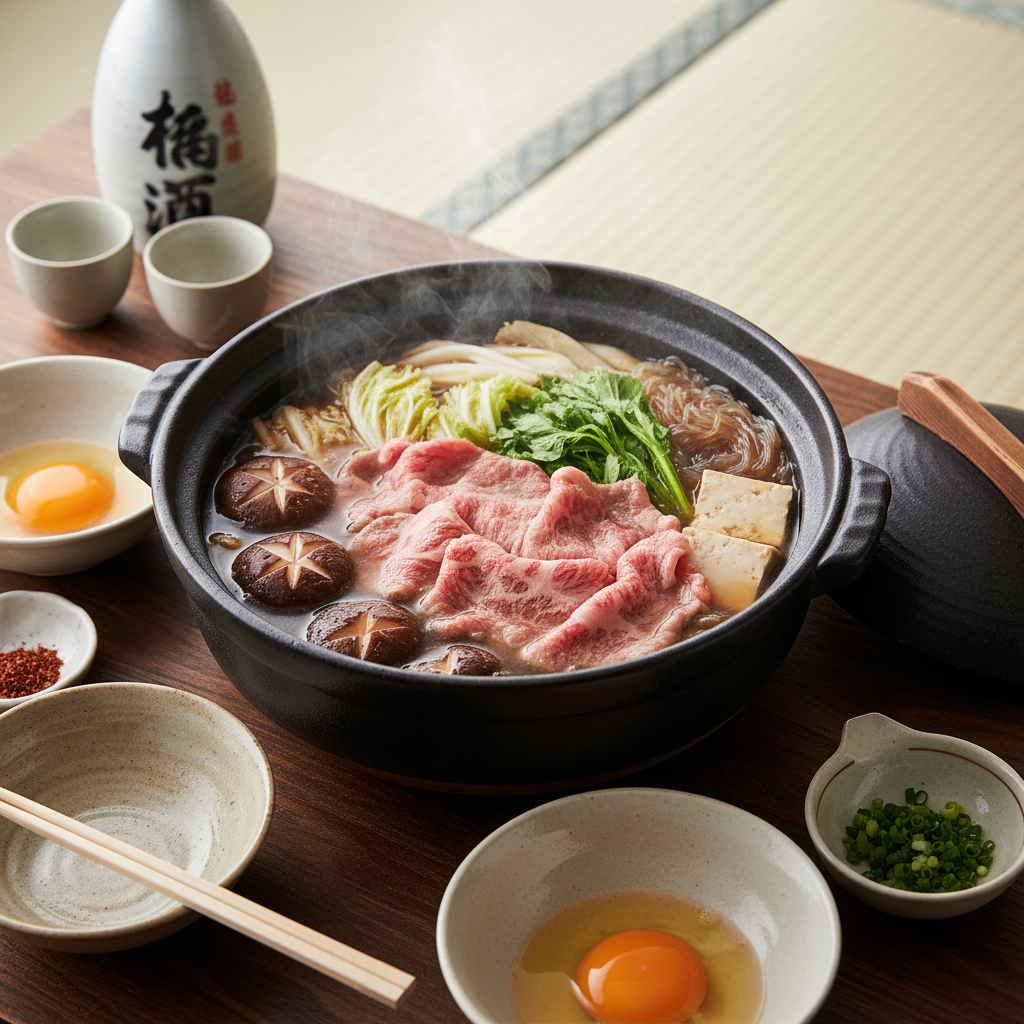
Kansai-style sukiyaki involves rubbing beef fat on a heated pot, directly grilling the meat, then seasoning with sugar and soy sauce. Characterized by the fragrance of grilled meat and direct seasoning, it allows full appreciation of the meat’s natural taste. Shiga Prefecture’s traditional “junjun” is close to this cooking method.
Kanto-style sukiyaki involves first adding warishita (a mixture of sugar, soy sauce, mirin, broth, etc.) to the pot, then adding meat and vegetables to simmer. Characterized by uniform flavor and meat that becomes tender through simmering, it offers a different experience.
Many longstanding Shiga Prefecture restaurants allow patrons to experience both cooking methods, enjoying different ways to appreciate Omi beef.
Delicious Ways to Enjoy Omi Beef Sukiyaki
Basic Cooking Steps
Here are the basic cooking steps for Kansai-style Omi beef sukiyaki.
- Heat the pot thoroughly: Heat the sukiyaki pot (iron pot) over medium heat until very hot.
- Apply beef fat: Apply beef fat to the pot, distributing it evenly throughout. Using Omi beef fat increases the flavor.
- Grill the meat: Arrange Omi beef sukiyaki-cut meat in the pot and lightly grill one side. Simply achieving a seared surface is sufficient.
- Season with sugar and soy sauce: Sprinkle sugar over the meat and pour soy sauce. Lightly mix so the dissolved sugar coats the meat.
- Eat dipped in raw egg: Dip the grilled meat in raw egg. The egg cools the meat and creates a mellow flavor.
- Add vegetables and other ingredients: After finishing the meat, add ingredients such as white negi, spring chrysanthemum, tofu, red konjac, and choji fu and simmer.
- Enjoy the finale: Finally, simmer udon or mochi in the remaining sauce—a distinctive Shiga Prefecture way to finish.
Tips for Bringing Out the Best Flavor
Here are some tips for enjoying Omi beef sukiyaki at its finest.
Don’t overcook the meat: To enjoy the tenderness and mouthfeel characteristic of Omi beef, it’s important not to overcook. A light sear is ideal, with the interior remaining rare to medium-rare.
Balance of sugar and soy sauce: The sweet and savory sauce balance varies by preference, but to highlight Omi beef’s fat sweetness, use sugar sparingly. The salt from soy sauce accentuates the meat’s umami.
Use fresh raw egg: Raw egg not only cools the meat but also mellows the sauce flavor. Using fresh eggs creates a richer taste. Using Shiga Prefecture’s local eggs makes the experience even more luxurious.
Order of consumption: First savor the meat alone to appreciate Omi beef’s pure taste. Then adding vegetables and other ingredients allows you to enjoy the flavor changes.
Compatibility with Shiga Prefecture Sake
Omi beef sukiyaki pairs exceptionally well with Shiga Prefecture sake. Shiga is known as a “sake region,” producing numerous sake brands using Lake Biwa’s spring water.
Particularly recommended are brands such as “Shichihonjari,” “Matsunoji,” and “Fuuroisen.” These sake harmonize with Omi beef’s fat sweetness and refresh the palate. They pair well with sukiyaki’s sweet and savory sauce, making the meal even more enjoyable.
Also recommended is switching to a slightly drier sake during sukiyaki’s latter half when vegetables are simmered and the sauce becomes concentrated. Selecting sake that matches the changing flavors allows you to enjoy the meal without tiring through to the end.
Guide to Famous Omi Beef Sukiyaki Restaurants in Shiga Prefecture
Longstanding Restaurants in Higashi-Omi City
Sukiyaki Nishimura (Higashi-Omi City)
A longstanding sukiyaki restaurant founded in 1962. Located in Higashi-Omi City and beloved by locals, this renowned establishment offers Omi beef sukiyaki as well as shabu-shabu and steak at reasonable prices where guests can enjoy authentic Omi beef cuisine. The restaurant features private rooms, making it suitable for families and business meetings.
The calm atmosphere inside allows patrons to enjoy their meal at leisure. From Omi beef procurement to cooking, the restaurant is meticulous in every detail, ensuring the highest quality presentation.
Historic Sukiyaki Restaurant in Otsu City
Omi Beef Matsukiya (Otsu City)
Founded in 1883, this is a historic establishment known as the originator of Omi beef sukiyaki restaurants. Continuing the legacy of the “Matsukiya” opened by founder Shojiro Nishii in Ginza, it currently operates in Otsu City, Shiga Prefecture. As a purveyor to the Imperial Household, this venerable restaurant supplied Omi beef to the Imperial Family from the Meiji through Showa periods.
Matsukiya offers special experience programs where guests can learn about Omi beef and Matsukiya’s history while receiving instruction in both Kansai-style and Kanto-style sukiyaki preparation. This program, which includes lunch, is recommended for those wishing to deeply understand Omi beef and sukiyaki history.
Additionally, Matsukiya operates mail order sales, allowing guests to enjoy authentic Omi beef sukiyaki at home. Premium marbled sukiyaki meat is carefully simmered one slice at a time, and comes with Shiga’s signature choji fu.
Butcher Restaurants in Omi-Hachiman City
Omi-Hachiman City has several restaurants operated directly by longstanding butchers. These establishments use specially selected premium Omi beef evaluated by Omi meat specialists, with meat quality guaranteed.
The advantage of butcher-operated restaurants is serving the day’s finest meat in optimal condition. Beyond sukiyaki, guests can enjoy Omi beef through various methods including shabu-shabu and steak. Also, diners can purchase their preferred meat to take home, making these particularly recommended for those wishing to enjoy Omi beef at home.
“Junjun” Specialty Restaurants in the Kohoku Region
Omi Beef Kanekichi
A restaurant featuring the Kohoku region’s hometown dish “junjun” as its signature menu. Junjun is a sukiyaki-style hot pot where Omi beef’s inherent taste is fully appreciated through traditional seasoning with only sugar and soy sauce.
Kanekichi emphasizes local ingredients, using Shiga Prefecture vegetables and tofu. The simple yet deeply flavored junjun offers a valuable opportunity to experience Shiga Prefecture’s homestyle cooking.
Enjoying Omi Beef Sukiyaki at Home
Omi Beef Sukiyaki Sets Available by Mail Order
Those unable to visit Shiga Prefecture can enjoy authentic Omi beef sukiyaki at home using mail order. Many longstanding restaurants and butchers offer products packaged with sukiyaki meat and sauce, plus Shiga Prefecture ingredients.
Particularly recommended are products like “Premium Omi Beef Sukiyaki (with Shiga’s signature choji fu),” packaging Omi beef’s marbled sukiyaki meat with choji fu. Some products feature top-grade Omi beef carefully simmered one slice at a time, requiring only heating for authentic flavor.
When purchasing, check the meat cut, marbling degree, and set contents to select products matching your preference. These also make excellent gifts for year-end and mid-year presents and congratulatory gifts.
Cooking Tips for Home Preparation
Here are tips for preparing Omi beef sukiyaki at home.
Pot selection: Sukiyaki is best made in an iron pot with good heat conductivity. If unavailable, a heavy-bottomed frying pan can substitute.
Handling the meat: Bring refrigerated meat to room temperature about 30 minutes before cooking for uniform cooking. Arrange meat without overlapping for even grilling.
Adjusting heat: Home stovetop heat can be too strong. Cook over medium to low heat, being careful not to burn the meat.
Making the sauce: For Kanto-style warishita, a basic ratio is soy sauce:mirin:sugar:broth = 4:2:1:3, adjustable to preference.
Food preparation: Prepare ingredients by cutting white negi diagonally, cutting spring chrysanthemum to manageable lengths, and draining tofu. Thorough preparation ensures smooth cooking.
Omi Beef Sukiyaki and Shiga Prefecture’s Food Culture
Relationship with Other Shiga Prefecture Hometown Dishes
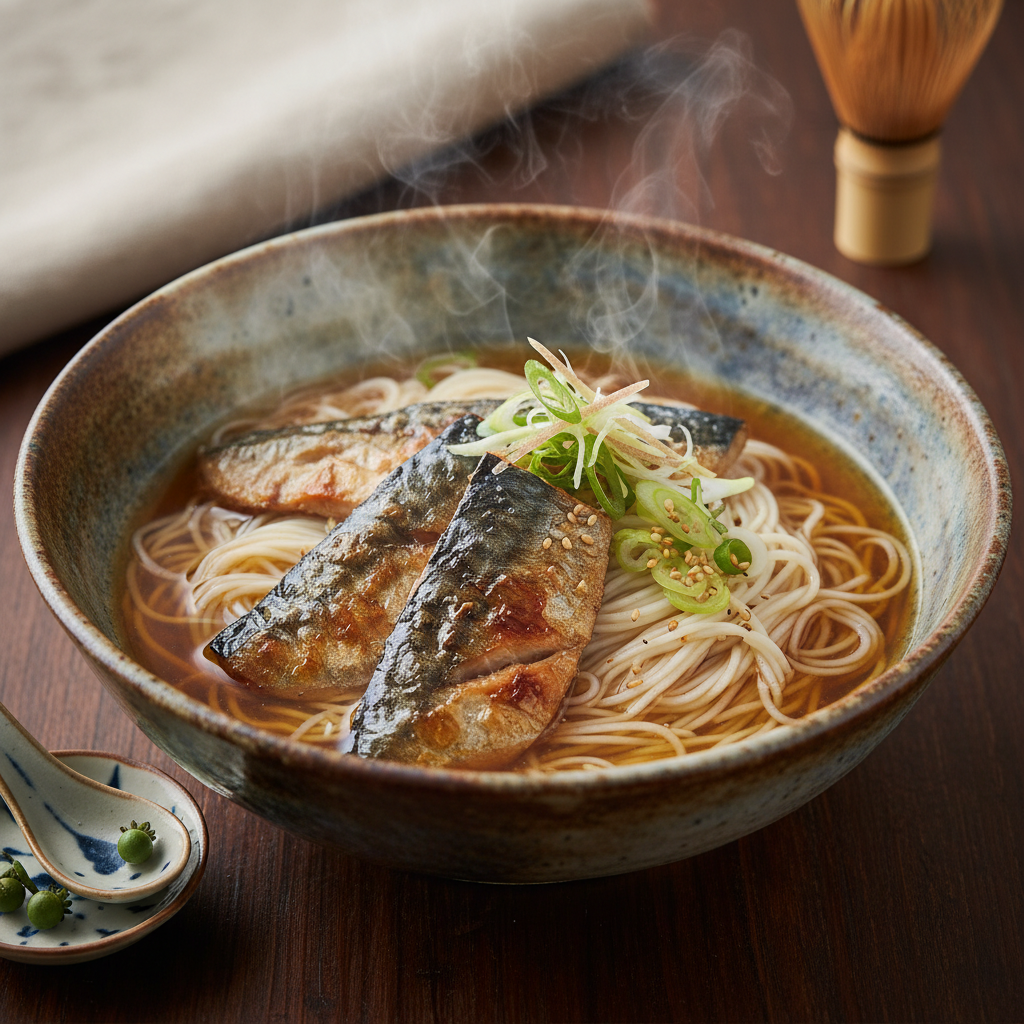
Beyond Omi beef sukiyaki, Shiga Prefecture has many hometown dishes. “Funazushi,” made with Lake Biwa fish, is known as Japan’s oldest fermented sushi. “Saba soumen,” using mackerel from Wakasa Bay, is a northern Shiga Prefecture hometown dish.
“Omi beef miso-pickled” is a traditional dish continuing from the Edo period. Fatty Omi beef pickled in miso and grilled offers a different flavor from sukiyaki.
These hometown dishes represent part of Shiga Prefecture’s rich food culture nurtured by its abundant natural environment and history, with Omi beef sukiyaki playing an important role.
Impact of Omi Beef Sukiyaki on the Region
Omi beef sukiyaki plays an important role in Shiga Prefecture’s tourism industry. Many tourists visit Shiga Prefecture specifically for Omi beef sukiyaki, significantly contributing to the regional economy.
Additionally, numerous industries—Omi beef fattening farmers, butchers, restaurants, and accommodations—depend on Omi beef, creating regional employment. Maintaining and enhancing Omi beef’s brand value is crucial to Shiga Prefecture’s overall development.
Recently, Omi beef’s overseas exports have progressed, receiving high international evaluation. Omi beef sukiyaki also plays an important role in presenting Japanese food culture to the world.
Precautions When Enjoying Omi Beef Sukiyaki
Importance of Reservations
Popular sukiyaki restaurants in Shiga Prefecture, especially on weekends and during tourist seasons, require reservations. At longstanding and famous restaurants, reservations often fill weeks in advance. To ensure enjoying your meal, advance reservations are recommended.
When reserving, provide information about party size, preferred time, private room preference, and budget, allowing the restaurant to propose appropriate plans. Also mention any allergies or disliked ingredients in advance for smooth preparation.
Price Range and Budget Guidelines
Omi beef sukiyaki pricing varies significantly based on the meat cut and grade used, and the restaurant’s establishment level.
Lunch: Approximately 3,000–8,000 yen
Dinner: Approximately 8,000–20,000 yen
Special courses: 20,000 yen and above
Longstanding and upscale restaurants use premium Omi beef, with higher prices reflecting superior meat quality, atmosphere, and service. Meanwhile, locally-beloved restaurants offer authentic Omi beef sukiyaki at relatively reasonable prices.
Select restaurants matching your budget, reserving lavish experiences for special occasions with premium Omi beef.
Dress Code and Etiquette
When enjoying Omi beef sukiyaki, pay attention to your clothing. Since sukiyaki involves smoke and splattering oil, wear clothes you don’t mind soiling or bring a change.
Upscale restaurants may have dress codes. Confirm in advance and dress appropriately.
Etiquette includes not overcooking meat, taking appropriate portions while considering others, and listening carefully to staff explanations. Particularly at longstanding restaurants, unique cooking methods and eating styles may exist, so following staff instructions is important.
Conclusion | Experience Shiga Prefecture’s Food Culture Through Omi Beef Sukiyaki
Omi beef sukiyaki, a fusion of Japan’s oldest brand wagyu with a 400-year history and a traditional Japanese hot pot dish, represents Shiga Prefecture’s signature hometown cuisine. Omi beef, characterized by fine marbling and pleasant mouthfeel, achieves its finest flavor through sukiyaki preparation.
Throughout Shiga Prefecture exist diverse sukiyaki restaurants, from longstanding establishments continuing since Meiji times to locally-beloved homestyle restaurants. Each maintains unique commitments, serving the finest Omi beef sukiyaki.
When visiting Shiga Prefecture, be sure to savor Omi beef sukiyaki. Its history, tradition, and exceptional flavor create an unforgettable dining experience. Additionally, mail order allows enjoying authentic Omi beef sukiyaki at home.
Through Omi beef sukiyaki, experience Shiga Prefecture’s rich food culture and history, and savor the depth of Japanese cuisine.