Miso Nikomi Udon: Aichi Prefecture’s Local Cuisine | Complete Guide to History, Preparation, and Top Restaurants
What is Miso Nikomi Udon?
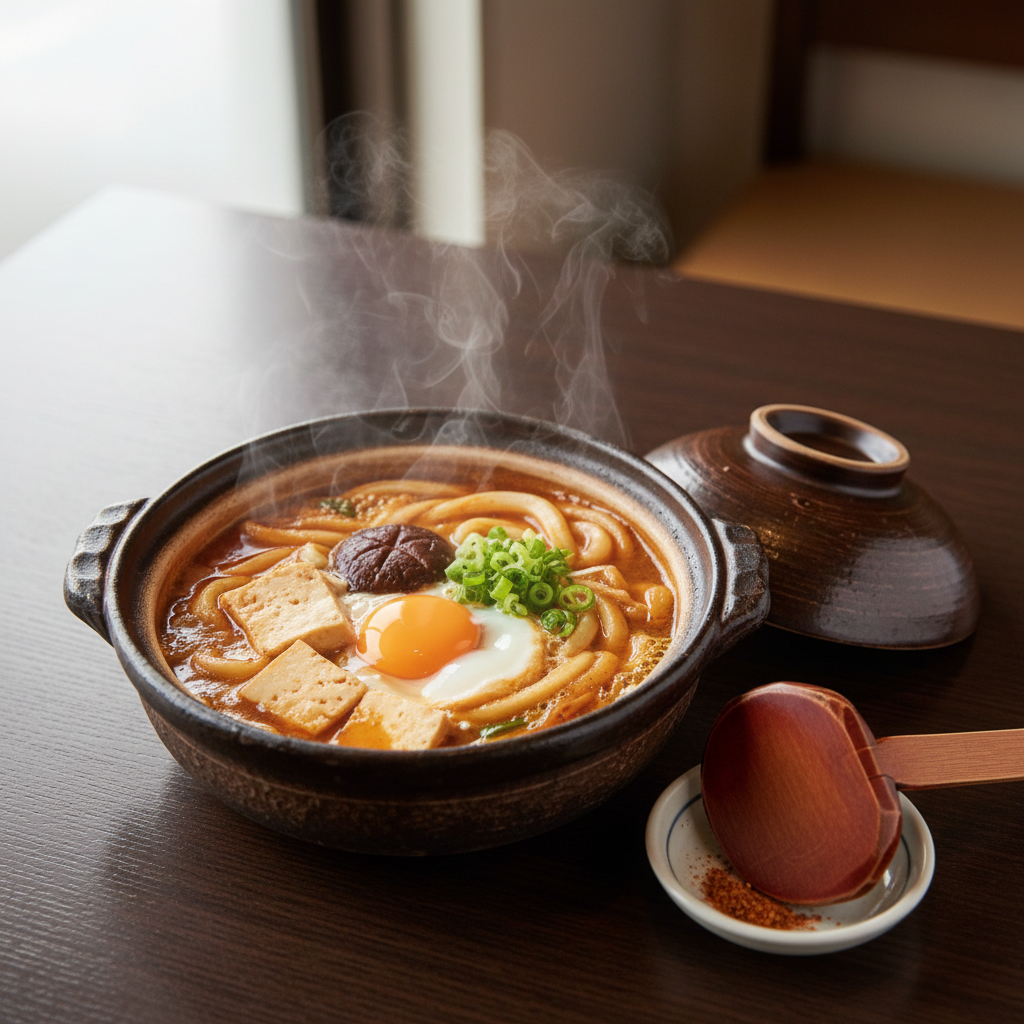
Miso nikomi udon (味噌煮込みうどん) is one of Aichi Prefecture’s representative local dishes, and alongside “kishimen,” it is known as a flagship Nagoya meshi (Nagoya cuisine). It is a noodle dish made by simmering firm fresh udon noodles in a rich broth made with hacho miso in a clay pot.
The greatest characteristic of this dish lies in the firm udon noodles made without salt and the rich, deep umami flavor unique to soy bean miso. Unlike ordinary udon, the noodles are simmered fresh without being boiled first, allowing for a unique texture and the distinctive flavor of miso infused into the noodles.
In Aichi Prefecture, it is enjoyed as a home-cooked meal, and during cold winter months, it is a standard dish made in many households to warm the body from within. Additionally, there are numerous specialty shops in Nagoya City, making it a popular local delicacy among tourists.
History and Origins of Miso Nikomi Udon
Lineage from the Sengoku Period
While there are various theories about the origins of miso nikomi udon, the most widely accepted theory traces back to the Sengoku period. It is believed that the dish was born from a fusion of “houtou,” a local specialty from Yamanashi Prefecture, and “hacho miso,” a specialty product of Aichi Prefecture.
It is thought that simmered noodle dishes eaten by samurai warlords as field rations developed through their connection with Aichi Prefecture’s miso culture. In particular, this region had a long tradition of soy bean miso production, and simmered dishes using miso were made regularly in daily life.
Development from the Meiji Period to Modern Times
From the Meiji period onward, miso nikomi udon began to be served not only in home kitchens but also in restaurants. Records indicate that specialty shops dedicated to miso nikomi udon began appearing in Nagoya City around 1907 (Meiji 40).
From the Taisho period through the early Showa period, specialty shops increased in the entertainment districts of Nagoya, and the dish became firmly established as a representative regional cuisine. Many long-established shops still operating today, such as “Yamamoto-ya Sohonke” founded in 1925, were established during this period.
During the postwar period of rapid economic growth, miso nikomi udon became known nationwide as one of the Nagoya meshi dishes and gained popularity as a local specialty for tourists.
Characteristics of Miso Nikomi Udon
Rich Flavor of Hacho Miso
The greatest characteristic of miso nikomi udon is the use of hacho miso, made in the Hachojo district (now Hachitsubo Town) of Okazaki City in Aichi Prefecture. Hacho miso is a type of soy bean miso made from only soybeans and salt, and through long-term aging develops a rich, deep umami and distinctive astringency.
The broth made with hacho miso is far richer than ordinary miso soup, with a viscosity that clings to the noodles. The umami components unique to soy bean miso are concentrated, leaving a strong lasting impression that one won’t forget after tasting it once.
Unique Noodle Texture
The noodles used in miso nikomi udon differ significantly from ordinary udon noodles. Made with only wheat flour and water without the use of salt, they are extremely firm with strong elasticity.
Because these noodles are simmered fresh without being boiled first, they have a unique texture with a firm center remaining compared to ordinary udon. Some people may feel the noodles are “firm in the center” or “hard,” but this is precisely the traditional style of miso nikomi udon. Even with extended simmering time, the noodles don’t become overcooked and maintain their texture until the very end.
Cooking Method in Clay Pots
Miso nikomi udon is traditionally cooked and served in a clay pot. Using a clay pot allows heat to transfer slowly and evenly, cooking the noodles and ingredients thoroughly.
Additionally, clay pots have excellent heat retention, keeping the dish piping hot until finished. Since it is served while actively simmering, care must be taken when eating, but this piping hot state is what makes miso nikomi udon truly special.
Combination of Ingredients
Common ingredients in miso nikomi udon include chicken, egg, green onion, shiitake mushroom, fried tofu, and fish cake. In particular, dropping a raw egg and eating it in a half-cooked state is the standard style.
Chicken adds umami to the broth, while the egg mellows out the intense miso flavor. Fried tofu absorbs the miso taste, and shiitake mushroom provides aromatic and textural accents. These ingredients harmonize with the miso’s richness, creating a complex and deep flavor.
Primary Transmission Regions
Miso nikomi udon is eaten throughout Aichi Prefecture, but the Owari region centered on Nagoya City is the primary transmission area. Numerous specialty shops in Nagoya City each preserve their own unique flavors and styles.
Okazaki City is known as the production area of hacho miso and is an important region supporting the culture of miso nikomi udon. Additionally, in other cities throughout Aichi Prefecture such as Ichinomiya, Toyota, and Kasugai, locally rooted miso nikomi udon culture is being inherited.
In recent years, shops offering miso nikomi udon have increased outside Aichi Prefecture as well, but many tourists still visit Nagoya seeking the authentic taste, and it plays an important role as a regional food culture.
How to Make Miso Nikomi Udon
Ingredients (Serves 2)
Noodles
- Fresh miso nikomi udon noodles: 2 portions (approximately 200g)
Broth
- Water: 600ml
- Bonito flakes: 15g
- Kombu seaweed: one 5cm piece
Miso Broth
- Hacho miso (soy bean miso): 3-4 tablespoons (approximately 60g)
- Mirin: 1 tablespoon
- Sugar: 1 teaspoon (to taste)
Ingredients
- Chicken thigh: 100g
- Eggs: 2
- Japanese leek: 1 piece
- Shiitake mushroom: 2 pieces
- Fried tofu: 1 piece
- Fish cake: 4 slices
- Spinach: as desired
Basic Preparation Method
1. Preparing the Broth
Place water and kombu seaweed in a pot and let sit for about 30 minutes, then heat over medium heat. Just before boiling, remove the kombu, add bonito flakes, and simmer for 2-3 minutes. Turn off the heat and wait for the bonito flakes to settle, then strain through a sieve to make the broth.
2. Preparing the Ingredients
Cut the chicken thigh into bite-sized pieces, diagonally slice the leek, and thinly slice the shiitake mushroom after removing the stem. Pour boiling water over the fried tofu to remove excess oil, then cut into strips. If using spinach, blanch it and cut into 3-4cm lengths.
3. Cooking the Miso Broth
Pour the broth into a clay pot and heat over medium heat. Add the chicken and simmer until cooked through. Once the chicken is done, dissolve the hacho miso in the broth gradually while adding it. Add the miso little by little while dissolving for even mixing.
Add mirin and sugar to adjust the flavor. Since hacho miso is rich, adjust the amount while tasting.
4. Simmering the Udon and Ingredients
Once the miso broth comes to a boil, add the fresh udon noodles as is. Loosen the noodles while simmering over medium heat for 8-10 minutes. Check occasionally to adjust cooking time so the noodles don’t become overcooked.
Once the noodles are partially cooked, add the shiitake mushroom, fried tofu, fish cake, and leek. Once the ingredients are cooked through, crack an egg into the center.
5. Finishing
Simmer for 2-3 minutes until the egg reaches a half-cooked state. The key point is to turn off the heat before the egg yolk is completely set. If using spinach, add it at the end and warm lightly.
Serve the dish in the clay pot at the table while piping hot.
Tips and Pointers for Cooking
Adjusting Noodle Firmness
The noodles in miso nikomi udon are characterized by a firm center, but simmering time can be adjusted according to preference. For a softer texture, extend the simmering time to 12-15 minutes.
Choosing Miso
Hacho miso is optimal for authentic flavor, but red miso or soy bean miso can be used as substitutes if hacho miso is unavailable. However, the rich umami and deep flavor unique to hacho miso cannot be completely replicated with other miso varieties.
Heat Control
Maintain a gentle boil over medium heat while simmering. Cooking over high heat may cause the miso to burn or the noodles to cook unevenly.
Adding the Egg
Always add the egg last. After adding it, carefully avoid breaking the yolk and remove from heat when it reaches a half-cooked state. When eating, break apart the yolk and mix it with the miso for a milder flavor.
Recipe Variations
Ingredient Variations
In addition to basic ingredients, the following variations are possible:
- Mochi (rice cake): Adding mochi, especially during New Year’s, makes for a more satisfying dish
- Shrimp tempura: Topping with tempura creates a more luxurious miso nikomi udon
- Mushroom varieties: Adding shimeji or enoki mushrooms increases umami
- Pork: Using pork belly instead of chicken adds richness
- Vegetables: Root vegetables such as Chinese cabbage, carrot, and daikon radish pair well
Flavor Variations
Adding Spiciness
Adding shichimi togarashi (seven-spice blend) or ichimi togarashi (one-spice blend) provides a peppery accent. Alternatively, adding a small amount of doubanjiang (spicy bean paste) creates a Chinese-style spicy flavor.
Changing the Broth
Using dried anchovy broth or chicken stock instead of the basic bonito broth creates a different flavor profile. Chicken stock in particular creates a richer finish.
Adjusting Sweetness
If the astringency of hacho miso seems too strong, increasing the amount of sugar or mirin adds sweetness and creates a milder flavor.
Seasonal Variations
Summer Version
During summer, chilled miso nikomi udon can be enjoyed. After cooking as usual, let cool and refrigerate, then serve chilled.
Winter Version
During winter, add plenty of root vegetables to enhance the body-warming effect. Adding more mochi or fried tofu increases volume, making it a perfect dish for cold seasons.
Characteristics of Main Ingredients Used
Hacho Miso
Hacho miso is soy bean miso made in Okazaki City, Aichi Prefecture, and is an indispensable ingredient for miso nikomi udon. Made from only soybeans and salt, it is produced through long-term aging of two or more years.
Compared to common rice miso and barley miso, it has lower water content and a firmer consistency. The color is dark reddish-brown with distinctive astringency and deep umami. Rich in amino acids and umami components, it truly shines when used in simmered dishes.
Miso Nikomi Udon Specialty Noodles
The noodles used in miso nikomi udon differ from ordinary udon in their production method. Made by kneading only wheat flour and water without the addition of salt, they become extremely firm with strong elasticity.
This production method allows the noodles to remain firm even when simmered fresh, maintaining their unique texture. Specialty shops often use house-made noodles, with each shop creating noodles according to their own unique recipes and methods.
Clay Pots
Clay pots are essential for cooking miso nikomi udon. Clay pots conduct heat slowly and evenly, allowing the noodles and ingredients to cook through gradually.
Additionally, their excellent heat retention keeps the dish piping hot until finished. Specialty shops typically use small individual clay pots, cooking and serving each order separately.
Occasions and Seasons for Eating
Miso nikomi udon is eaten year-round, but it is particularly favored during autumn and winter when it is cold. Because of its ability to warm the body from within, it is a standard winter dish made in many households.
In Aichi Prefecture, it is also cherished as a home dish when family gathers or for entertaining guests. Additionally, it may be eaten when feeling under the weather or when one’s condition is not optimal, as it is nutritious and easy to digest.
Many households eat miso nikomi udon with mochi added during New Year’s, and it has become firmly established as a traditional regional food culture. In recent years, with more specialty shops serving it year-round for tourists, it has become a dish that can be enjoyed regardless of season.
How to Eat
Basic Way of Eating
Miso nikomi udon is served in a clay pot, so it arrives in a very hot state. First, break the egg yolk and mix it with the miso broth. The yolk mellows the miso’s richness and makes it easier to eat.
When scooping noodles, lift them firmly from the bottom of the clay pot. Since the noodles are firm, avoid taking too much at once. Let them cool slightly while eating, as they are very hot.
Etiquette at Specialty Shops
At specialty shops, be careful of burns when removing the clay pot lid. Opening the lid releases hot steam, so avoid getting your face too close.
Also, the clay pot becomes extremely hot, so avoid touching it directly. Most shops provide a heat-proof mat under the pot, but ask a staff member if you need to move it.
Adjusting Flavor
Shichimi togarashi and ichimi togarashi are usually available at the table, so you can add spiciness according to preference. Some shops also allow adding extra green onions as a topping.
If the miso flavor seems too strong, you can request additional broth. Conversely, if seeking a more concentrated flavor, the taste intensifies as you simmer it down while eating.
Preservation and Inheritance Efforts
Tradition Preservation by Specialty Shops
Several long-established miso nikomi udon specialty shops in Nagoya City have nearly a century of history and continue to preserve their traditional recipes and flavors. Famous shops such as “Yamamoto-ya Sohonke,” “Yamamoto-ya Honten,” and “Kakumaru” inherit secret recipes and techniques passed down through generations.
These shops maintain their unique know-how regarding house-made noodle production methods and miso proportions while also incorporating modern ingredients and cooking techniques to continue evolving.
Regional Food Education Activities
In school lunches throughout Aichi Prefecture, miso nikomi udon is sometimes served as a local regional dish. Some schools incorporate the dish into cooking practice classes as a way to convey regional food culture to children.
Additionally, at regional events and festivals, miso nikomi udon food stalls appear, making the dish familiar to both local residents and tourists.
Commercialization and Modern Efforts
In recent years, specialty shops have developed retort pouch and frozen products so that families can easily enjoy authentic miso nikomi udon at home. These products aim to replicate restaurant flavor while reducing cooking time.
Online shop sales are also thriving, allowing people outside Aichi Prefecture to enjoy the authentic taste. With the help of social media promotion, the appeal of miso nikomi udon has also spread to younger generations.
Utilization as a Tourism Resource
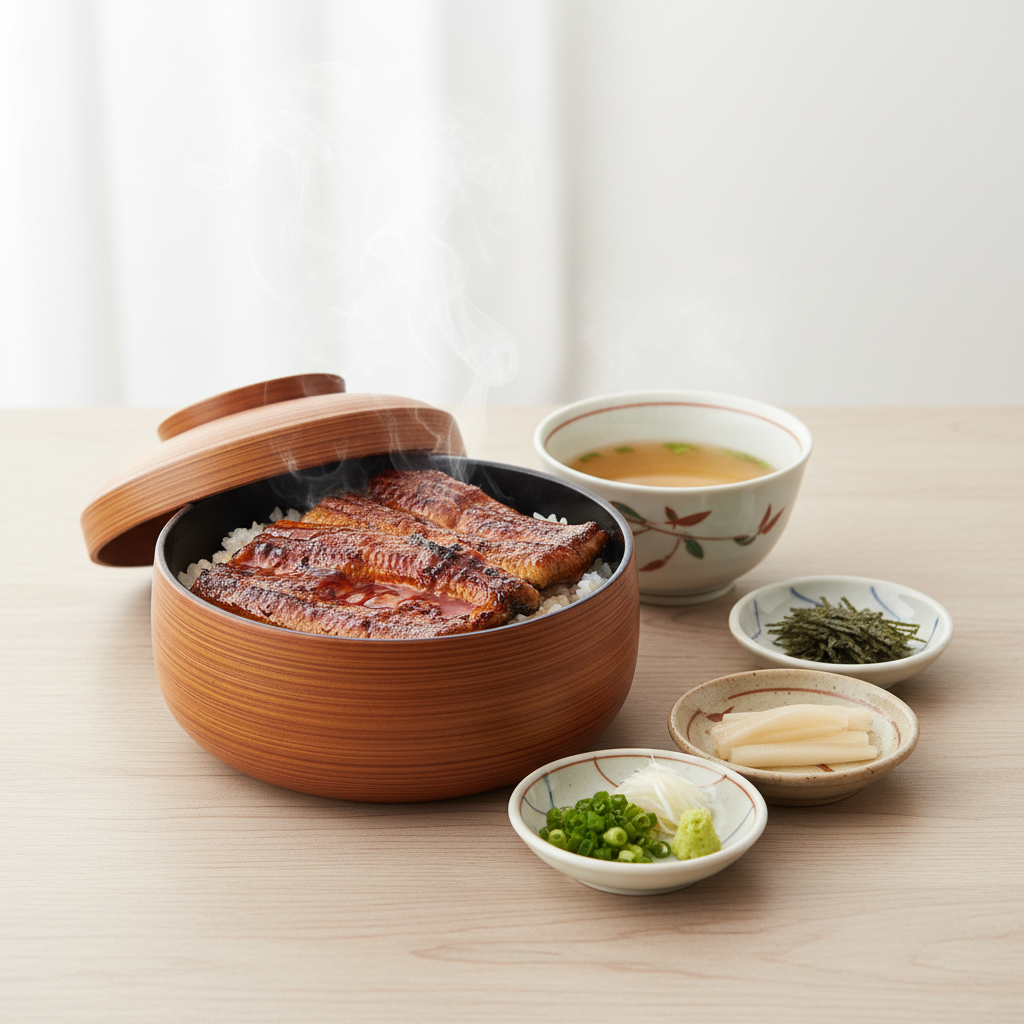
Nagoya City and Aichi Prefecture position miso nikomi udon as an important tourism resource, actively promoting it in tourism guides and brochures. As one of the Nagoya meshi dishes, it is recommended alongside miso-katsu (breaded pork cutlet with miso sauce) and hitsumabushi (eel served three ways) as a must-try regional specialty.
Tourist food-tasting maps and tours visiting miso nikomi udon specialty shops have been organized, contributing to regional economic revitalization.
Famous Miso Nikomi Udon Shops
Yamamoto-ya Sohonke
This long-established shop founded in 1925 is celebrating its 100th anniversary in 2025. It is characterized by rich hacho miso flavor and noodles with firm elasticity. The shop has multiple locations throughout Nagoya City and is beloved by both tourists and locals.
Yamamoto-ya Honten
This historic specialty shop is a separate branch from Yamamoto-ya Sohonke. It features a slightly sweeter flavor profile, making it easier for first-time miso nikomi udon eaters. With locations in Sakae and around Nagoya Station, it is easily accessible.
Kakumaru
This hidden gem has long been loved by local residents. In a homey atmosphere, you can enjoy miso nikomi udon made the traditional way. It is also appealing for its abundant ingredients and generous portions.
Miso Nikomi Wana (Misonikomin)
This shop preserves traditional flavors while adding modern twists to its miso nikomi udon. It is popular with younger generations and has become a topic of discussion on social media.
Conclusion
Miso nikomi udon is a local dish that Aichi Prefecture is proud of, characterized by the rich flavor of hacho miso and the unique texture of the noodles, making it a celebrated local specialty. With a long history spanning from the Sengoku period, specialty shops emerged from the Meiji period onward, developing into a food culture deeply rooted in the region.
It can be made relatively easily at home, with unlimited possibilities for ingredient and flavor variations. During cold seasons, it warms the body and is nutritionally excellent, making it a superior choice for healthy meals.
When visiting Nagoya, be sure to taste authentic miso nikomi udon at a specialty shop. At home, you can also enjoy authentic miso nikomi udon by preparing hacho miso and specialty noodles.
Miso nikomi udon, representing Aichi Prefecture’s rich food culture, will continue to be loved by many people. The specialty shops that preserve tradition while continuing to innovate, and the flavors passed down in home kitchens, support the future of this regional cuisine.