
Miso Katsu | Complete Guide to the History, Characteristics, and Famous Restaurants of Aichi Prefecture’s Signature Local Cuisine
“Miso katsu,” a local dish representative of Nagoya City in Aichi Prefecture, is now known throughout Japan. The combination of rich miso sauce based on soybean miso and crispy-fried pork cutlet is truly the soul food of Aichi Prefecture’s residents. This article comprehensively covers the charm of miso katsu, from its historical background and the secret of its unique flavor, to how to make it at home and recommended restaurants to visit in Nagoya.
What is Miso Katsu? The Basics of Aichi Prefecture’s Representative Local Cuisine
Miso katsu is a dish of crispy-fried pork cutlet topped with a rich miso sauce based on soybean miso. At tonkatsu restaurants in the Tokai region, it is said that there are almost no shops that don’t serve miso katsu, making it a representative “Nagoya meshi” (Nagoya cuisine) deeply rooted in the region.
Characteristics of Miso Katsu
The greatest characteristic of miso katsu lies in the miso sauce made using “soybean miso,” which has been produced in Aichi Prefecture since ancient times. The crispy coating on the outside, juicy and fluffy pork on the inside, and rich, deep-flavored miso sauce create a trinity of taste that produces a unique deliciousness that cannot be found in any other region.
The miso sauce varies in composition from shop to shop, made by slowly simmering bonito stock, pork tendon stock, sugar, mirin, sake, and other ingredients. The richness and sweet-spicy nature of this miso sauce match perfectly with the meat juices of freshly fried pork katsu, and despite being a hearty dish, it never becomes tiresome to eat until the very end—this is the charm of miso katsu.
Differences from Other Local Dishes
In addition to miso katsu, Aichi Prefecture has many local dishes made with soybean miso, such as miso nikomi udon, miso oden, and dote-ni. All of these are dishes that make use of the characteristics of soybean miso, which has been traditionally produced in Aichi Prefecture.
While regular tonkatsu is eaten with sauce or mustard, miso katsu has established its own unique style with miso sauce. Also unlike Kansai region串katsu (skewered cutlets), it uses thick-cut loin or tenderloin and is often served as a set meal with rice—this is also a characteristic feature.
The History of Miso Katsu and Its Origins
There are several theories about the birth of miso katsu, but the most famous is the one that says it was born in a Nagoya food stall in the early 1950s during the post-war reconstruction period.
The Theory of Accidental Discovery at a Food Stall
The most widely known origin story dates back to an incident at a food stall in the early 1950s. According to the story, a customer dipped a skewered cutlet into a pot of dote (beef tendon and offal simmered in miso), and upon tasting it, exclaimed “This is delicious!” Other customers nearby who witnessed this then imitated him in quick succession, and the dish rapidly became popular.
This chance combination later became established as an independent menu item called miso katsu and spread to eating establishments throughout Nagoya.
Multiple Origin Theories
There are several other theories about the roots of miso katsu.
串Katsu Shop Origin Theory: A skewered cutlet shop in Nagoya, inspired by the miso sauce of dote pots, devised a menu of miso sauce poured over tonkatsu.
Western Restaurant Origin Theory: A Western-style restaurant proposed a new way to eat tonkatsu using locally popular soybean miso.
Home Cooking Origin Theory: In Aichi Prefecture homes, leftover miso from miso nikomi or dote pots was poured over tonkatsu.
While none of these theories are confirmed, what they have in common is that the background involves soybean miso culture that has been cherished in Aichi Prefecture since ancient times.
Establishment as Nagoya Meshi
From the 1950s to 1960s, miso katsu became a standard menu item at eating establishments in Nagoya. In particular, with the appearance of specialty shops like Yaba-ton, miso katsu became nationally recognized as a representative of “Nagoya meshi.”
Today, miso katsu has firmly established itself as Aichi Prefecture’s representative local cuisine, with many tourists visiting Nagoya specifically seeking this dish.
The Characteristics of Soybean Miso and Its Application to Miso Katsu
The taste of miso katsu is determined by Aichi Prefecture’s unique “soybean miso.” This soybean miso is the secret that makes miso katsu a unique dish that cannot be replicated in other regions.
What is Soybean Miso
Soybean miso is made by directly converting soybeans into koji without using rice koji or barley koji. In food composition tables it is listed as “Tokai soybean miso,” “Nagoya miso,” or “Hacho miso,” and locally it is also called “red miso.”
Soybean miso, traditionally produced in the Tokai region centered around Aichi Prefecture, differs greatly in both production method and flavor from common rice miso or barley miso. Despite its simple ingredients of just soybeans, salt, and water, the deep umami and complex aroma born from long-term fermentation are its characteristics.
Properties of Soybean Miso
Rich Umami: Rich in amino acids derived from soybeans, with deep body and umami.
Better with Simmering: Flavor is not lost even with heating; in fact, the more it’s simmered, the deeper the taste becomes.
Subtle Bitterness: Has a unique slight bitterness that adds dimension to dishes.
Dark Color: Its dark reddish-brown to blackish-brown color gives dishes a powerful appearance.
Application to Miso Sauce
The miso sauce for miso katsu is created by each restaurant based on their own proprietary formula using this soybean miso as a base. The typical method for making miso sauce is as follows:
- Add bonito stock or pork tendon stock to soybean miso
- Adjust sweetness with sugar and mirin
- Add sake and cook off the alcohol
- Simmer slowly to blend the flavors
- Add sesame seeds or green onions to taste, if desired
Some shops have proprietary recipes that have been maintained since their founding, and the proportions and simmering time are closely guarded trade secrets. Some miso sauces are lightly sweet and thin, while others are rich and thick, with each restaurant’s individuality showing through.
How to Eat Miso Katsu and Its Styles
There are several different serving styles for miso katsu, each with its own characteristics.
Miso Katsu Set Meal
The most orthodox style is a set meal format with rice, miso soup, and shredded cabbage. Thick-cut loin or tenderloin katsu is generously topped with miso sauce and served as a hearty dish.
The shredded cabbage serves the purpose of refreshing the palate between bites of the rich miso sauce, making it an essential accompaniment to miso katsu. Some restaurants recommend eating the cabbage with miso sauce poured over it as well.
Miso Katsu Donburi
A popular style where katsu and shredded cabbage are placed on a bowl of rice and topped with miso sauce. Many restaurants serve a voluminous menu with about six slices of thick loin meat and a soft-boiled egg as a topping.
The flavor of the miso sauce soaking into the rice is superb, and eating the katsu together with the rice provides a more unified taste experience.
Skewered Cutlet Style
The skewered cutlet style, which is also related to the origin story of miso katsu, is still offered at some restaurants. Bite-sized cutlets are skewered and dipped into miso sauce, allowing for a casual enjoyment of miso katsu.
At izakayas and other establishments, this style is sometimes served as a side dish to go with alcohol.
Variations in How Miso Sauce is Applied
Restaurants also differ in how they apply the miso sauce.
All-over coating: Generously coating the entire katsu with miso sauce. Fully enjoy the flavor of the miso.
Partial coating: Applying miso sauce only to part of the katsu, allowing one to also enjoy the crispiness of the breading.
On the side: Serving the miso sauce in a separate dish, allowing diners to add their preferred amount while eating.
Which style is best depends on personal preference, but for those trying miso katsu for the first time, it’s recommended to start with an all-over coating to fully experience the miso sauce.
Recipe for Making Miso Katsu at Home
Miso katsu can be made relatively easily at home. Here we present a method for making authentic miso katsu.
Ingredients (Serves 2)
For the Katsu
- Pork loin (thick-cut): 2 pieces (150-180g each)
- Salt and pepper: A pinch
- Wheat flour: As needed
- Beaten egg: 1 egg
- Panko breadcrumbs: As needed
- Frying oil: As needed
For the Miso Sauce
- Soybean miso (red miso): 4 tablespoons
- Sugar: 2-3 tablespoons
- Mirin: 2 tablespoons
- Sake: 2 tablespoons
- Dashi stock (bonito dashi): 100ml
- Ground sesame: 1 tablespoon (optional)
Accompaniments
- Shredded cabbage: As needed
- Rice: 2 bowls
Instructions
1. Preparing the Pork
Score the sinew on the pork loin and gently pound it with a meat mallet to even out the thickness. Sprinkle both sides with salt and pepper, and let sit for about 10 minutes to season the meat.
2. Making the Miso Sauce
Put soybean miso, sugar, mirin, sake, and dashi stock in a small pot and heat over low heat. Mix well with a wooden spoon and simmer for 5-10 minutes until thickened. Be careful as it scorches easily. Finally, add ground sesame and mix, then remove from heat.
3. Preparing to Fry the Katsu
Coat the pork with wheat flour, beaten egg, and panko breadcrumbs in that order. Press the panko firmly to ensure it adheres well—this will result in a crispy texture when fried.
4. Frying the Katsu
Fry the katsu in oil heated to 170-180°C until golden brown. About 3-4 minutes per side. Once fried, drain off the oil well and cut into manageable pieces.
5. Plating
Place rice on a plate, top with shredded cabbage and katsu, and generously pour the warmed miso sauce over to complete the dish.
Tips for Delicious Results
Choosing Soybean Miso: Using soybean miso produced in Aichi Prefecture (such as Hacho miso) will result in a more authentic flavor.
Adjusting Sweetness of the Miso Sauce: Adjust the amount of sugar according to your preference. Nagoya miso katsu tends to be fairly sweet, but if you prefer less sweetness, reduce the sugar.
Thickness of the Katsu: Using thick-cut meat increases its juiciness. About 2cm thickness is recommended.
Frying Temperature: Too low a temperature will make it oily, too high will result in undercooked meat inside. Maintain 170-180°C.
Must-Visit Miso Katsu Restaurants in Nagoya! Recommended Specialty Shops
Nagoya City in Aichi Prefecture has many renowned miso katsu restaurants. Here we introduce popular shops by area that are highly regarded locally.
Yaba-ton (Yabamachi Main Branch)
So famous is Yaba-ton in connection with miso katsu that it’s often called the definitive establishment. The proprietary miso sauce maintained since its founding is made by slowly simmering soybean miso with pork tendon stock and other ingredients.
The signature “Waraji tonkatsu” is about twice the size of a regular loin katsu, yet it’s remarkably easy to finish thanks to the perfect combination of katsu and miso sauce. The tender meat quality and rich miso sauce match exquisitely.
Access: About 3 minutes walk from Exit 4 of Yabamachi Station on the Meijo Line
Ajidokoro Kanō (Sakae Area)
Known as a famous restaurant where you can taste the “original miso katsu,” Ajidokoro Kanō has a friendly atmosphere with 30 seats including counter and tatami seating.
The original miso katsu donburi, topped with six thick slices of loin meat and a soft-boiled egg, is hearty and satisfying. The miso sauce, with its subtle bitterness and deep umami, pairs wonderfully with the tender loin. The sauce is lightly sweet and smooth, so there’s no heaviness at all.
Business Hours: Weekdays 11:00 AM-2:00 PM, 5:00 PM-10:00 PM (Closed Sundays)
Tonkatsu Futaba (Meieki Esca Underground Mall Branch)
Located in the Esca underground shopping mall directly connected to Nagoya Station, Futaba is popular for its convenient access and consistent quality. The balance between the crispy fried katsu and the rich miso sauce is exquisite, loved by both tourists and locals.
Served as a set meal with rice, miso soup, and shredded cabbage. The convenience of stopping by during a connection at Nagoya Station is also appealing.
Access: Located in Esca Underground Mall, directly connected to Nagoya, JR, Meitetsu, and Subway Stations
Kitchen Nagoya (Around Nagoya Station)
A Western-style restaurant with a retro Showa atmosphere where miso katsu set meals are a popular menu item. The juicy katsu bursting with meat juices pairs well with the sweetish miso sauce, making rice disappear quickly.
Despite being hearty and voluminous, the price is reasonable, and it has been loved by locals for many years. Queues often form during weekday lunch hours.
Miso Katsu no Mise Kento (Fushimi Area)
A miso katsu specialty shop popular locally. The miso sauce is handmade fresh in-house every day, maximizing the flavor of the soybean miso with a rich taste.
The katsu is fried to order, ensuring you always enjoy a crispy texture. In addition to set meals, the miso katsu donburi is popular, with the combination of soft-boiled egg and cabbage being exceptional.
Access: About 5 minutes walk from Fushimi Station on the Tōzai and Tsurumai Lines
Saketsuya Nakaten (Sakae Area)
An old-fashioned izakaya retaining Showa-era atmosphere, serving miso katsu skewered style. Bite-sized katsu are dipped in miso sauce and pair wonderfully with alcohol.
Primarily open for evening service, it’s become a gathering place for locals stopping by after work. In addition to miso katsu, a wide variety of miso-based dishes like dote-ni are available.
Aichi Local Dishes to Enjoy Alongside Miso Katsu
Besides miso katsu, Aichi Prefecture has many local dishes using soybean miso. Enjoying these together with miso katsu allows for a deeper understanding of Aichi’s food culture.
Miso Nikomi Udon
A dish where firm noodles are simmered in a broth based on soybean miso. Cooked and served piping hot in an earthenware pot, with ingredients like chicken, green onions, and egg. Particularly popular during cold seasons.
Dote-ni
A dish where beef tendon and offal are slowly simmered in soybean miso, with a rich flavor perfect as a side with alcohol. Related to the origin story of miso katsu.
Miso Oden
An Aichi-unique style where oden is topped with soybean miso-based sauce. Especially when the sauce is drizzled over daikon radish and eggs, the flavor differs completely from standard oden.
Miso Dengaku
A dish where tofu, konnyaku, eggplant, and other ingredients are coated with dengaku miso based on soybean miso and grilled. The sweetish miso and ingredients pair well, a dish cherished in Aichi since long ago.
Understanding Aichi’s Food Culture Through Miso Katsu
Miso katsu is not merely a dish, but local cuisine with Aichi Prefecture’s history and culture condensed within it.
History of Soybean Miso Culture
The history of soybean miso in Aichi Prefecture is ancient, with traditional production methods from the Edo period still preserved today. In particular, Hacho miso from Okazaki City is known for its traditional method of fermentation using only soybeans and salt, aged for over two years in wooden barrels.
This soybean miso culture has produced various miso dishes including miso katsu, forming Aichi Prefecture’s unique food culture.
Positioning as Nagoya Meshi
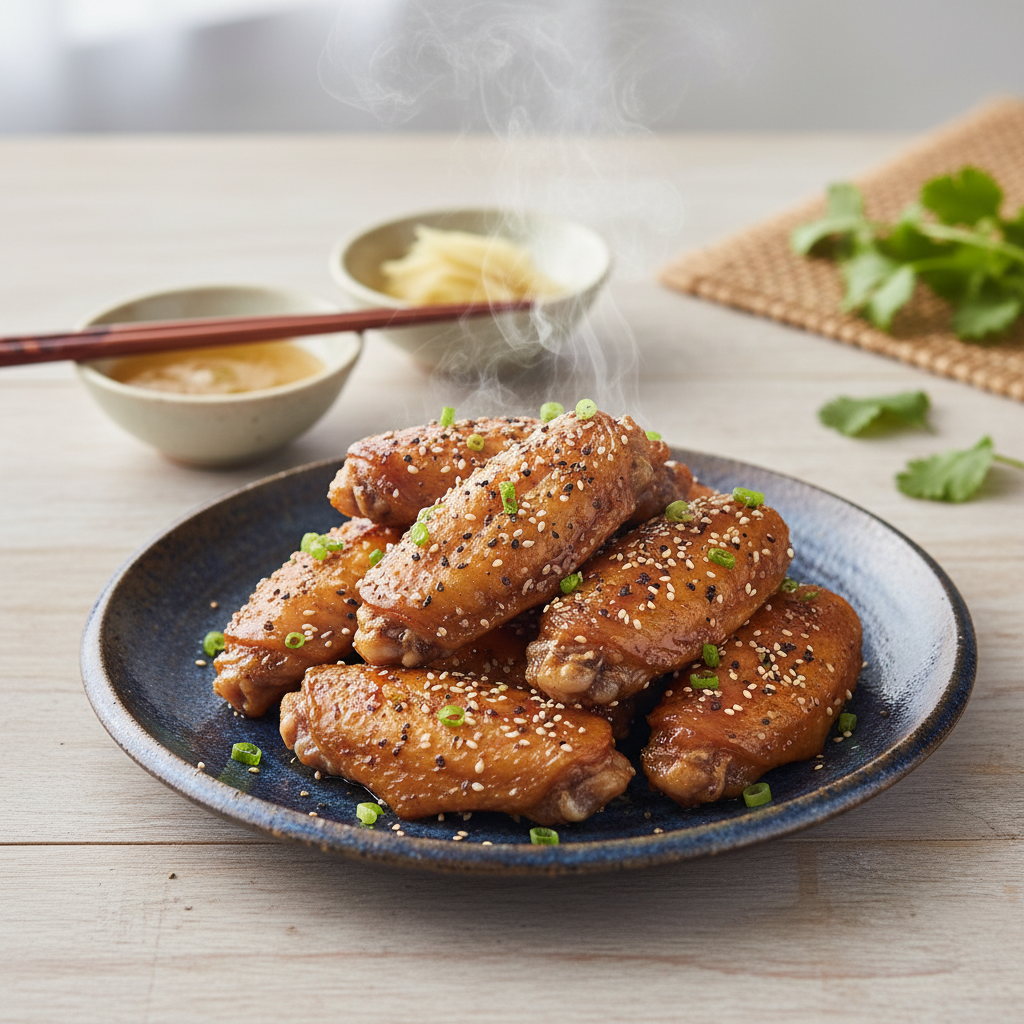
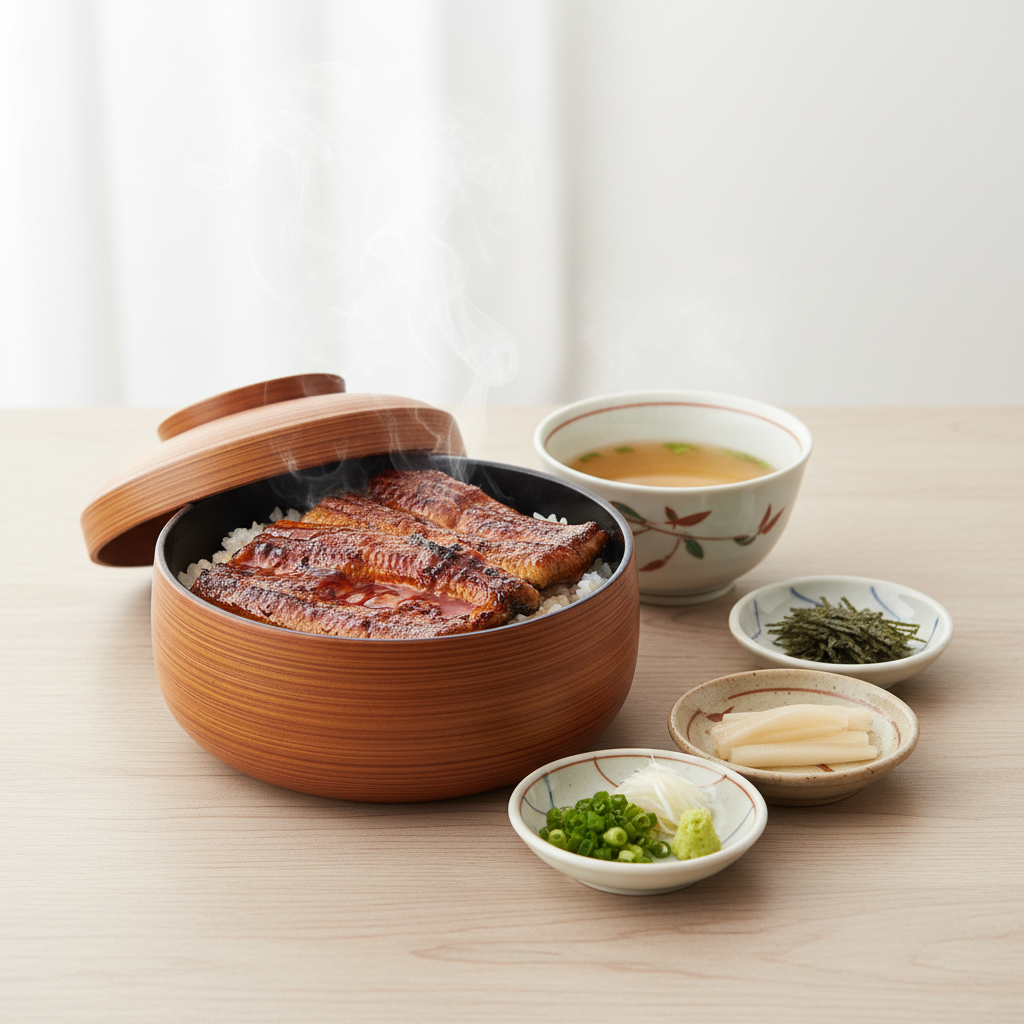
Miso katsu stands alongside hitsumabushi, tebasaki (chicken wings), and kishimen as a representative of “Nagoya meshi.” These dishes utilize local ingredients and seasonings, having undergone unique evolution.
Miso katsu in particular can be described as quintessentially Nagoya—a creatively fusion of Western-style tonkatsu and traditional soybean miso.
Value as a Tourism Resource
Today, miso katsu has become an important tourism resource for Aichi Prefecture. Many tourists visiting Nagoya come specifically for miso katsu, significantly contributing to the regional economy.
At tourist spots like Kinshachi Yokocho, luxurious limited miso katsu are offered, representing initiatives linking tourism with food culture.
Nutritional Value and Health Benefits of Miso Katsu
Miso katsu is not only delicious but also excellent nutritionally.
Nutritional Components of Soybean Miso
Since soybean miso is primarily made from soybeans, it contains abundant high-quality protein. It also contains soy isoflavones, vitamin E, dietary fiber, and other health-supporting components.
As a fermented food, miso contains enzymes that aid digestion and lactic acid bacteria that support intestinal health.
Balanced Eating Method
When eaten as a miso katsu set meal, you obtain protein and fat from pork, carbohydrates from rice, and vitamins and dietary fiber from cabbage—creating a well-balanced meal.
However, as a fried food, the fat content is high. For health-conscious diners, choosing tenderloin katsu, adjusting rice portions, or eating more cabbage are helpful adjustments.
The Future and Evolution of Miso Katsu
While a traditional local dish, miso katsu continues to evolve and take on new forms with the times.
Emergence of New Styles
In recent years, variations have appeared beyond traditional pork katsu, including chicken katsu and shrimp katsu topped with miso sauce. New eating methods have also been proposed, such as miso katsu sandwiches or curry topped with miso sauce.
“Grilled miso katsu” made without deep frying has also emerged to accommodate health-conscious consumers, gaining acceptance from a wider audience.
Spread Throughout Japan
While originating in Nagoya, miso katsu is now served throughout Japan. Specialist Nagoya meshi restaurants have increased in major cities like Tokyo and Osaka, making it easy to enjoy miso katsu.
Additionally, it’s now sold as retort and frozen foods, allowing people to easily enjoy authentic miso katsu at home.
Evaluation Overseas
Against the backdrop of the Japanese food boom, miso katsu is attracting attention overseas. The health benefits of miso and its unique flavor are being recognized, with more Japanese restaurants abroad offering it.
As a dish promoting Aichi Prefecture’s food culture to the world, further development is anticipated.
Conclusion: Miso Katsu is the Crystallization of Aichi Prefecture’s Prided Local Cuisine
Miso katsu represents a fusion of the soybean miso culture long cherished in Aichi Prefecture and post-war culinary creativity—truly Aichi Prefecture’s representative local dish.
The combination of crispy-fried katsu and rich, deeply-flavored soybean miso sauce creates a taste unforgettable once experienced. When visiting Nagoya, be sure to taste authentic miso katsu and experience Aichi’s rich food culture.
Since it can be made relatively easily at home, trying to make miso katsu yourself using soybean miso is also recommended. Miso katsu, while preserving tradition yet continuing to evolve, will undoubtedly be beloved by many people going forward.