Goheimochi (Nagano Prefecture) Complete Guide|History, How to Make, and Detailed Explanation of Regional Characteristics
What is Goheimochi (ごへいもち)?
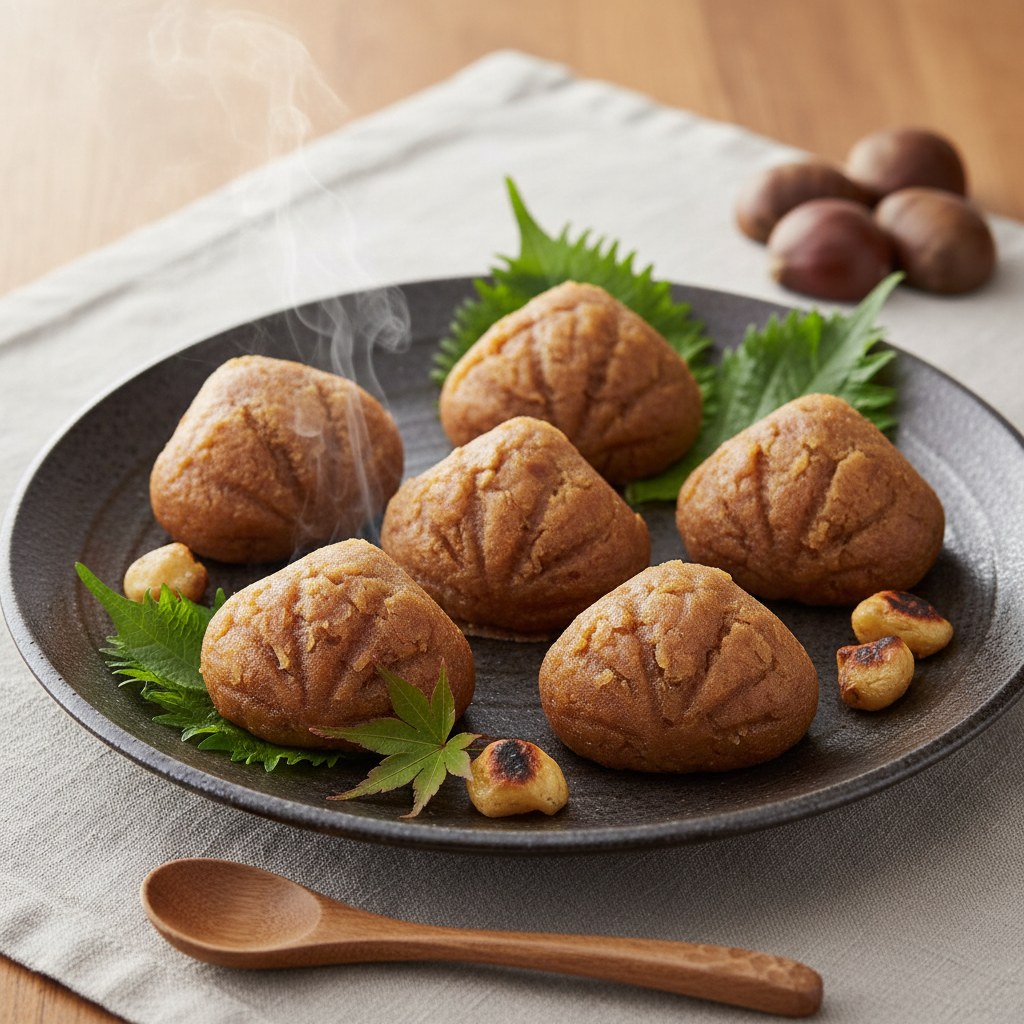
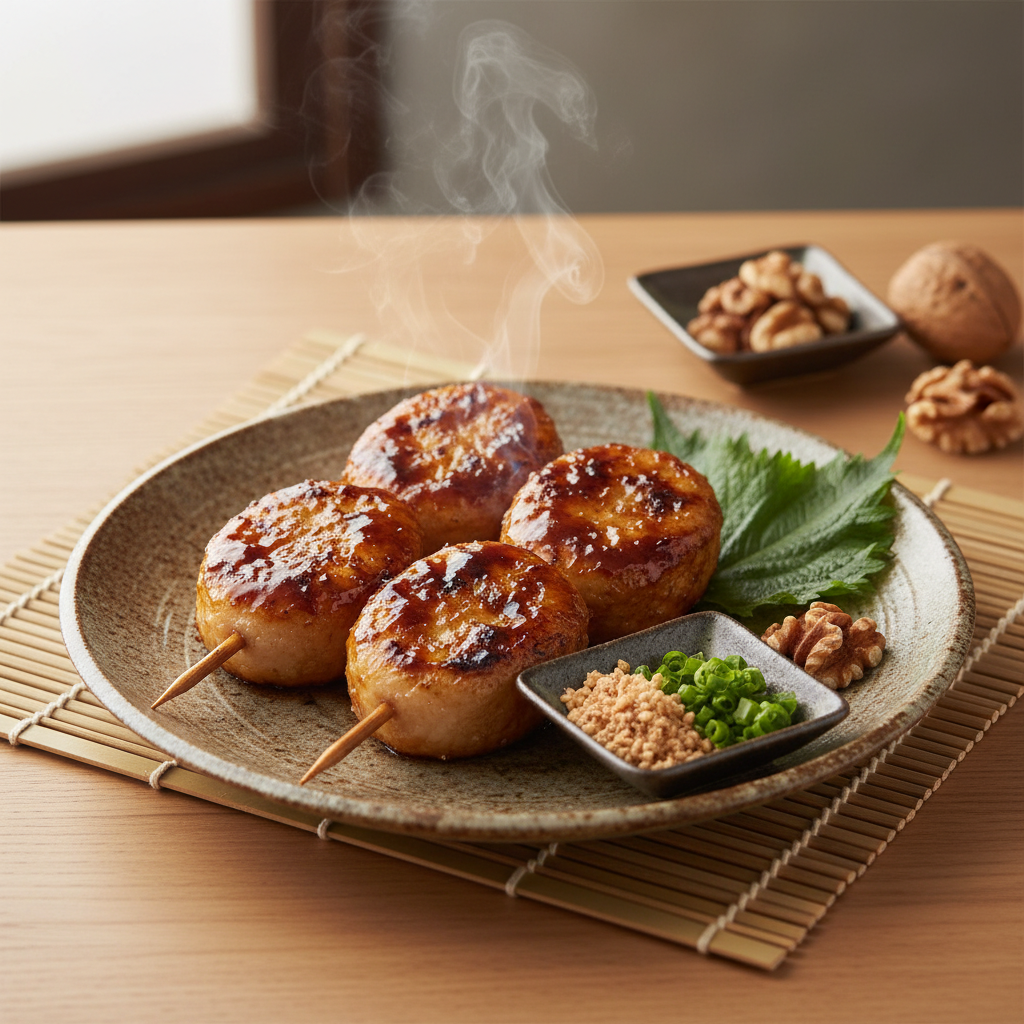
Goheimochi (ごへいもち, also written as 御幣餅), is a traditional local dish widely found in the mountainous regions of central Japan, centered in the Kiso and Ina regions of Nagano Prefecture, and extending to Gifu, Toyama, Aichi, and Shizuoka prefectures. It is a simple dish made by half-pounding (hantsuking) cooked short-grain rice while leaving some grains intact, threading it onto a skewer, coating it with a sauce based on miso or soy sauce, and grilling it. It is cherished as a dish that symbolizes the food culture of mountainous regions.
“Half-pounding” refers to crushing the rice to a degree where approximately half of the grains remain intact, rather than turning it completely into mochi. In some regions, this process is also called “half-killing.” This unique texture is one of the charms of goheimochi, allowing you to enjoy both a chewy mochi-like texture and the crispy sensation of rice grains simultaneously.
The shape on a skewer resembles the “gohei” (sacred wooden wand) used in Shinto rituals, which is the leading theory for how goheimochi got its name. There are also traditions in various regions of a person named Gohei creating this dish, so there are multiple theories about its origins.
Goheimochi Transmission Regions in Nagano Prefecture
Goheimochi of the Kiso Region
The Kiso region of Nagano Prefecture has a history of flourishing as a post station on the Nakasendo Road, and is an area where goheimochi culture remains deeply rooted. In various settlements of the Kiso Valley, the sight of goheimochi being grilled by the hearth was a daily occurrence. Goheimochi from the Kiso region is often relatively small and flat or dango-shaped, characterized by a rich flavor of miso-based sauce with the addition of walnuts and sesame.
In post station towns such as Kiso Fukushima, Agematsu, and Minamiakishio, there are currently many establishments offering goheimochi to tourists, maintaining the region’s food culture. Particularly during autumn harvest season and festival times, the tradition of making goheimochi at home still remains.
Goheimochi of the Ina Region
In the Ina region, centered around Ina Valley, goheimochi has been transmitted in the mountainous areas along the Tenryu River. The goheimochi of the Ina region is characteristically called “waraji-shaped” (sandal-shaped) with a large, flat form, and can sometimes be as large as the palm of a hand.
The sauce is primarily miso-based, though some households use a unique flavoring with Japanese pepper fruits, and others use soy sauce-based sauce. In the Ina region, goheimochi is often eaten as “kojiuhan” (small mid-morning meal) during breaks in farmwork, and was an important meal for energy replenishment.
In cities such as Iida, Komagane, and Ina, goheimochi is sold at local roadside stations and tourism facilities, serving as a representative local dish and tourism resource of Minamishinshu.
Goheimochi Shape Variations
Goheimochi shapes vary by region and household, each with its own characteristics.
Waraji-shaped
The “waraji-shaped” version has rice spread flat and large into a straw sandal-like form, commonly seen in the Ina region and southern Gifu Prefecture. Due to its wide surface area, the sauce adheres well and creates a fragrant, well-grilled finish. A single piece is satisfying and has a strong role as a meal.
Oblong-shaped
The “oblong-shaped” variety is elliptical with thickness, commonly found in the Kiso region and the Oku-Mikawa area of Aichi Prefecture. Its easy-to-eat size means 2-3 pieces are often skewered together and served as a snack or light meal.
Dango-shaped
The “dango-shaped” variety is round and is skewered with multiple pieces on one stick. This shape is common in southern Toyama Prefecture and northern Shizuoka Prefecture, with an appearance that is cute and popular with children. Fire passes through evenly, and it is easy to shape when making at home.
Cylindrical-shaped
The “cylindrical-shaped” variety is shaped long and stick-like, formed by wrapping around bamboo skewers or wooden sticks. This shape is seen in the Tono region of Gifu Prefecture and was created for practical reasons, as it can be rotated easily when grilling over a hearth, allowing for uniform browning.
History and Origins of Goheimochi
Origin of the Name
There are multiple theories about the origin of the name goheimochi. The most credible theory is that the shape on the skewer resembles the “gohei” (sacred wand) used in Shinto rituals, leading to it being called “gohei mochi.” Gohei are ritual implements made by folding paper or fabric and have been considered sacred.
Another theory is that a person named “Gohei” invented it. There are traditions in various regions about a woodcutter or mountain worker named Gohei creating it as a meal during mountain work. However, it is unclear whether this Gohei was a real person.
Mountain Life and Goheimochi
The development of goheimochi in the mountainous regions of central Japan is deeply connected to the lifestyle of this area. In mountainous regions, land suitable for rice farming was limited, making harvested rice a precious food. Therefore, goheimochi was made as a special dish during festivals, important days, or turning points in farm work.
In mountainous areas where hearth culture was rooted, the sight of families gathering around the hearth to grill goheimochi was a daily occurrence. Slow grilling over charcoal brought out the fragrant sauce and the sweetness of the rice, and during cold winters, it was valued as a dish that warmed the body.
Faith and Goheimochi
In some regions, records show that goheimochi was connected to religious rites and festivals. During festivals praying for good harvests and events honoring mountain gods, there were customs of offering goheimochi or sharing and eating it among participants. This reflects the fact that dishes made with rice were considered sacred.
Main Ingredients Used in Goheimochi
Rice (Short-grain rice)
The foundation of goheimochi is ordinary “short-grain rice,” not glutinous rice. By using short-grain rice instead of glutinous rice, appropriate stickiness and rice grain texture can be maintained. Using freshly cooked warm rice is ideal, as cooled rice loses its stickiness.
Depending on the region, there is a preference for using locally-grown rice, with sticky varieties such as Koshihikari and Akitakomachi being favored.
Miso
The most common sauce base for goheimochi in Nagano Prefecture is miso-based. Using locally-produced miso such as Shinshu miso reflects strong regional characteristics. While rice miso is the mainstream type, some households use barley miso or soybean miso.
The basic sauce is made by adding sugar and mirin to miso for a sweet-salty finish, with different proportions in each household, creating each family’s distinctive “mother’s cooking.”
Soy Sauce
In parts of the Kiso region and the Ina region, soy sauce-based sauce is also used. This is a simple sauce of soy sauce with added sugar and mirin, resulting in a lighter flavor than miso-based sauce. Soy sauce sauce burns easily, so care is needed when grilling.
Walnuts
Walnuts grow abundantly in mountainous areas, so they are often added to sauce. Grinding walnuts and mixing them with miso or soy sauce increases richness and a roasted aroma, while also boosting nutritional value. The oil from walnuts gives the sauce a glossy appearance, making it look appetizing.
Sesame
Sesame is also a commonly used ingredient in sauce. Adding ground sesame enriches the aroma and adds depth to the flavor. Both white and black sesame are used, though white sesame is more common.
Japanese Pepper
In the Ina region, some households add Japanese pepper fruits to their sauce. The peppery bite and unique aroma give goheimochi individuality and a more adult flavor. Since Japanese pepper grows wild in mountainous areas, this represents a clever use of local ingredients.
Sugar and Mirin
Sugar and mirin are used to add sweetness to the sauce. In the past, some regions used corn syrup or honey instead of the precious sugar. The sweet-salty sauce caramelizes under the charcoal fire, creating a fragrance that enhances the appeal of goheimochi.
How to Make Goheimochi (Basic Recipe)
Ingredients (Serves 4)
Goheimochi base:
- Short-grain rice (cooked): about 2 cups (approximately 600g)
- Bamboo skewers or chopsticks: 8 pieces
Miso-based sauce:
- Shinshu miso: 4 tablespoons
- Sugar: 3 tablespoons
- Mirin: 2 tablespoons
- Soy sauce: 1 teaspoon
- Ground walnuts: 2 tablespoons (if available)
- Ground sesame: 1 tablespoon
- Dashi broth: 1-2 tablespoons (for consistency adjustment)
Instructions
Step 1: Rice preparation
Prepare freshly cooked warm rice. Transfer it to a bowl and crush it using a pestle, wooden spoon, or wet hands until approximately half of the grains remain. The key is not to completely mash it and to retain the grain texture. This state is called “half-pounding” or “half-killing.”
Step 2: Shaping
Divide the crushed rice into 8 portions and shape each by wrapping around a bamboo skewer or chopstick. For waraji-shaped, make it flat and large; for oblong-shaped, make it elliptical; for dango-shaped, make it round. Wetting your hands while working prevents rice from sticking.
After shaping, lightly press the surface with your palm to flatten it and make it easier to grill.
Step 3: Sauce preparation
In a small pot, combine miso, sugar, mirin, and soy sauce over low heat, stirring well to dissolve the sugar. Add ground walnuts and ground sesame, then adjust the consistency with dashi broth. The sauce will thicken as it cools, so make it slightly thinner than desired.
Step 4: Grilling
First, grill the goheimochi without sauce. Using a grill, frying pan, fish grilling pan, or hot plate, grill both sides until the surface turns golden brown. This step hardens the surface and prevents the sauce from soaking in too much.
Step 5: Applying sauce and finishing
Once the surface is grilled, generously brush on the sauce with a brush or spoon. Return to the heat and grill until the sauce lightly chars and becomes fragrant. Be careful not to char too much while applying sauce to both sides and finishing.
The fragrance created by the charred sauce is the greatest charm of goheimochi. Grilling over charcoal enhances the flavor further, but home grilling or toasters work well too.
Step 6: Serving
Once grilled, transfer to a plate, optionally sprinkling with sesame or chopped green onion, and serve. Eating while piping hot is the best way to enjoy it.
Occasions and Seasons for Eating
Celebrations and Special Occasions
In mountain region households, goheimochi has been positioned as a celebratory dish (hare no hi—special occasions). It was often made for New Year’s, festivals, memorial services, and entertaining guests. In times when rice was precious, making goheimochi itself held the meaning of special hospitality.
Autumn Festivals and Harvest Season
When rice harvest ends in autumn, festivals celebrating the abundant harvest are held throughout the regions, with goheimochi offered or served. Goheimochi made with new rice has unmatched deliciousness, with feelings of gratitude for the year’s bounty.
Currently, food stalls selling goheimochi often appear during autumn festivals in the Kiso and Ina regions of Nagano Prefecture, serving as places to continue the region’s food culture.
Small Mid-morning Meal During Farm Work
Primarily in the Ina region, goheimochi was sometimes made as a “kojiuhan” (small mid-morning meal) eaten during breaks in farm work. For farmers working from early morning, mid-morning energy replenishment was essential, making goheimochi, which was portable and nutritious, an ideal meal.
Modern Eating Habits
Today, goheimochi is enjoyed year-round as a famous tourist dish, snack, or light meal in homes. It can be purchased at roadside stations, tourism facilities, and festival stalls, and is also sold as frozen food, making it easy to enjoy.
Ways of Eating and Enjoying
Basic Way of Eating
The basic way to eat goheimochi is to eat it hot right off the grill. Hold the skewer and bite into it directly, savoring the fragrant sauce, sweetness of the rice, and texture of the half-pounded goheimochi slowly.
Eating by the Hearth
The traditional way is to grill while gathering around the hearth as a family and eat. Slow grilling over charcoal produces a fluffy result through far-infrared heat, with beautiful char marks on the sauce. Gathering around the hearth was itself part of the pleasure of eating goheimochi.
Modern Arrangements
Recently, various arrangements based on basic goheimochi have been attempted. Creative goheimochi with added cheese, mentaiko, or mayonnaise have appeared. Additionally, “bite-sized goheimochi” formed into small rounds without skewers is popular as party food.
Pairing with Tea
Goheimochi with its rich sweet-salty sauce pairs excellently with tea. Combined with Shinshu bancha or roasted tea, the palate is refreshed, and you can enjoy multiple pieces.
Sauce Variations by Region
Kiso Region Sauce
In the Kiso region, miso-based sauce with abundant walnuts and sesame is mainstream. The deep flavor of Shinshu miso and the roasted aroma of walnuts are characteristic, creating a rich taste. The sugar amount is generous, with an exquisite sweet-salty balance.
Ina Region Sauce
In the Ina region, miso-based sauce with Japanese pepper for a peppery flavor and soy sauce-based lighter sauce are also used. Miso types vary by location, with some households using red miso and others white miso, showing great diversity.
Gifu Prefecture Sauce Comparison
In the neighboring Gifu Prefecture, soy sauce-based sauce is mainstream, in contrast to Nagano’s miso-based approach. In the Tono region of Gifu Prefecture, sauce with added peanuts is also popular, with strong regional characteristics reflected.
Renowned Goheimochi Establishments in Nagano Prefecture
Purchasing at Roadside Stations
Many roadside stations throughout Nagano Prefecture sell goheimochi. Roadside stations in Kiso regions such as “Michi no Eki Kiso Fukushima,” “Michi no Eki Ookuwa,” and “Michi no Eki Minami Akishio,” and those in Ina regions such as “Michi no Eki Hana no Sato Iijima” and “Michi no Eki Minamialpusu Mura” offer freshly grilled goheimochi.
Specialty Shops
In Ina City, there are established specialty shops like “Suzuhei” that focus on goheimochi manufacturing and sales, where you can taste traditionally-made goheimochi. Popular with tourists and available as souvenirs.
Soba Restaurants and Dessert Shops
Soba restaurants and sweet shops in the Kiso and Ina regions often serve goheimochi as a side menu. A set of soba and goheimochi is a popular combination allowing you to enjoy Shinshu food culture at once.
Preservation and Transmission Efforts
Regional Preservation Society Activities
Throughout Nagano Prefecture, preservation societies and food culture heritage groups work to pass local cuisine to future generations. In Kiso and Ina regions, groups centered on local women’s associations and dietary improvement promotion staff organize goheimochi-making workshops, teaching traditional methods to younger generations and children.
School Lunch Provision
Some elementary and middle schools incorporate goheimochi into school meals as an opportunity to learn about local cuisine. Using local ingredients and made by cooks, it becomes a valuable opportunity for children to encounter regional food culture.
Utilization as Tourism Resource
Goheimochi holds an important position as a tourism resource in Nagano Prefecture. Events such as “Goheimochi Festivals” and “Goheimochi Contests” organized by tourism associations and municipalities are held, contributing to regional revitalization.
Commercialization Efforts
In recent years, efforts to commercialize goheimochi as frozen or retort-packaged foods have advanced. Frozen goheimochi and goheimochi kits with sauce included are sold, allowing people far away to enjoy Shinshu flavors.
Sales through online shops are increasing, with systems allowing orders from anywhere in the country. This has helped spread the appeal of goheimochi beyond Nagano Prefecture.
Information Dissemination Using SNS
Young business owners and individuals use SNS platforms like Instagram and Twitter to share the appeal of goheimochi. Through beautiful photos and videos, they introduce ways of making and eating goheimochi and regional food culture, successfully acquiring new fans.
Searching hashtags like “#goheimochi” and “#shinshu gourmet” reveals numerous posts, showing high interest in goheimochi.
Nutritional Value and Health Aspects of Goheimochi
Nutritional Components
Since goheimochi is primarily rice-based, carbohydrates are the main nutrient. It is excellent as an energy source, suitable for nutritional replenishment during physically demanding activities like farm work or mountain labor.
The miso used in the sauce is a fermented food containing protein, B vitamins, and dietary fiber. Adding walnuts provides omega-3 fatty acids, vitamin E, minerals, and improved nutritional balance.
Sesame contains sesamol, calcium, iron, and other components beneficial to health. When Japanese pepper is added, digestive promotion effects can be expected.
Healthy Eating Methods
While delicious, goheimochi uses sugar-heavy sauce, making it calorie and sugar-dense. For health-conscious eating, reducing sugar in the sauce or eating it with vegetables can balance nutrition.
Recently, goheimochi made with brown rice or mixed grains has appeared, with efforts to increase dietary fiber and minerals.
Relationship of Goheimochi to Other Local Dishes
Differences from Oyaki
Another representative local dish of Nagano Prefecture is “oyaki.” Oyaki is made with a dough of wheat or buckwheat flour wrapped around vegetable fillings and grilled or steamed, differing from goheimochi in both ingredients and cooking method.
However, both served roles as preserved foods and portable meals in mountainous regions, showing diversity in Nagano’s food culture.
Shinshu Miso Culture
Miso, essential to goheimochi sauce, is a representative ingredient of Shinshu. Nagano Prefecture is among the nation’s top miso producers, with “Shinshu miso” being a nationally famous brand. Goheimochi is a dish allowing full appreciation of this delicious miso, serving as a symbol of regional food culture.
Conclusion
Goheimochi is a traditional local dish widely found in mountainous regions of central Japan, centered in the Kiso and Ina regions of Nagano Prefecture. Though a simple dish of half-pounded short-grain rice on a skewer coated with miso or soy sauce-based sauce and grilled, it shows great diversity with different shapes and sauce flavors by region.
Deeply connected to hearth culture and the lifestyle of mountainous regions, goheimochi is not merely food but a cultural entity conveying a region’s identity and history. Today utilized as a tourism resource, transmission to future generations is advancing through preservation society activities and commercialization efforts.
When visiting Nagano Prefecture, be sure to taste authentic goheimochi, experiencing the unique flavors and food culture of the area. Home cooking is also relatively simple, allowing you to recreate Shinshu flavors. Through goheimochi, you can sense Japan’s rich food culture and regional history.