Yudofu is a Local Dish Representing Kyoto Prefecture | Comprehensive Explanation from History to Popular Restaurants to Home Enjoyment
Yudofu is one of the local dishes you must taste when visiting Kyoto Prefecture. This dish, simple yet with profound depth of flavor, can be said to be the ultimate creation born from Kyoto’s water and tofu culture. This article provides a comprehensive explanation of Kyoto’s yudofu culture, from the historical background of yudofu to famous restaurants in Kyoto City and how to enjoy it at home.
What is Yudofu? Characteristics as a Local Dish of Kyoto Prefecture
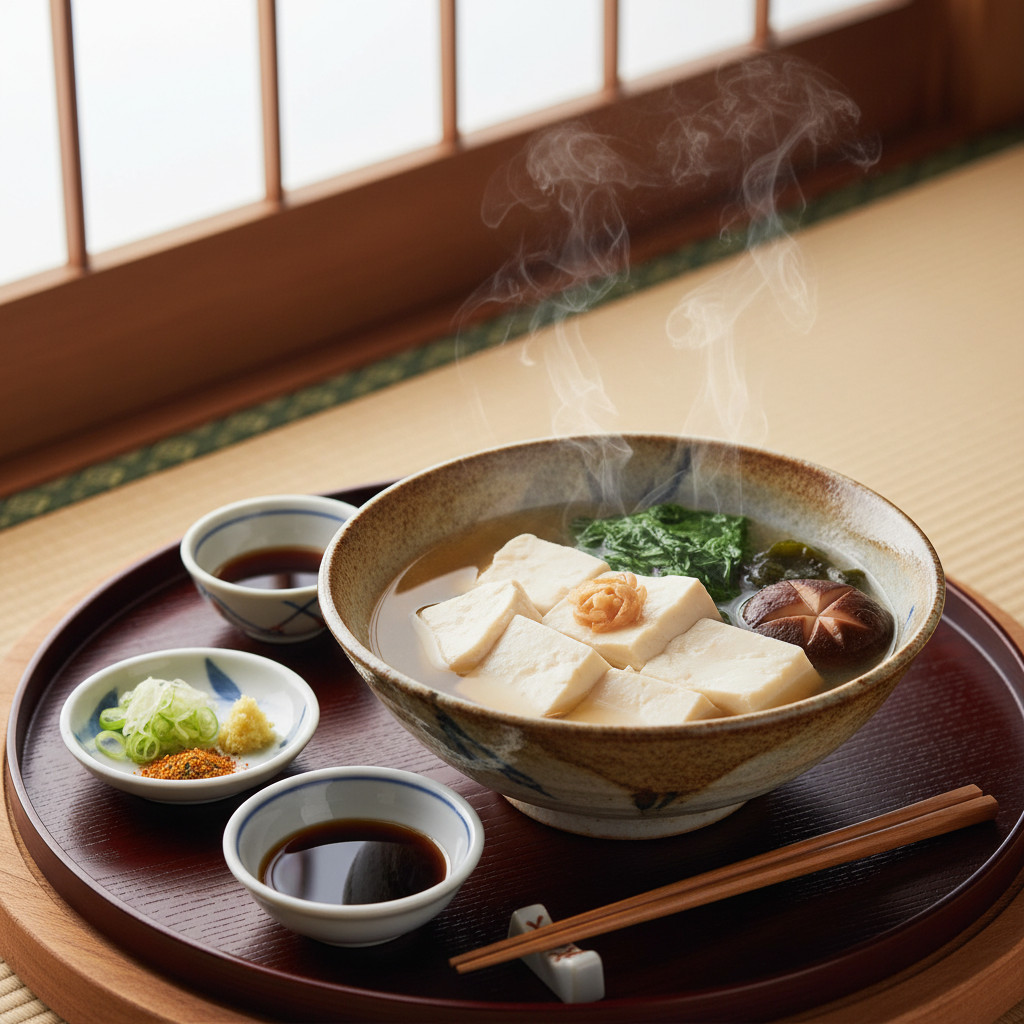
Yudofu is a simple dish in which tofu is warmed in an earthenware pot filled with kombu dashi, and eaten with seasoning sauce. As a local dish that developed particularly in Kyoto City, Kyoto Prefecture, it is widely loved not only by locals but also by tourists.
Basic Components of Yudofu
The appeal of yudofu lies in its simplicity. The basic components are as follows:
- Tofu: Typically silken tofu or a texture somewhere between silken and firm tofu
- Kombu dashi: Dashi made with high-quality groundwater from Kyoto
- Sauce: Soy sauce-based dipping sauce
- Condiments: Green onions, ginger, bonito flakes, shichimi togarashi (seven-spice chili pepper), etc.
Kyoto’s Water and Tofu Culture
Kyoto City, in particular, is blessed with high-quality groundwater. This water quality is optimal for tofu making, so tofu with a good reputation has been produced here since ancient times. Kyoto tofu is also called “Kyo-dofu,” and is characterized by concentrated soybean flavor and smooth texture.
Yudofu developed as a cooking method that allows you to fully savor the natural deliciousness of Kyoto tofu. Without excessive seasoning, yudofu allows you to truly enjoy the sweetness and umami of the tofu itself—this is the greatest appeal of yudofu as a local dish of Kyoto Prefecture.
The History of Yudofu and Its Deep Connection to Nanzenji Temple
While there are various theories about the origin of yudofu, the most popular theory is that it originated from the Buddhist vegetarian cuisine at Nanzenji Temple.
As a Specialty at the Gate of Nanzenji Temple
In the “Kyoto Guide Book Karakudori Meisho Zue” written in the late Edo period, yudofu is recorded as a popular specialty at the gate of Nanzenji Temple. The area around Nanzenji Temple had high-quality spring water, and tofu made with this water became famous for its deliciousness.
What began as Buddhist vegetarian cuisine for monks eventually became a dish served in tea houses catering to pilgrims visiting Nanzenji Temple. This tradition, which continues from the Edo period, is still carried on today at long-established restaurants around Nanzenji Temple.
Expansion Throughout Kyoto City
The yudofu culture born at Nanzenji gradually spread to other areas of Kyoto City. Shops serving yudofu increased in major tourist destinations of Kyoto such as Arashiyama, Gion, and around Kiyomizu Temple, establishing yudofu as a local dish representative of Kyoto Prefecture.
Yudofu Famous Restaurant Guide for Kyoto City
There are many famous yudofu restaurants in Kyoto City. Here we introduce particularly highly-regarded long-established and popular restaurants organized by area.
Long-Established Restaurants in the Nanzenji Temple Area
Nanzenji Junseisei
“Nanzenji Junseisei” is one of the most popular yudofu restaurants in Kyoto City. It features carefully selected tofu made with domestic soybeans and a special sauce that brings out the sweetness of the tofu. You can enjoy fragrant yudofu while taking in the views of a garden filled with Japanese aesthetics.
At lunch time, reasonably priced course options are also available, allowing you to easily enjoy the taste of a famous restaurant. With private rooms available, it is also recommended for special meals.
Nanzenji Sando Kikusuі
“Kikusuі” located on the Nanzenji approach path is a long-established restaurant where you can fully experience the traditional Kyoto atmosphere. In the yudofu-centered course cuisine, you can also enjoy Kyoto vegetables and yuba dishes.
Saigenji-in
At Saigenji-in, a subsidiary temple of Nanzenji, you can enjoy yudofu within the temple grounds. The yudofu savored in the serene atmosphere is a truly authentic experience of Buddhist vegetarian cuisine.
Popular Restaurants in the Arashiyama Area
Sagano
“Sagano” allows you to enjoy yudofu in the lush natural environment of Arashiyama. Yudofu made with tofu from Sagano Moriyoshi is a masterpiece that captures the essence of Kyoto’s tofu culture.
Sagano Tofu Ina
A recommended restaurant for those who want to casually enjoy yudofu in the Arashiyama area. During lunch time, reasonably priced course options are offered.
Yudofu Takemura
“Takemura,” located near the bamboo grove of Arashiyama, is attractive for its convenient location for visitors. You can also enjoy dishes made with Kyoto vegetables along with yudofu.
Famous Restaurants in the Gion and Higashiyama Areas
Gion Uemori
“Gion Uemori” allows you to enjoy yudofu amid the atmospheric streets of Gion. As a specialty tofu restaurant, it offers not only yudofu but also various tofu dishes. Private rooms are available, making it ideal for special meals.
Kiyomizu Junseisei Okabeyya
“Kiyomizu Junseisei Okabeyya,” located on the Kiyomizu Temple approach path, is attractive for its location where you can easily combine sightseeing and dining. As a restaurant of the Junseisei group, it offers reliable taste.
Okutan Kiyomizu
The Kiyomizu branch of long-established “Okutan,” which continues from the Edo period. Yudofu made with tofu crafted using traditional methods offers a taste that conveys historical weight.
Notable Restaurants in Other Areas
Ryotei Yachiyо
“Ryotei Yachiyо” allows you to enjoy yudofu while gazing at a beautiful garden. Using tofu sourced from various places throughout Kyoto such as Shirakawa and Kiyomizu, it is characterized by a texture between firm and silken tofu.
Shょraiَan
“Shょraiَan,” located in a quiet area of Kyoto City, is a hidden gem where you can savor yudofu in a calm atmosphere.
Kyoto Tofu Fujino
The commitment particular to a tofu specialty shop shines through at “Kyoto Tofu Fujino.” In the course offering various tofu dishes, yudofu is served as the main dish.
Rengetsuchaya
A tea house-style restaurant where you can enjoy yudofu casually while feeling Kyoto’s character.
Hiranoya
“Hiranoya,” beloved by local residents, is attractive for its wallet-friendly pricing. A popular restaurant where not only tourists but also Kyoto residents frequent.
Kyoto Touhatchi
“Kyoto Touhatchi” handles everything from tofu manufacturing to serving. Yudofu made with freshly made tofu is incomparably delicious.
Delicious Ways to Eat Yudofu and Etiquette
We introduce ways to enjoy yudofu more deliciously and manner of eating that respects Kyoto’s culture.
Basic Way to Eat
- Warming the tofu: The tofu is ready when it begins to gently sway in the earthenware pot. Be careful not to let it boil too vigorously as this damages the tofu’s texture.
- How to serve: Use a ladle or spoon to gently scoop the tofu. Be careful when using chopsticks directly as the tofu crumbles easily.
- How to dip the sauce: Dip only a portion of the tofu in the sauce, also enjoying the tofu’s natural flavor.
- Using condiments: By adding appropriate amounts of condiments such as green onions, ginger, and bonito flakes, you can enjoy variations in taste.
Dishes to Enjoy Together
At yudofu restaurants in Kyoto City, yudofu is often served as part of a course along with the following dishes:
- Yuba dishes: Yuba, a representative ingredient of Kyoto
- Simmered Kyoto vegetables: Dishes using seasonal Kyoto vegetables
- Rice dishes: Mixed rice or plain rice
- Pickles: Kyoto pickles
By enjoying yudofu together with these dishes, you can experience Kyoto’s food culture more deeply.
How to Make Kyoto-Style Yudofu at Home
While it may not match the taste of famous restaurants in Kyoto City, you can enjoy Kyoto-style yudofu at home.
Ingredients (serves 2)
- Silken tofu: 1 block (approximately 400g)
- Kombu: One 10-centimeter square piece
- Water: 800ml
- Soy sauce: 2 tablespoons
- Mirin: 1 tablespoon
- Bonito flakes: as desired
- Condiments (green onions, ginger, shichimi togarashi, etc.): as desired
Instructions
- Prepare the dashi: Place water and kombu in a pot and let sit for about 30 minutes to extract the umami from the kombu.
- Prepare the tofu: Cut tofu into easy-to-eat pieces (4-6 pieces).
- Heat: Heat the pot with kombu over medium heat. Remove the kombu just before it boils.
- Warm the tofu: Place tofu in the pot and warm over low heat. The tofu is ready to eat when it begins to sway.
- Prepare the sauce: Mix soy sauce and mirin, then add bonito flakes to make the sauce.
- Serve: Place the earthenware pot on the table and serve, with each person taking their portion.
Tips for Delicious Preparation
- Choose high-quality tofu: Select tofu with a concentrated soybean flavor if possible.
- Don’t boil the kombu: Remove the kombu just before it boils to avoid bitter flavors.
- Don’t boil the tofu vigorously: Boiling tofu too much damages its texture, so warm gently over low heat.
- Use fresh tofu: The fresher the tofu, the better the taste, so cook soon after purchase.
Combining Yudofu with Kyoto Sightseeing
For tourists visiting Kyoto Prefecture, yudofu is an excellent opportunity to combine sightseeing with dining.
Recommended Sightseeing Routes by Area
Nanzenji Temple Area
- Morning: Walk through Nanzenji Temple grounds (Sanmon, Water Aqueduct, etc.)
- Lunch: Eat at a yudofu restaurant around Nanzenji Temple
- Afternoon: Stroll along the Philosopher’s Path, visit Ginkakuji Temple
The Nanzenji area, being the birthplace of yudofu, has the most famous restaurants concentrated here. You can efficiently combine sightseeing and dining in this area.
Arashiyama Area
- Morning: Stroll around Togetsukyo Bridge and the Bamboo Grove Path
- Lunch: Eat at a yudofu restaurant in Arashiyama
- Afternoon: View the gardens of Tenryuji Temple, explore Sagano
The Arashiyama area allows you to enjoy yudofu in a nature-rich environment. Dining in a serene atmosphere becomes a memorable experience of your Kyoto trip.
Gion and Higashiyama Areas
- Morning: Visit Kiyomizu Temple, stroll around Sannenzaka and Ninnenzaka
- Lunch: Eat at a yudofu restaurant near Kiyomizu Temple or in Gion
- Afternoon: Visit Yasaka Shrine, Maruyama Park, Chionji Temple, etc.
The Gion and Higashiyama areas are where you can most feel Kyoto’s character. Yudofu savored amid historic streets and scenery is exceptional.
Seasonal Ways to Enjoy
Spring (March – May)
During cherry blossom season, restaurants with views of blossoming trees in their gardens are recommended. The cherry blossoms of Nanzenji and Arashiyama are especially magnificent, allowing you to enjoy both flower viewing and dining simultaneously.
Summer (June – August)
While Kyoto summers are hot, enjoying yudofu with chilled tofu dishes in a cool sitting room is also delightful. Combining with riverside dining is also recommended.
Autumn (September – November)
Autumn is the peak season for Kyoto sightseeing. Yudofu enjoyed while viewing colored autumn leaves fully captures Kyoto’s autumn.
Winter (December – February)
Winter is when yudofu truly shines. Warm your body with hot yudofu while enjoying the quiet atmosphere of Kyoto in winter.
Points for Choosing a Yudofu Restaurant
With many yudofu restaurants in Kyoto City, many people are unsure which to choose. Here we introduce points for selecting restaurants based on your purpose and budget.
Selection by Budget
High-End Restaurants (5,000 yen and above)
- Many are long-established famous restaurants
- Served as multi-course meals
- Emphasis on atmosphere including private rooms and gardens
- Recommended for special anniversaries and business entertaining
Mid-Range (3,000 to 5,000 yen)
- Many popular with tourists
- Lunch and dinner may have different prices
- Can enjoy the taste of famous restaurants casually
- Ideal for dining during sightseeing
Budget-Friendly (3,000 yen and below)
- Many frequented by locals
- Aim for special lunch menus
- Friendly on the wallet and easy to enjoy
- Recommended for those who want to visit multiple times
Selection by Scene
When Sightseeing is the Priority
- Restaurants near tourist spots
- Restaurants open during lunch time
- Restaurants where you can enter without reservations
When Dining is the Priority
- Long-established or highly-regarded famous restaurants
- Restaurants with extensive course menus
- Restaurants with private rooms or gardens
- Consider restaurants requiring advance reservations
For Groups or Families
- Restaurants with private rooms
- Restaurants with abundant menus besides yudofu
- Restaurants where families with children can feel comfortable
Kyoto’s Tofu Culture and its Relationship with Yudofu
To deeply understand yudofu, it is important to know Kyoto’s tofu culture as a whole.
Characteristics of Kyoto Tofu
Kyoto tofu, called “Kyo-dofu,” has the following characteristics:
- Rich soybean flavor: Made with domestic soybeans, with concentrated soybean taste
- Smooth texture: Achieved with high-quality water, resulting in fine texture
- Sweetness: Natural sweetness of tofu itself can be felt
- Both softness and elasticity: Soft yet with appropriate elasticity
Tofu Manufacturing and Kyoto’s Water
The groundwater in Kyoto City is soft water ideal for tofu making. This water quality is one of the secrets to the deliciousness of Kyoto’s tofu. High-quality water is an important factor in determining tofu taste, and this is also why Kyoto’s yudofu is delicious.
Kyoto Tofu Dishes Besides Yudofu
Kyoto has various tofu dishes besides yudofu:
- Fresh yuba: The membrane formed on the surface of soy milk when heated
- Scooped yuba: Yuba scooped up as soy milk is heated
- Tofu dengaku: Tofu topped with miso and grilled
- Tofu steak: Grilled tofu seasoned with various flavors
These tofu dishes are often served as part of course meals along with yudofu, allowing you to comprehensively experience Kyoto’s tofu culture.
Trivia for Enjoying Yudofu
We introduce useful trivia for enjoying yudofu more deeply.
Types of Tofu and Yudofu
The tofu used in yudofu varies by restaurant:
- Silken tofu: Smooth texture that melts in the mouth
- Firm tofu: Solid texture that doesn’t crumble easily when cooked
- In-between type: Used at many Kyoto restaurants, with texture between silken and firm
Many famous restaurants use specially made tofu created specifically for yudofu.
Variations in Sauces and Condiments
Besides the basic soy sauce-based sauce, various sauces and condiments are available at different restaurants:
- Ponzu: Light, refreshing flavor
- Sesame sauce: Rich flavor
- Yuzu kosho: Fresh spicy kick
- Sansho: Peppery stimulation
- Momiji oroshi: Combination of grated daikon and chili pepper
By combining these, you can enjoy various flavors with a single yudofu.
Yudofu and Japanese Sake
Kyoto yudofu pairs well with local Kyoto sake. Light, dry Japanese sake is recommended to complement the delicate flavor of tofu. Many yudofu restaurants stock sake from Kyoto breweries that can be enjoyed with the meal.
Nutritional Content and Health Benefits of Yudofu
Yudofu is not only delicious but also a nutritious and healthy dish.
Nutritional Components of Tofu
Tofu is rich in the following nutritional components:
- Protein: High-quality plant-based protein
- Isoflavones: Compounds with effects similar to female hormones
- Calcium: An important mineral for bone health
- Iron: Effective for preventing anemia
- Vitamin E: Contains antioxidant properties
- Lecithin: A compound beneficial to brain health
Health Benefits of Yudofu
Yudofu offers the following expected health benefits:
- Low calorie: Safe to eat even during dieting
- Easy to digest: Warm and soft, so gentle on the digestive system
- Blood purification effect: Soybean components promote blood health
- Skin beautification effects: Isoflavones support skin health
- Cholesterol reduction: Soy protein lowers cholesterol
Yudofu can be said to be an ideal dish that achieves both deliciousness and health.
Yudofu Souvenirs and Takeout
Many yudofu restaurants and tofu specialty shops in Kyoto City sell tofu and related products as souvenirs.
Products Available to Take Home
- Fresh tofu: You can purchase the tofu used at the restaurant
- Yudofu sets: Products packaged with tofu, kombu, and sauce
- Soy milk: Soy milk used when making tofu
- Okara donuts: Sweets made from byproducts of tofu manufacturing
- Tofu miso preserves: Tofu processed products with long shelf life
Points for Selecting Souvenirs
Since tofu is a perishable food, note the following:
- Expiration date: Fresh tofu has short shelf life, so purchase on the final day of your trip
- Refrigeration: Prepare ice packs and place in refrigerator as soon as possible
- Shipping services: Some restaurants also offer shipping services
By enjoying the taste of Kyoto’s tofu at home, you can savor the memories of your trip for longer.
Conclusion: The Appeal of Yudofu, a Local Dish of Kyoto Prefecture
Yudofu, as a local dish representing Kyoto Prefecture, is a dish with long history and deep culture. Its simple yet profound flavor is the creation of Kyoto’s high-quality water, tofu culture, and the skill of craftspeople.
Born in the Nanzenji area, yudofu can now be enjoyed in various areas throughout Kyoto City. From long-established famous restaurants to casual establishments, there are abundant options to choose from depending on your budget and purpose.
When visiting Kyoto, be sure to taste yudofu and experience the essence of Kyoto’s food culture. By combining sightseeing with dining, your Kyoto trip will become even more fulfilling. You can also enjoy Kyoto-style yudofu at home, allowing you to taste Kyoto regularly.
Yudofu, as a local dish of which Kyoto Prefecture is proud, will continue to be loved by many people. Its delicate flavor and healthy appeal are becoming increasingly important in contemporary food culture. Why not rediscover the depth of Japanese cuisine through Kyoto’s yudofu culture?