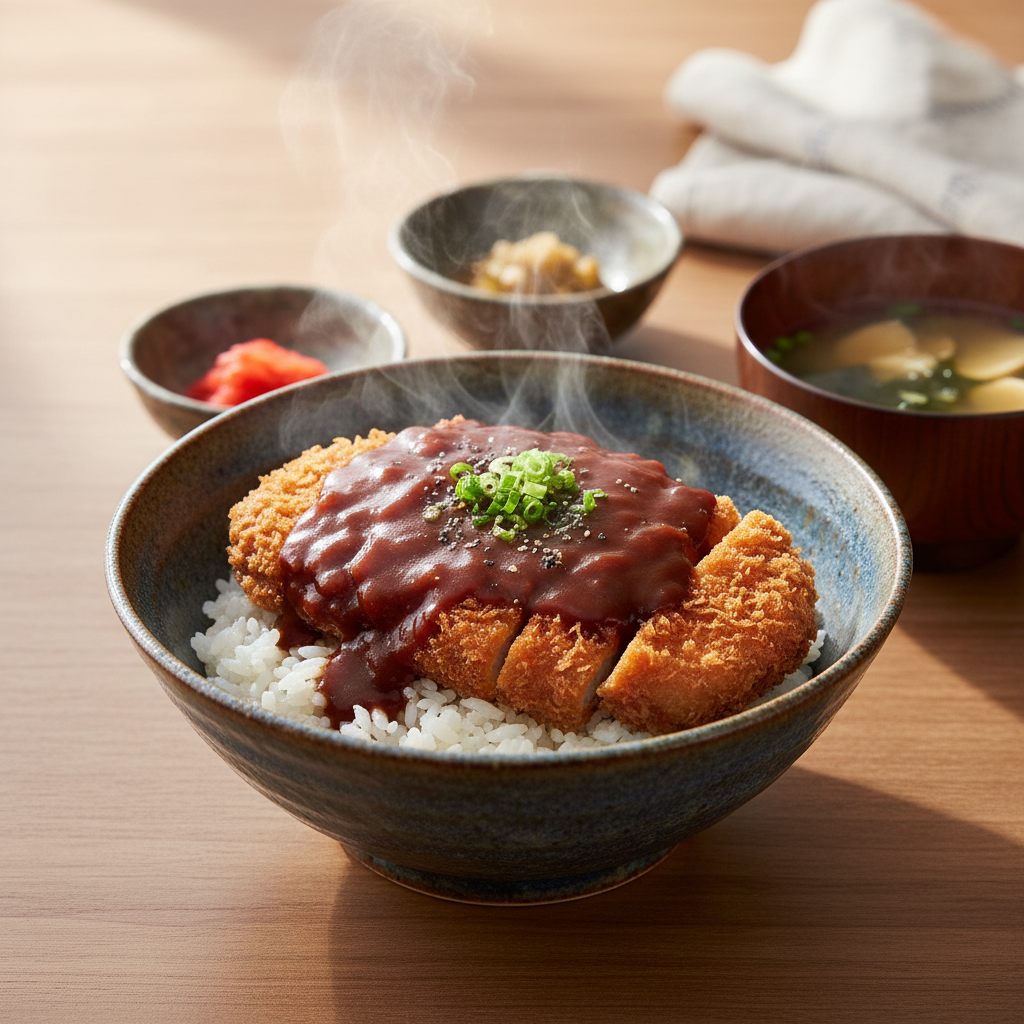

Takomeshi | A Complete Explanation of the History, How to Make, and Ways to Enjoy Okayama Prefecture’s Representative Local Dish
“Takomeshi,” known nationwide as a local dish representative of Okayama Prefecture, is a simple yet deeply flavorful dish that makes use of the abundant seafood bounty of the Seto Inland Sea. This cuisine, traditionally cherished especially in the Shimotui area of Kurashiki City, was born from the wisdom and ingenuity of fishermen and continues to be beloved today in local households and restaurants as a taste of tradition.
In this article, we will explain the charm of this local dish comprehensively, from its historical background to specific preparation methods and current efforts to preserve and pass down the tradition.
What is Takomeshi? An Overview of Okayama Prefecture’s Representative Local Dish
Takomeshi is a local dish made by simmering freshly cut octopus together with rice. Despite its simple cooking method, it is known as a deeply flavorful dish where the aroma of the sea spreads richly, and the distinctive texture and umami of octopus soak into each grain of rice.
Okayama Prefecture boasts top-class octopus catch volumes nationwide, and the octopus raised in the waters around Shimotui in Kurashiki City, where the tidal currents are particularly swift, is characterized by its distinctive firmness and solid texture. Takomeshi made using this high-quality octopus is positioned as a representative local dish that showcases the excellence of its ingredients.
Main Areas of Transmission
While takomeshi is known throughout Okayama Prefecture, it is particularly transmitted in the following areas:
- Shimotui Area of Kurashiki City: Said to be the birthplace of takomeshi, it is still made in many restaurants and households today
- Kojima Area of Kurashiki City: Adjacent to Shimotui, this is an area where takomeshi is often served at local events and festivals
- Coastal Areas of Okayama Prefecture in General: In areas facing the Seto Inland Sea, unique recipes are passed down in individual households
History, Origins, and Related Events | A Traditional Taste Cultivated by Fishermen
Origins and Historical Background
The origin of takomeshi is said to trace back to fishermen from Shimotui eating meals on their boats. Fishermen who went out to fish needed to quickly prepare nutritious meals from freshly caught octopus using limited materials and cooking methods.
In the limited environment of a boat, steamed rice made with octopus, rice, and soy sauce-based seasonings was the ideal meal for fishermen. Octopus is high in protein and effective for recovering from fatigue, and since it can be cooked all at once as a steamed rice dish, it was a meal that could be eaten efficiently during busy fishing times.
Food Culture Rooted in the Region
Over time, takomeshi that was eaten on boats spread to households on land and became established as a local dish of the Shimotui area. It is said that particularly in fishermen’s households, a custom developed where the husband would bring fresh octopus home from the boat and the wife would prepare takomeshi.
Today, takomeshi is often served at local events and festivals, and it is cherished as a dish symbolizing the region’s identity.
Related Events and Seasons
In the Shimotui area, various octopus-related events are held during spring through autumn when octopus fishing is active. Octopus caught in summer is said to be particularly delicious with firm flesh, and takomeshi made during this season has an exceptional flavor.
At events such as “Takofestivals” hosted by local fishing cooperatives and tourism associations, takomeshi is provided, and cooking contests for octopus dishes are also held, serving as an important opportunity to pass on the region’s food culture to the next generation.
Okayama Prefecture’s Octopus Catch Volume and Characteristics of Shimotui Octopus
Top-Class Catch Volumes Nationwide
Okayama Prefecture is known as one of Japan’s leading octopus producing areas. With the blessed fishing ground of the Seto Inland Sea, Okayama Prefecture has year-round catches of high-quality octopus and maintains top-class catch volumes nationwide.
In particular, the fishing port in the Shimotui area of Kurashiki City has long prospered as the center of octopus fishing. The “Shimotui octopus” landed in this region is highly regarded as a brand octopus.
Unique Characteristics of Shimotui Octopus
The reasons why Shimotui octopus is particularly excellent lie in the environment of the sea area:
Swift Tidal Currents: The waters off Shimotui are known for their particularly swift tidal currents in the Seto Inland Sea. Octopus raised in these swift tidal currents constantly swim against the water flow, which develops their muscles and results in firm, compact bodies.
Abundant Food: The swift tidal currents promote good seawater circulation, providing abundant plankton and small fish—the food sources for octopus. Octopus that grow eating plenty of high-quality food becomes rich in umami compounds and develops deep flavor.
Distinctive Firmness: Due to these environmental factors, Shimotui octopus has a distinctive firmness and elastic texture, and when cooked, the meat does not become overly hard but maintains an appropriate softness. This characteristic is cited as the reason why it is ideal for takomeshi.
Takomeshi Ingredients and Recipe | Making Authentic Flavor at Home
Ingredients (Serves 4)
Main Ingredients:
- Rice: 3 cups (450g)
- Boiled octopus (legs): 300-400g
- Carrot: 1 (about 150g)
- Green onion: as needed (for garnish)
Seasonings:
- Soy sauce: 3 tablespoons
- Sake: 2 tablespoons
- Mirin: 2 tablespoons
- Sugar: 1 teaspoon
- Dashi stock: as needed (adjust according to rice quantity)
- Ginger: 1 piece (optional)
How to Select Main Ingredients
Selecting Octopus: Use fresh boiled octopus. Choose one with suction cups that are firmly attached and flesh with elasticity. If using raw octopus, salt-rub it to remove slime, then boil it in boiling water for 5-10 minutes.
Selecting Rice: It is traditional to use rice from Okayama Prefecture, but any variety works well. For a slightly firmer finish, use a shorter soaking time.
Role of Carrot: Used to add color and sweetness. Shimotui fishermen traditionally preferred carrots because they store well and are easy to use on boats.
Preparation Method (Basic Recipe)
Preparation:
- Wash rice and soak for about 30 minutes, then drain in a colander
- Cut octopus into bite-sized chunks (larger chunks have more substance)
- Cut carrot into thin strips or rectangles
- If using ginger, cut into thin strips
- Cut green onion into rounds and prepare as garnish
Cooking Steps:
- Combine seasonings: In a bowl, mix soy sauce, sake, mirin, and sugar
- Add ingredients to rice cooker: Put rice in the inner pot of a rice cooker, add the combined seasonings, and pour dashi stock to the 3-cup mark
- Add ingredients: Place octopus, carrot, and ginger on top of the rice (do not mix at this point)
- Cook: Use the normal cooking mode. Once cooking is complete, steam for about 10 minutes
- Mix together: After steaming, use a rice paddle to mix from the bottom, distributing the ingredients evenly
- Serve: Transfer to rice bowls and sprinkle with green onion garnish to complete
Tips for Traditional Preparation
Fishermen’s Seasoning Style: Shimotui fishermen preferred simple, soy sauce-based seasoning. To maximize the umami of octopus, seasonings are kept modest in the traditional style.
Cutting the Octopus: Chunking preserves the texture of the octopus and creates a more substantial finish. Avoid cutting pieces too small.
Cooking Consistency: Cooking slightly firmer than usual creates good balance with the octopus texture. Using slightly less water than normal is the local method.
Eating Methods and Dining Occasions and Seasons
Traditional Ways of Eating
Takomeshi is most commonly eaten warm just after cooking. It is said that the peak flavor comes from freshly cooked takomeshi, where the aroma of the sea and the fragrant soy sauce rise up.
How to Eat at Home:
- As a main dish, eaten with miso soup and pickles
- As a one-dish meal that satisfies even without side dishes
- Since it remains delicious when cooled, it is also used in bento boxes
How Restaurants Serve It:
- As a set meal with small dishes and soup
- As part of an “all-takoyaki” menu combining with other octopus dishes like sashimi and fried octopus
- Served with local sake at many restaurants
Dining Occasions and Seasonality
Everyday Meals: In households in the Shimotui and Kojima areas, it is made regularly. Especially in fishermen’s households, it is frequently made when fresh octopus is available.
Special Occasions:
- A dish for entertaining family gatherings and guests
- A dish served at regional festivals and events
- As an item in lunch boxes for sports day or field trips
Peak Season: Octopus is caught year-round, but spring through autumn is the peak season. Summer octopus has particularly firm flesh and is considered ideal for takomeshi. However, delicious takomeshi can be made in winter as well, making it a dish that can be enjoyed regardless of season.
Current Preservation and Transmission Efforts
Regional Preservation Activities
Activities of Kurashiki City Nutrition Improvement Council: To pass on the region’s food culture to the next generation, the council conducts takomeshi cooking classes and promotes local cuisine. Efforts are being made to include takomeshi in school lunches, providing opportunities for children to experience local flavors.
Fishing Cooperative Efforts: The Shimotui Fishing Cooperative promotes sustainable fishing while advancing the quality management of octopus and the popularization of takomeshi and other octopus dishes. At their directly-managed cafeteria and sales outlets, takomeshi is served alongside fresh octopus.
Transmission Through Restaurants
Centered in the Kojima area of Kurashiki City, many restaurants have incorporated takomeshi into their menus. Long-established restaurants have unique recipes passed down through generations, allowing guests to enjoy the distinct flavor of each restaurant.
Tourist-oriented restaurants explain the origins of takomeshi and the characteristics of Shimotui octopus, making efforts to communicate the value of the local dish.
Commercialization and Modern Efforts
Retort and Frozen Products: Retort packs and frozen products have been developed so that takomeshi can be easily enjoyed at home. They are available at Okayama Prefecture antenna shops and online retailers, bringing Okayama’s flavors to people outside the prefecture.
Rice Bowl Seasoning Mix: “Takomeshi seasoning,” which creates authentic takomeshi when cooked with rice, is also sold, allowing busy modern households to recreate the traditional flavor.
SNS Use and Information Sharing
In recent years, local restaurants and tourism associations have been using SNS to disseminate the appeal of takomeshi. Posting beautiful photos and videos of plating, recipe videos, and scenes of octopus fishing is spreading awareness among younger generations and people from other prefectures.
On Instagram and YouTube, many posts can be found using hashtags like “#takomeshi” and “#shimotui takopus,” contributing to increased recognition as a local dish.
Use as a Tourism Resource
In Okayama Prefecture and Kurashiki City’s tourism promotion, takomeshi is positioned as an important food tourism resource. Tourism routes to the Shimotui area include restaurants where takomeshi can be eaten and facilities where octopus fishing can be viewed, with food and culture experience-based tourism being promoted.
Environmental improvements are progressing, such as creating “takomeshi maps” and compiling lists of restaurants serving takomeshi, making it easy for tourists to enjoy takomeshi.
Places to Enjoy Takomeshi and Access
Shimotui and Kojima Areas of Kurashiki City
In the Shimotui area, the birthplace of takomeshi, there are restaurants scattered throughout serving traditional takomeshi. Located at the base of the Seto Bridge in a scenic port town, you can enjoy takomeshi alongside fresh seafood delicacies.
Access: About 20 minutes by bus from JR Kojima Station toward Shimotui, or about 15 minutes by car
Restaurants in Okayama City
In the Okayama Station area and downtown, there are restaurants serving Okayama Prefecture’s local cuisine with many incorporating takomeshi into their menus. You can easily enjoy it when visiting for tourism or business.
Product Halls and Antenna Shops
At facilities handling Okayama Prefecture products such as “Hare no Kuni Okayama-kan,” you can purchase frozen and retort takomeshi products. It is popular as a souvenir, allowing you to enjoy Okayama’s flavors at home.
Takomeshi Arrangements and Ways to Enjoy It
Arrangement Recipes to Enjoy at Home
Ginger-Enhanced Fragrant Takomeshi: Adding more ginger creates a refreshing flavor that is easier to eat even in summer.
Healthy Vegetable-Rich Takomeshi: Adding burdock root and shiitake mushrooms along with carrot creates a nutrient-rich, health-conscious dish.
Western-Style Butter-Flavored Takomeshi: Adding a small amount of butter after cooking increases richness and becomes popular with children.
Combinations with Other Local Dishes
Takomeshi can also be enjoyed in combination with other local dishes of Okayama Prefecture. By placing it on the table alongside pickled Japanese smelt or Okayama’s famous festival sushi, you can experience Okayama’s food culture more deeply.
Conclusion: The Food Culture of Okayama That Takomeshi Conveys
Takomeshi was born in the Shimotui area of Kurashiki City, Okayama Prefecture, and was cultivated from the wisdom and ingenuity of fishermen as a local dish. The distinctive firmness and umami of Okayama Prefecture’s octopus, which boasts top-class catch volumes nationwide—particularly the octopus raised in the swift tidal currents of the Shimotui sea area—are maximized through a simple cooking method, and the dish continues to be loved by many people today.
From its origins as a boat meal, to home cooking, and now utilization as a tourism resource, the dish has changed form with the times, yet its essential deliciousness and connection to the region remain unchanged through generations.
Not only is it made regularly in local households and restaurants, but through preservation and transmission efforts by the Kurashiki City Nutrition Improvement Council, fishing cooperatives, and tourism associations, as well as modern information sharing via SNS, takomeshi is being reliably passed on to future generations.
When you visit Okayama Prefecture, please be sure to try authentic takomeshi. And why not also recreate this local dish at home using the recipe introduced in this article? Takomeshi, rich with the fragrance of the sea and filled with the tradition of fishermen, will surely bring new flavors and discoveries to your dinner table.