Shottsuru Nabe: A Thorough Explanation of the Appeal and History of Akita Prefecture’s Representative Winter Regional Cuisine
Shottsuru nabe, a regional winter dish representative of Akita Prefecture, is a unique hot pot cuisine born from the blessings of the Japan Sea and traditional fermentation techniques. Using the prefectural fish hatahata and Akita’s traditional fish sauce “shottsuru,” this dish has long been cherished by local people as a representative piece of Akita’s food culture.
What is Shottsuru Nabe?
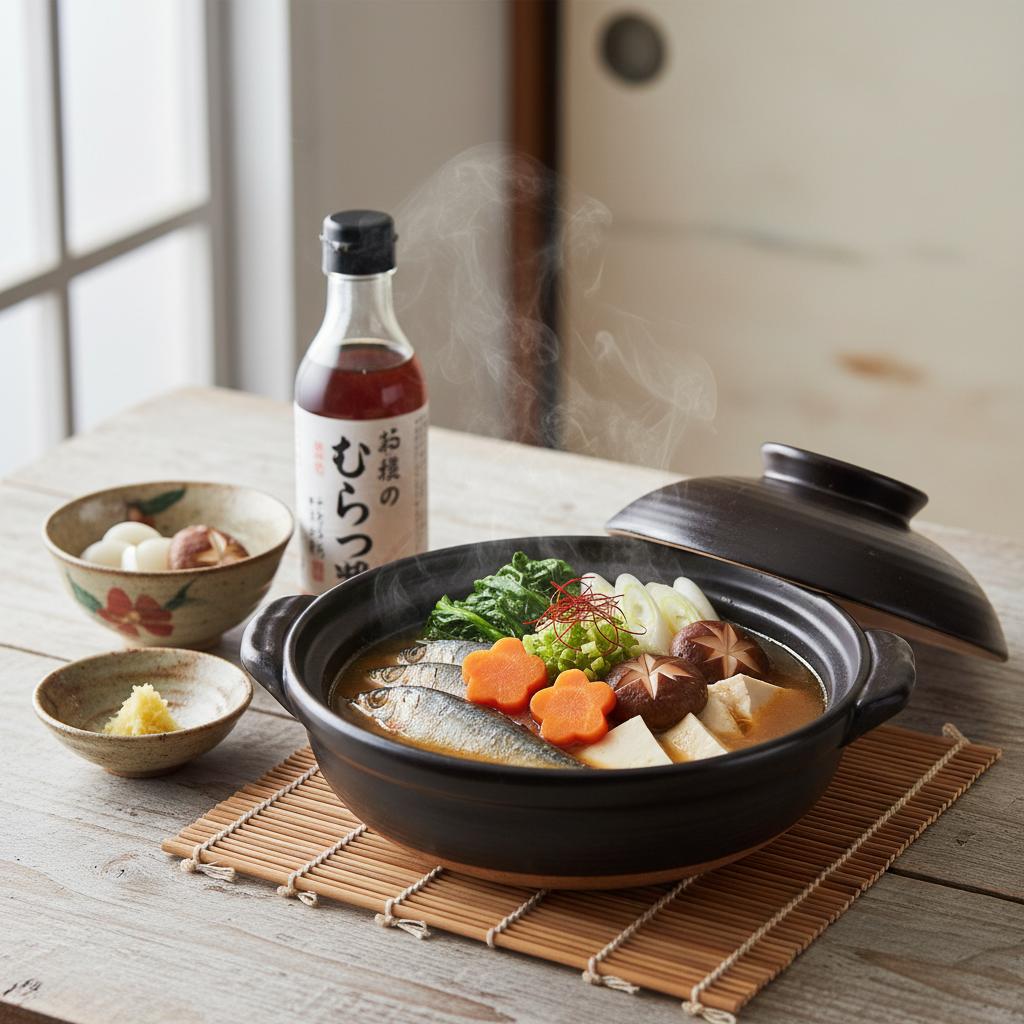
Shottsuru nabe is a hot pot dish that uses “shottsuru (salted fish broth),” a fish sauce passed down since ancient times in Akita Prefecture, as the base for the broth, with hatahata as the main ingredient. Characterized by the deep umami and rich flavor unique to fish sauce, it is enjoyed as an essential regional dish on Akita’s winter dining tables.
The name “shottsuru” is said to have come from the corruption of “shio-uojiru (salted fish broth).” This fish sauce, like Thai nam pla or Vietnamese nuoc mam, is a seasoning made by fermenting fish, and is one of Japan’s traditional fermented foods.
Manufacturing Method and Characteristics of Shottsuru (Fish Sauce)
How Shottsuru is Made
Shottsuru is made primarily from small fish such as hatahata and sardines. In the traditional method, it is completed through the following process:
- Preparation of ingredients: Mix fresh hatahata with salt (ratio of fish to salt approximately 3:1)
- Marinating: Layer the fish and salt in a barrel and place a weight on top
- Fermentation and aging: Allow to ferment slowly over one year or more
- Filtering: Once fermentation progresses and the fish dissolves, filter through cloth and extract the supernatant
- Aging: Let sit for several more months to stabilize the flavor
Flavor and Characteristics of Shottsuru
Shottsuru is a seasoning with a distinctive aroma and richness. It contains abundant amino acids, the umami components of fish, and can add deep flavor to dishes with just a small amount. While it has a strong flavor on its own, when added to hot pot broth it develops a mellow richness, and pairs excellently with vegetables and tofu.
In Akita Prefecture, there is a history of using it as a substitute for soy sauce in various dishes, making it a seasoning deeply rooted in the region’s food culture.
Main Ingredients and Preparation of Shottsuru Nabe
Ingredients (Serves 4-5)
Main ingredients
- Hatahata: 8-10 fish (females with roe are especially recommended)
- Chinese cabbage: 1/4 head
- Welsh onions: 2
- Japanese parsley: 1 bunch
- Chrysanthemum leaves: 1 bunch
- Shiitake mushrooms: 4-6
- Enoki mushrooms: 1 bag
- Tofu (firm or silken): 1 block
- Shirataki noodles: 1 bag
Broth
- Water: 1000ml
- Shottsuru: 3-4 tablespoons (adjust while tasting)
- Sake: 2 tablespoons
- Mirin: 1 tablespoon
- Kombu seaweed: 1 piece (10cm square)
Preparation Method
- Preparation: Remove the internal organs from hatahata and rinse quickly with water. Cut vegetables into bite-sized pieces. Cut tofu into bite-sized pieces.
- Preparing the broth: Place water and kombu in a pot and let sit for about 30 minutes, then heat. Remove the kombu just before boiling.
- Seasoning: Add shottsuru, sake, and mirin to adjust the taste. Add shottsuru in small amounts and adjust while tasting.
- Cooking the ingredients: First add vegetables that take longer to cook, such as the core of Chinese cabbage. Next add hatahata, tofu, and other vegetables.
- Finishing: Once the ingredients are cooked through, add aromatic vegetables such as Japanese parsley and chrysanthemum leaves at the end to complete.
Cooking Tips
- Hatahata becomes firm if overcooked, so eat it soon after it’s cooked through
- Adjust the amount of shottsuru to your preference. It’s best to start with a small amount and add more as needed to avoid mistakes
- To enjoy the crispy texture of hatahata roe (buri-ko), select fish with roe
- Using Akita’s local vegetables will result in a more authentic flavor
Hatahata: The Appeal of Akita’s Prefectural Fish
Characteristics of Hatahata
Hatahata (Arctoscopelus japonicus) is a deep-sea fish designated as Akita Prefecture’s prefectural fish. It is a small fish about 15-20cm in length with a beautiful silvery-white body. The fishing season peaks from November to December when it migrates to shallow waters off Akita for spawning.
Waters off Akita are known as Japan’s most productive hatahata fishing grounds, and the fish has long supported the regional economy as an important marine resource.
Buri-ko (Hatahata Roe)
Hatahata roe is called “buri-ko” and is characterized by its unique crispy texture. The translucent roe is beautiful to look at and is an essential ingredient in shottsuru nabe. This texture of buri-ko and its refined flavor are among the major appeals of shottsuru nabe.
History and Origins of Shottsuru Nabe
Historical Background
The history of shottsuru nabe is deeply connected to Akita’s fishing industry and fish sauce culture. Fish sauce has been made in Akita Prefecture since before the Edo period and was valued as a preserved food and seasoning.
In an era without refrigeration technology, fish sauce production developed as a method to preserve the large quantities of hatahata that were caught. It is said that shottsuru nabe was born from cooking using this fish sauce.
Position in the Region
In coastal Akita Prefecture, particularly in areas surrounding the Oga Peninsula and Noshiro City where fishing is active, shottsuru nabe has been enjoyed as a standard winter dish. From November to December when hatahata fishing reaches its peak, shottsuru nabe appears frequently on dining tables in homes throughout the region.
Occasions and Seasons for Eating
Peak Season
The ideal time for shottsuru nabe is from November to December when hatahata fishing opens. Hatahata during this period is rich in fat, and females especially carry roe, allowing one to enjoy buri-ko.
As Akita’s winters bring severe cold, shottsuru nabe as a hot pot dish to warm the body has become essential to winter dining tables.
Eating Occasions
- Home dining tables: As a regular dinner
- Year-end and New Year: When families gather
- Regional events: At gatherings of fishing-related professionals and regional festivals
- For tourists: As a regional dish for visitors to Akita
How to Eat and Enjoy
Eating Tips
Shottsuru nabe is typically eaten by serving a little at a time while the dish cooks. First enjoy the hatahata flesh and the texture of buri-ko, then savor vegetables and tofu together with the broth infused with shottsuru’s flavor.
How to Enjoy the Finish
In Akita style, the “finish” to the hot pot is enjoyed in the concentrated umami-rich broth.
- Udon: Add Inaniwa udon for an Akita-style finish
- Zosui (rice porridge): Add rice and egg to fully savor the fish’s umami
- Ramen: More and more households now add Chinese noodles
Compatible Alcoholic Beverages
Shottsuru nabe pairs well with Akita’s local sake. In particular, warmed junmai (pure rice) sake or hon-jozo sake harmonizes with the fish sauce’s flavor and further enhances the dish’s taste.
Major Traditional Regions and Modern Initiatives
Major Traditional Regions
Shottsuru nabe is eaten throughout Akita Prefecture, but is particularly active in the following areas:
- Oga City: As the center of hatahata fishing, the most traditional shottsuru nabe is passed down
- Noshiro City: With active fishing and shottsuru production
- Akita City: As the prefectural capital, shottsuru nabe is offered at many restaurants
- Yurihonjo City: Hatahata fishing is conducted in coastal areas and the dish is established as a regional specialty
Preservation and Inheritance Efforts
Inheriting Tradition
Akita Prefecture is making efforts to inherit regional dishes including shottsuru nabe. By incorporating shottsuru nabe into school lunches at elementary and junior high schools and holding cooking classes, efforts are being made to pass it on to younger generations.
Commercialization Efforts
In recent years, the following products have been commercialized to allow households to easily enjoy shottsuru nabe:
- Shottsuru nabe sets: Products with ingredients and shottsuru included
- Shottsuru seasoning: Easy-to-use small bottles of shottsuru
- Retort products: Shottsuru nabe that can be enjoyed by simply heating
- Frozen hatahata: Frozen processed products that can be enjoyed outside peak season
Utilization as a Tourism Resource
In Akita Prefecture’s tourism PR, shottsuru nabe is positioned as an important regional dish alongside kiritanpo nabe. More restaurants for tourists are offering shottsuru nabe year-round, expanding opportunities to experience Akita’s food culture.
Information Sharing on SNS
Local restaurants and producers are promoting the appeal of shottsuru nabe through SNS. By posting cooking videos, food reviews, and scenes of hatahata fishing, active efforts are being made to generate interest among younger generations and people outside the prefecture.
Differences from Other Akita Regional Hot Pots
Akita Prefecture has other representative regional hot pots besides shottsuru nabe.
Kiritanpo Nabe
A hot pot dish with Hinai-jidori chicken broth into which “kiritanpo,” rice pounded with a mortar and shaped into sticks, is added. With soy sauce-based seasoning, it is simmered together with vegetables such as burdock and Japanese parsley. It is known nationwide as a representative Akita regional dish.
Damakko Nabe
Similar to kiritanpo nabe, but characterized by adding “damakko,” rice formed into balls. It is enjoyed as a more homestyle dish than kiritanpo nabe.
Compared to these hot pots, shottsuru nabe’s greatest feature is the use of fish sauce, allowing one to enjoy the unique flavor of fish and seafood umami to the fore.
Famous Restaurants Serving Shottsuru Nabe
Numerous restaurants throughout Akita Prefecture offer authentic shottsuru nabe.
In Akita City
Restaurants specializing in regional cuisine are concentrated around Akita Station and the Kawaberi district. Many offer kiritanpo nabe as well, allowing one to enjoy Akita’s regional dishes at once.
Oga Peninsula
On the Oga Peninsula, the heartland of hatahata fishing, authentic shottsuru nabe using fresh hatahata can be enjoyed. Food stalls and inns near the fishing port offer locally authentic flavors.
Noshiro City
Noshiro City is also a region with active hatahata fishing where shottsuru is produced. Local food stalls allow one to enjoy hot pot made with shottsuru produced using traditional methods.
Tips for Making at Home and Adaptations
Tips for Beginners
Since shottsuru has a distinctive flavor, it is recommended to start conservatively when using it for the first time. Some start by mixing store-bought mentsuyu half and half, gradually becoming accustomed to it.
Modern Adaptations
Adaptations incorporating modern ingredients and cooking methods based on traditional shottsuru nabe are also popular.
- Western adaptation: Add tomato and olive oil for an Italian style
- Korean adaptation: Add kimchi or gochujang for a spicy kick
- Thai adaptation: Add lemongrass or cilantro for an ethnic style
- Ingredient variations: Add other seafood such as cod, salmon, or scallops
Diverse Uses of Shottsuru
Shottsuru is a versatile seasoning that can be used in various dishes besides hot pot.
- Stir-fries: For seasoning vegetable stir-fries and yakisoba
- Simmered dishes: As a secret ingredient in fish simmered dishes and nikujaga
- Pasta: In Japanese-style pasta sauce
- Fried rice: Used in place of soy sauce for deeper flavor
- Dressing: Mixed with olive oil for salad
Nutritional Value and Health Benefits
Shottsuru nabe is a nutritionally balanced and healthy dish.
Main Nutrients
- Protein: Quality protein can be obtained from hatahata
- Amino acids: Abundant amino acids contained in shottsuru are the source of umami
- Vitamins and minerals: Diverse vitamins and minerals are obtained from vegetables
- Dietary fiber: Abundant dietary fiber from vegetables and mushrooms
- DHA and EPA: Healthy fatty acids from blue fish hatahata
Effects as a Fermented Food
Shottsuru is a fermented food, and components generated during fermentation are expected to aid in digestion and absorption, and improve intestinal environment.
Summary: The Appeal of Shottsuru Nabe
Shottsuru nabe is a regional dish in which the rich blessings of Akita Prefecture’s sea and fermentation techniques nurtured by predecessors are fused together. The combination of hatahata’s umami, shottsuru’s deep richness, and fresh vegetables’ sweetness is loved by many people today as a taste symbolizing Akita’s winter.
While preserving tradition, product development suited to modern lifestyles and active information sharing have made shottsuru nabe acceptable to new generations. When visiting Akita, be sure to taste authentic shottsuru nabe and experience its unique flavor and historical depth.
Additionally, using commercially available shottsuru allows one to enjoy authentic shottsuru nabe at home. The time spent around a warm hot pot with family and friends while experiencing Akita’s food culture will surely enrich a cold winter night.