Complete Guide to Matsusaka Beef Sukiyaki | The Charm and How to Enjoy Mie Prefecture’s Premier Local Cuisine
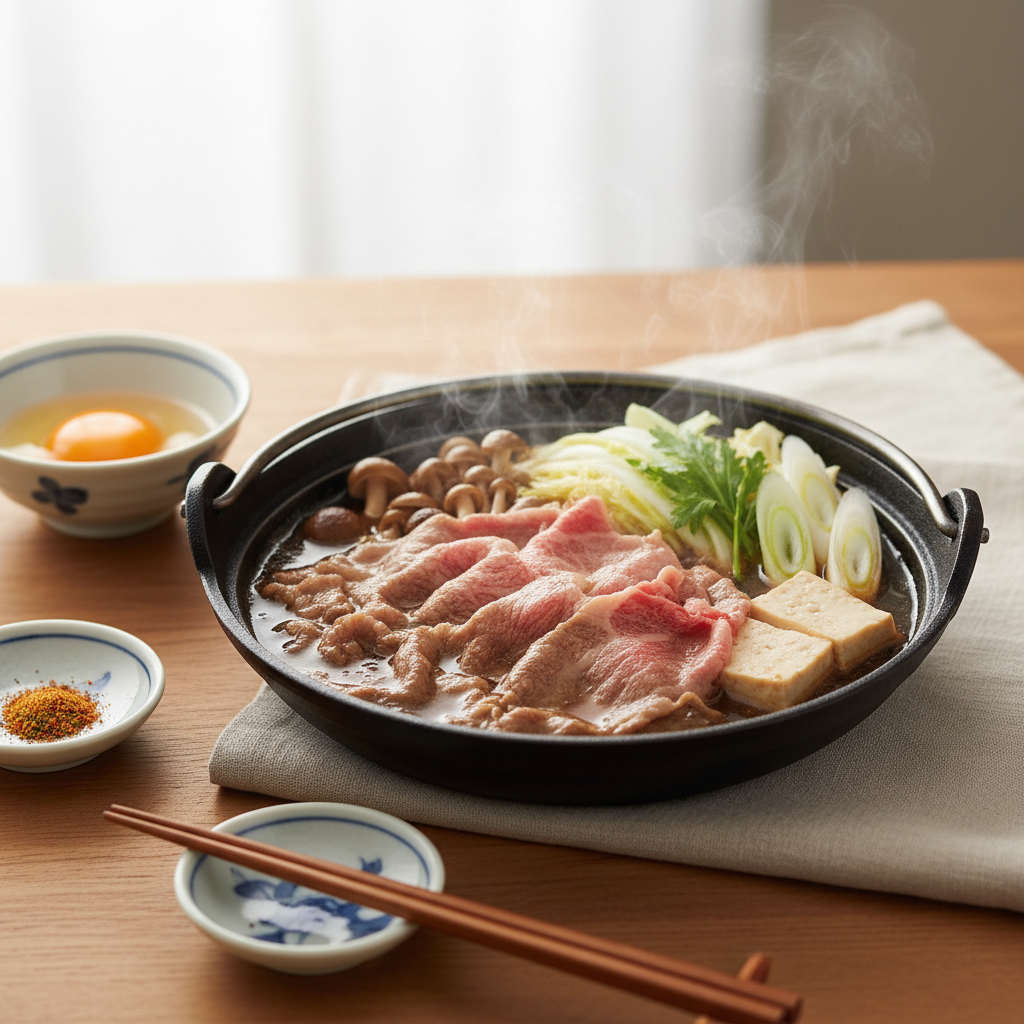
Matsusaka beef, which Mie Prefecture proudly presents to the world, is known as one of Japan’s three finest wagyu breeds, and sukiyaki is its ultimate way to savor it. Its finely detailed marbling, aromatic fragrance, and melting texture on the palate create an unforgettable blissful experience. This article provides a detailed introduction to Matsusaka beef sukiyaki, from its history and characteristics to how to enjoy it in its home region.
What is Matsusaka Beef? Essential Knowledge About Japan’s Premier Brand Cattle
The Definition and Strict Standards of Matsusaka Beef
Matsusaka beef refers to virgin female black Wagyu cattle raised in the Matsusaka city area and surrounding regions of Mie Prefecture. However, to be certified as Matsusaka beef, it must meet strict criteria.
Matsusaka Beef Certification Standards:
- Must be a virgin female black Wagyu
- Must be registered in the Matsusaka Beef Individual Identification Management System
- The final and longest fattening period must occur in the Matsusaka beef production area (former 22 municipalities)
- Must be introduced to the Matsusaka beef production area by 12 months of age, with movement thereafter limited to within the production area
These rigorous standards protect the brand value and quality of Matsusaka beef.
The History and Cultural Background of Matsusaka Beef
The history of Matsusaka beef dates back to the Edo period. At that time, cattle raised for agricultural work began to gain attention as food during the Meiji period’s modernization.
In 1935 (Showa 10), Matsusaka beef won the grand prize at the National Meat and Livestock Exposition held in Tokyo, gaining nationwide recognition. This achievement led to its evaluation as “the art of meat,” and it subsequently established its position as a high-end brand representing Japan.
The warm climate and rich natural environment of Mie Prefecture, combined with the careful and affectionate husbandry practices of producers, have created Matsusaka beef’s superior quality.
Characteristics of Matsusaka Beef: Why Is It So Delicious?
The reason Matsusaka beef stands apart from other wagyu lies in its unique meat quality.
Main Characteristics of Matsusaka Beef:
- Finely Detailed Marbling: The muscle fibers are fine, with fat evenly interspersed throughout, creating beautiful marbling. This marbling produces both tenderness and umami.
- Low-Melting-Point Fat: Matsusaka beef’s fat begins to melt at around body temperature, allowing for a melting sensation the moment it enters the mouth.
- Aromatic Fragrance: When heated, a sweet and aromatic fragrance rises, stimulating the appetite. This aroma is unique to Matsusaka beef.
- Deep Umami: Rich in umami components such as amino acids and inosinate, offering a concentrated, flavorful taste.
- Tender Texture: With fine muscle fibers, it is exceptionally tender, with umami spreading as you chew.
These characteristics combine to create the exquisite taste that earns Matsusaka beef the title “art of meat.”
Why Sukiyaki Is the Ultimate Way to Savor Matsusaka Beef
The Compatibility Between Sukiyaki and Matsusaka Beef
Among the various cooking methods, why is sukiyaki said to bring out the full charm of Matsusaka beef?
Reasons Why Sukiyaki Is Ideal:
- Enhances the Marbling’s Umami: Through sukiyaki’s moderate heat, the marbling’s fat melts, distributing umami throughout the meat. Unlike high-temperature grilling in steak preparation, the sweetness and aroma of fat can be enjoyed to the fullest.
- Harmony with the Warishita Broth: The warishita made from soy sauce, sugar, and mirin complements Matsusaka beef’s umami. The sweet-savory seasoning matches perfectly with the fat’s sweetness.
- Compatibility with Egg: Dipping in beaten egg cools the meat slightly, creating a smoother mouthfeel. The egg’s richness further enhances the meat’s umami.
- Combination with Vegetables: Cooking with ingredients like green onions, chrysanthemum greens, tofu, and shirataki noodles creates variation in flavor, preventing boredom throughout the meal.
- Sharing Among Family and Friends: Sukiyaki is a hot pot dish enjoyed by multiple people gathered together. It becomes a memorable experience, especially on special occasions.
Kansai-Style vs. Kanto-Style: Which Suits Matsusaka Beef?
There are two sukiyaki cooking methods: Kansai-style and Kanto-style. In Matsusaka, Mie Prefecture where Matsusaka beef originates, Kansai-style is the mainstream.
Kansai-Style Sukiyaki (Grilling):
- Heat the pot and spread beef fat, then grill meat directly
- Season the meat by applying sugar and soy sauce directly
- Add vegetables and simmer
- Grilling the meat’s surface creates a savory flavor
Kanto-Style Sukiyaki (Simmering):
- Add warishita to the pot from the start
- Simmer meat and vegetables together
- Creates uniform seasoning throughout
For Matsusaka beef, the Kansai-style method of “grilling then simmering” is said to maximize the meat’s savory aroma and marbling umami. However, both methods produce delicious results, so choose according to your preference.
The Appeal of Matsusaka Beef Sukiyaki Enjoyed in Mie Prefecture
Matsusaka Beef Culture in Mie Prefecture
Mie Prefecture, particularly Matsusaka City, takes great pride in its long history as a Matsusaka beef production area. The city contains numerous Matsusaka beef specialty shops that serve sukiyaki and various other dishes featuring Matsusaka beef.
Each November, Matsusaka City hosts the “Matsusaka Beef Cattle Competition,” where superior Matsusaka cattle compete. This traditional event, continuing since 1949, sees grand prize winners sometimes valued at tens of millions of yen.
For local residents, Matsusaka beef is a special occasion dish, with a tradition of eating it at weddings, funerals, and family anniversaries. Loved not only by tourists but also by local people, it is a source of regional pride.
Renowned Restaurants Serving Matsusaka Beef Sukiyaki
Mie Prefecture has many renowned restaurants serving Matsusaka beef sukiyaki. Here we introduce some representative establishments.
Characteristics of Long-Established Specialty Shops:
- Wada Kin (Wada Kinchin)
- Established in Meiji 11, the oldest of the old establishments
- Famous for sukiyaki courses
- Traditional tatami seating dining experience
- Uses only carefully selected Matsusaka beef
- A popular restaurant requiring reservations
- Ushigin Main Branch
- Established in Meiji 35, an old establishment
- Well-known as a sukiyaki specialty shop
- Waitresses prepare dishes in front of guests
- Continues to uphold traditional flavors
- Kakiyasu Main Branch
- Established in Ansei 1, an old establishment
- Offers extensive sukiyaki courses
- Also sells Matsusaka beef
- Renowned for high-quality service
At these established restaurants, you can enjoy not just delicious Matsusaka beef but a comprehensive “Matsusaka beef sukiyaki experience” that includes traditional atmosphere and heartfelt hospitality.
Etiquette and Ways to Enjoy When Eating in the Original Location
Enjoying Matsusaka beef sukiyaki in its home region becomes even more fulfilling when you understand a few key points.
Tips on How to Eat:
- Reservations Are Essential: Most popular restaurants cannot accommodate walk-ins. We recommend making advance reservations, especially on weekends and during tourist season.
- Cherish Your First Slice: Eat the first slice of meat with simple seasoning to purely appreciate Matsusaka beef’s taste.
- Listen to Your Server’s Explanation: At most specialty shops, staff members prepare your dishes. Pay attention to their explanations to learn that restaurant’s unique dining approach.
- Avoid Overcooking: Due to Matsusaka beef’s abundant marbling, overcooking causes fat to drip away. Ideal is a light color change.
- Enjoy the Vegetables Too: Vegetables that have absorbed the meat’s umami are excellent. Eating a balanced combination allows you to enjoy the meal until the end.
- Savor the Finale: Some restaurants prepare udon or risotto using the remaining warishita. This finale, infused with the meat’s umami, is exceptional.
The Art of Enjoying Matsusaka Beef Sukiyaki at Home
How to Select and Purchase Matsusaka Beef
When enjoying Matsusaka beef sukiyaki at home, first obtaining high-quality Matsusaka beef is essential.
Checklist When Purchasing:
- Verify the Certificate: Authentic Matsusaka beef comes with a Matsusaka beef certificate. You can trace the individual identification number, providing reliable proof.
- Check the Marbling’s Condition: Finely and evenly distributed marbling is ideal. Choose meat with white fat and vivid red coloring.
- Select Your Purchase Source:
- Specialty shops or department stores in Mie Prefecture
- Certified online shops
- Shops recommended on the official Matsusaka Beef Consortium website
- Choose Your Cut:
- For sukiyaki, shoulder loin, rib loin, and sirloin are appropriate
- You can select a cut according to your budget
- For first-timers, well-balanced rib loin is recommended
- Slice Thickness: Sukiyaki-use meat is ideally sliced to 2-3mm thickness. Having a specialty shop slice it is best.
How to Prepare Delicious Sukiyaki
Here we present the basic steps for making Matsusaka beef sukiyaki at home.
Ingredients (Serves 4):
- Matsusaka beef sukiyaki-cut meat: 600-800g
- Beef fat: as needed
- Japanese green onion: 2 stalks
- Chrysanthemum greens: 1 bunch
- Grilled tofu: 1 block
- Shirataki noodles: 1 package
- Shiitake mushrooms: 4-6
- Eggs: 4
Warishita Broth Ingredients:
- Soy sauce: 100ml
- Mirin: 100ml
- Sugar: 3-4 tablespoons
- Sake: 50ml
- Water: 100ml
Cooking Steps:
- Preparation
- Cut vegetables into bite-sized pieces
- Parboil shirataki noodles and remove any grit
- Mix warishita ingredients together
- Beat eggs and prepare in individual serving bowls
- Grill the Meat (Kansai-Style)
- Heat the sukiyaki pot and spread melted beef fat throughout
- Spread several slices of Matsusaka beef and grill
- Once the meat’s surface is slightly cooked, apply sugar and soy sauce directly
- After light grilling, remove and dip in beaten egg to eat
- Add Vegetables
- Add warishita to the pot with remaining meat juices
- Add vegetables, tofu, and shirataki noodles and simmer
- Eat items as they cook
- Add More Meat
- Add more meat along with vegetables
- Be careful not to overcook
- Dip in beaten egg to eat
- Adjust Flavor
- If the taste becomes mild midway, adjust with soy sauce or sugar
- If it becomes too strong, add water or sake
Keys to Success:
- Remove meat from refrigeration and bring to room temperature before use
- Add ingredients gradually rather than all at once
- Cook over medium heat rather than high heat, slowly
- Remove meat immediately after color changes (avoid overcooking)
- Consider water from vegetables when adjusting warishita quantity
Side Dishes and Finishing Dishes That Complement Sukiyaki
Here we introduce side dishes and finishing dishes to enhance your sukiyaki enjoyment.
Recommended Side Dishes:
- White Rice: Placing a small amount of warishita on rice is excellent.
- Pickled Vegetables: Refreshes the palate. Particularly recommended are Chinese cabbage pickles and red pickled plum pickles.
- Clear Soup: Provides a palate cleanser during the sukiyaki’s rich flavors.
Finishing Dish Variations:
- Udon: Add udon to the remaining warishita and simmer. Udon infused with meat umami is exceptional.
- Risotto: Add rice to create risotto. Adding beaten egg for a fluffy finish is delicious.
- Rice Cakes: Simmering mochi in the broth is also recommended. The chewy texture pairs perfectly with the sweet-savory warishita.
Matsusaka Beef Sukiyaki and Japanese Food Culture
The History and Cultural Significance of Sukiyaki
Sukiyaki developed alongside Japan’s modernization. Until the Edo period, beef consumption was uncommon in Japan due to Buddhist influence, but the Meiji period’s modernization brought beef-eating culture.
The name “sukiyaki” has various theories about its origin, but the prevailing one suggests it comes from using a “suki” (plow), an agricultural tool, as a cooking pot.
Though it began as common folk cuisine, sukiyaki gradually established itself as high-class dining. Sukiyaki made with premium wagyu like Matsusaka beef especially became established as a special occasion dish.
Matsusaka Beef Sukiyaki as Local Cuisine
Matsusaka beef sukiyaki is not merely a dish but embodies Mie Prefecture’s culture and history.
Characteristics as Local Cuisine:
- Regional Pride: Matsusaka beef is a source of Mie prefectural pride, and sukiyaki, its ultimate expression, forms part of the region’s identity.
- Spirit of Hospitality: Serving Matsusaka beef sukiyaki to valued guests represents the highest welcome expression.
- Intergenerational Transmission: Established restaurant flavors and cooking methods are passed down through generations.
- Economic Contribution: The Matsusaka beef industry is a vital economic pillar generating significant employment.
- Tourism Resource: Many domestic and international tourists visit specifically to enjoy Matsusaka beef sukiyaki.
The Significance of Eating on Special Occasions
Matsusaka beef sukiyaki is positioned as a special occasion dish rather than everyday food.
Examples of Special Occasions:
- Birthdays and anniversaries
- Celebration of passing exams or starting new jobs
- Wedding anniversaries
- Family gatherings
- Entertaining valued guests
Eating on such occasions makes the memory of that day more deeply meaningful. Additionally, gathering around a hot pot strengthens bonds among family and friends.
Though expensive, it provides deliciousness and an experience worthy of its cost—this is Matsusaka beef sukiyaki.
The Health Aspects and Nutritional Value of Matsusaka Beef Sukiyaki
Nutritional Components of Matsusaka Beef
Matsusaka beef is not only delicious but also nutritionally excellent.
Primary Nutritional Components:
- High-Quality Protein: An essential nutrient for building muscles, organs, and skin. Matsusaka beef contains abundant animal-based protein with high absorption rates.
- Essential Amino Acids: Contains all nine essential amino acids in balanced proportions, which the body cannot synthesize.
- Iron: Rich in heme iron, important for anemia prevention. This type of iron has higher absorption rates than plant-based iron.
- B-Complex Vitamins: Contains vitamins B1, B2, B12, and others necessary for energy metabolism.
- Zinc: A mineral essential for maintaining immune function and normal taste sensation.
- Oleic Acid: Matsusaka beef’s fat contains abundant oleic acid, an unsaturated fatty acid also found in olive oil. Research suggests it reduces bad cholesterol.
Tips for Eating Healthily
While sukiyaki is delicious, the eating method can make it high-calorie and high-fat. Here are tips for enjoying it healthfully.
Tips for Healthy Enjoyment:
- Abundant Vegetables: Aim for roughly equal amounts of meat and vegetables, emphasizing fiber-rich vegetables.
- Appropriate Portions: Due to Matsusaka beef’s high fat content, about 100-150g per person is appropriate.
- Eat Slowly: Chewing thoroughly and eating slowly increases satisfaction and prevents overeating.
- Reduce Sugar in Warishita: Decreasing sugar in the broth reduces calories.
- Balance Your Next Day’s Meals: After eating sukiyaki, balance by eating light, vegetable-centered meals the following day.
- Moderate Alcohol: Limit alcohol consumption paired with sukiyaki.
Current Trends Surrounding Matsusaka Beef Sukiyaki
International Interest and Exports
In recent years, Matsusaka beef has received high evaluation overseas, with increasing exports.
Popularity Overseas:
- Asian nations including Hong Kong, Singapore, and Thailand
- High-end restaurants in America and Europe
- Premium gift items for the wealthy
High-end overseas restaurants serve “MATSUSAKA BEEF,” where it is recognized as a food representing Japanese food culture. Sukiyaki especially is often introduced as a representative Japanese cooking method.
Sustainability Initiatives
Matsusaka beef producers undertake various initiatives aiming for sustainable livestock farming.
Main Initiatives:
- Environmentally Conscious Raising: Proper waste disposal and composting reduce environmental impact.
- Animal Welfare: Reducing cattle stress and raising them healthfully achieves both quality improvement and animal welfare.
- Local Resource Utilization: Using locally produced feed promotes regional economic circulation.
- Thorough Traceability: The individual identification system enables tracking from production to consumption, ensuring safety and reliability.
Changes During COVID-19 and New Ways of Enjoying
The food service industry suffered greatly from COVID-19’s impact, but new ways of enjoying sukiyaki also emerged.
New Trends:
- Takeout and Delivery: Even long-established restaurants increasingly offer sukiyaki set takeout and delivery.
- Enhanced Online Sales: Meat and warishita set sales for enjoying authentic Matsusaka beef sukiyaki at home have become popular.
- Online Cooking Classes: Specialty restaurant chefs now teach cooking methods through online services.
- Luxury for Small Groups: With large gatherings difficult, more people choose Matsusaka beef for special time with family alone.
Conclusion: Matsusaka Beef Sukiyaki—Tasting Mie Prefecture’s Pride
Matsusaka beef sukiyaki is a premier local dish that Mie Prefecture proudly presents to the world. The finely detailed marbling, aromatic fragrance, and melting texture of carefully raised Matsusaka beef create an unforgettable blissful experience.
Sukiyaki as a cooking method maximizes Matsusaka beef’s charm, with sweet-savory warishita and beaten egg further elevating the meat’s umami. While experiencing authentic sukiyaki at long-established restaurants in home region Mie Prefecture is exceptional, proper cooking methods at home can similarly provide delicious enjoyment.
Matsusaka beef sukiyaki is more than just cuisine—it embodies Mie Prefecture’s history, culture, and the efforts and affection of producers, representing regional pride itself. When shared with valued people on special occasions, it becomes an unforgettable memory.
Please experience Matsusaka beef sukiyaki’s bliss either in Mie Prefecture or at home. You will surely be moved by its deliciousness and the cultural depth behind it.