Battera (Osaka’s Local Dish) Complete Guide | History, How to Make It, and Top Restaurants Explained
What is Battera?
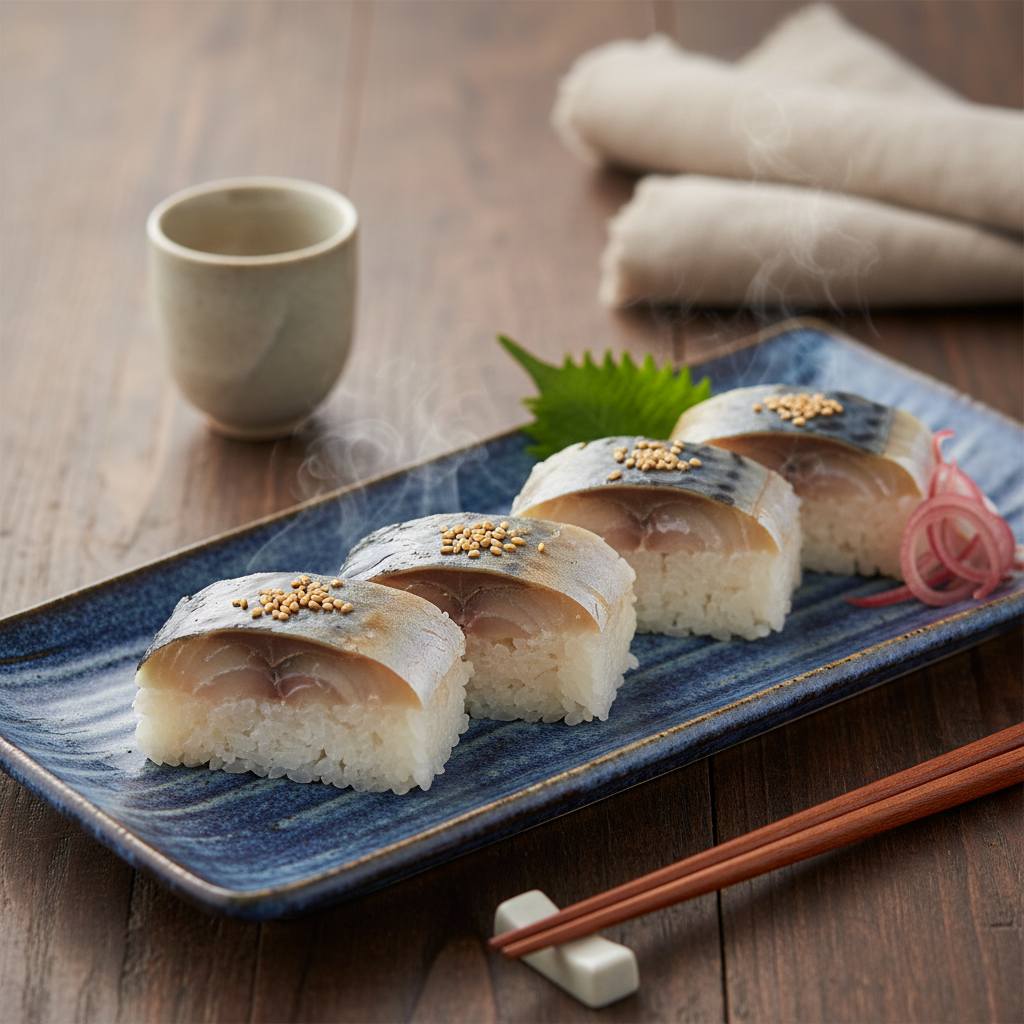
Battera is one of the representative local dishes of Osaka Prefecture, a pressed sushi made with mackerel (saba) tightened with vinegar. Wrapped in white kombu kelp with a beautiful appearance, and characterized by the exquisite balance between the umami of mackerel and vinegared rice, it is loved not only by locals but also by tourists as a traditional Osaka sushi.
Basic Structure of Battera
Battera is composed of the following elements:
- Vinegar-tightened mackerel: Fresh mackerel tightened with salt and vinegar
- Vinegared rice: Sushi rice seasoned with sugar, salt, and vinegar
- White kombu kelp: Thin, translucent kelp covering the surface
- Wooden mold: Wooden mold specialized for pressed sushi for shaping
This combination created Osaka’s unique sushi culture with both visual beauty and depth of taste.
History and Origin of Battera
Background of Its Birth
Battera is said to have been born in the late Meiji period, around the early 1900s. Osaka was long called “Japan’s Kitchen,” a city where food culture flourished. At that time, pressed sushi was popular among the common people in Osaka, and battera became a particularly beloved existence among them.
Origin of the Name
There are various theories about the origin of the name “battera,” but the most plausible theory is that it comes from the Portuguese word “bateira.” Bateira means a small boat, and it is said the name was given because the shape of pressed sushi resembles a small boat.
Another theory suggests the name came from the belly of the mackerel resembling the bottom of a boat. In any case, it is an interesting dish that reflects Osaka’s history as an international port town in its name.
Birthplace Restaurant
It is said to have originated from a sushi shop in Osaka city, with established sushi restaurants particularly around the Kita and Chuo wards claiming to be the originator. Initially, pressed sushi using conoshiro (small herring) was mainstream, but once battera using mackerel appeared, its deliciousness and affordable price quickly made it popular.
Why Battera Became Osaka’s Local Dish
Connection to Osaka’s Food Culture
Osaka flourished as the center of commerce from the Edo period and became known as the “city where people eat themselves to bankruptcy.” The background for battera’s establishment as a local dish includes the following factors:
- Tradition of pressed sushi culture: A sushi culture different from Edomae-style sushi had taken root in Osaka
- High preservation quality: By tightening with vinegar, it keeps well and suited the merchant city
- Affordable price: It was offered at a price range that common people could enjoy
- Beautiful appearance: It was valued as a gift item
Choice of Mackerel as an Ingredient
The fact that fresh mackerel caught in Osaka Bay and the Kii Straits was easily obtainable was also one of the reasons battera became established. Mackerel is highly nutritious and contains abundant unsaturated fatty acids such as DHA and EPA, making it a healthy food ingredient.
How to Make Authentic Battera
Required Ingredients (Serves 4)
Mackerel Preparation
- Medium-sized mackerel: 1 fish
- Salt: to taste
- Rice vinegar: 200ml
- Sugar: 1 tablespoon
Vinegared Rice
- Rice: 2 cups
- Kombu kelp: one 5cm square piece
- Rice vinegar: 50ml
- Sugar: 2 tablespoons
- Salt: 1 teaspoon
Other
- White kombu kelp: to taste
- Wasabi: to your preference
Preparation: Processing the Mackerel
- Three-piece fillet: Fillet the mackerel into three pieces, carefully removing belly bones and small bones
- Salt-tightening: Generously sprinkle salt on both sides of the mackerel and let sit for 30 minutes to 1 hour
- Washing: Rinse off the salt under running water and thoroughly pat dry
- Vinegar-tightening: Immerse the mackerel in blended vinegar made by dissolving sugar in rice vinegar and let sit for 30 minutes to 1 hour
- Skin removal: Gently peel off the thin skin (some choose to leave it on)
How to Make Vinegared Rice
- Rinse the rice, add kombu kelp, and cook normally
- Mix rice vinegar, sugar, and salt to make blended vinegar
- Pour blended vinegar over the cooked rice and mix with a cutting motion
- Cool to skin temperature while fanning with a paper fan
Shaping Procedure
- White kombu preparation: Lightly dampen white kombu with water to soften
- Mold preparation: Prepare a wooden mold (battera mold) for pressed sushi
- Lay kombu: Lay white kombu at the bottom of the mold
- Position mackerel: Arrange vinegar-tightened mackerel skin-side down on the kombu
- Fill with vinegared rice: Evenly pack vinegared rice on top of the mackerel
- Press firmly: Place the lid and apply even pressure from above to press firmly
- Remove from mold: Remove from the mold and wrap the entire surface with white kombu
- Cut: Cut into bite-sized pieces with a sharp knife
Professional Tips
- Choosing mackerel: Fatty autumn mackerel is ideal, but it can be enjoyed year-round
- Vinegar amount: Adjust vinegar-tightening time based on the mackerel’s size and freshness
- Pressing pressure: Don’t press too hard or the vinegared rice will crush; proper pressure is important
- Knife maintenance: Moisten the knife with vinegar water before cutting for cleaner cuts
Differences Between Battera and Other Pressed Sushi
Differences from Box Sushi
Osaka has another pressed sushi called hako-sushi (box sushi). Box sushi uses various ingredients (conger eel, shrimp, sea bream, etc.) and features a more luxurious appearance. In contrast, battera specializes in mackerel with a simple composition.
Comparison with Edomae-style Sushi
Edomae-style sushi centers on nigiri sushi, hand-shaped one piece at a time. Battera, on the other hand, is made using a mold to press and firm, allowing multiple pieces to be made at once. Battera has advantages in preservation and portability.
Differences from Mackerel Sushi
Kyoto’s mackerel sushi is characterized by its rod-like rolled shape and is often wrapped in kelp. Battera is pressed into a square shape and wrapped in white kombu, which is different. Additionally, while Kyoto’s mackerel sushi traditionally uses mackerel from Wakasa Bay, battera has a tradition of using mackerel from the Osaka Bay area.
Nutritional Value and Health Benefits of Battera
Main Nutritional Components
Nutritional value per serving of battera (approximately 150g):
- Calories: approximately 300-350kcal
- Protein: approximately 20g
- Fat: approximately 8-12g
- Carbohydrates: approximately 40g
- DHA and EPA: abundant
- Vitamin B12: abundant
- Vitamin D: abundant
Health Benefits
- Brain function improvement: DHA supports brain health
- Cardiovascular protection: EPA has the effect of thinning the blood
- Bone health: Vitamin D aids calcium absorption
- Anemia prevention: Vitamin B12 promotes red blood cell production
- Gentle on digestion: The vinegar effect promotes digestion
Precautions
- Relatively high salt content; those with high blood pressure should limit intake
- Those with mackerel allergies must avoid
- It is important to use fresh ingredients and store properly
Osaka’s Battera Top Restaurants Guide
Established Famous Restaurants
Yoshino Sushi
An established restaurant over 100 years old in Chuo Ward, Osaka. Battera following traditional methods is beloved by locals for many years. The use of white kombu is exquisite, with the kombu’s umami melting into the mackerel and vinegared rice.
Sushi Tsune
A renowned restaurant in Kita Ward. Carefully selected mackerel and unique vinegar-tightening technique shine. The balance of vinegared rice is exquisite and delicious enough to eat many pieces.
Honke Shibafuji
An established restaurant from the Meiji period and one of the shops claiming to be the originator of battera. While maintaining traditional flavors, modern adjustments to contemporary taste are also visible.
Restaurants with Modern Approaches
In recent years, restaurants making new attempts based on traditional battera have increased:
- Seared battera: Surface lightly seared to add a fragrant aroma
- Truffle battera: Flavored with truffle oil
- Vegetable battera: Vegetarian version using vegetables
Takeout and Mail Order
Many famous restaurants offer takeout and are popular as souvenirs and gifts. Some restaurants also offer nationwide shipping, allowing Osaka’s flavors to be enjoyed at home.
How to Enjoy Battera and Etiquette
Eating Tips
- Temperature: Remove from refrigerator and let sit at room temperature for 15-20 minutes to bring out the flavor
- Order: White kombu is edible, so enjoy it together as is
- Wasabi: Add wasabi to taste if desired
- Beverages: Pairs excellently with green tea, beer, or sake
Storage Method
- Same day: Ideally eaten the same day
- Refrigerated storage: Wrap in plastic wrap and store in refrigerator (until next day)
- Avoid: Freezing is not recommended as it damages texture
Gift-Giving Etiquette
Battera is popular as an Osaka souvenir:
- When bringing as a gift, use an insulated bag
- Check expiration date and inform the recipient
- Established restaurants’ packaging has a luxurious feel, making it suitable for gifts
Battera Arranged Recipes to Enjoy at Home
Simplified Battera
Even without a specialized mold, you can make simple battera using plastic wrap and a milk carton:
- Open a milk carton and flatten it to use as a substitute mold
- Lay plastic wrap and layer mackerel and vinegared rice, pressing from above
- Place a weight on top and let sit for about 30 minutes
- Cut and serve
Arrangement Variations
Sesame Battera
Mix white sesame seeds into the vinegared rice for a nutty flavor.
Shiso Battera
Sandwich perilla leaves between mackerel and vinegared rice for a refreshing flavor.
Yuzu Battera
Mix yuzu peel into the vinegared rice for seasonal appeal.
Western-style Battera
Drizzle a small amount of olive oil and add lemon for a Western twist.
Battera and Osaka’s Food Culture
Relationship with Festivals and Events
Battera has been eaten at various Osaka events:
- Celebrations: Wedding receptions and milestone birthday celebrations
- Cherry blossom viewing: As a spring outing bento
- Obon: A staple when relatives gather
- Year-end and New Year: As a dish in osechi (celebratory food)
Present-day Position
In modern times, battera continues to be positioned as a dish symbolizing Osaka’s food culture:
- Tourist resource: Popular as a food experience in Osaka tourism
- Local pride: Part of residents’ identity
- Tradition inheritance: Passing food culture to younger generations
- Internationalization: Popular with foreign tourists
Battera-making Experiences and Food Education
Expansion of Experience Classes
Battera-making experience classes are held in Osaka city:
- Sushi restaurant hosted: Learn techniques directly from professionals
- Cooking classes: Teaches methods that can be reproduced at home
- Tourism experience: English-language classes for foreign tourists
- School education: Classes to learn local food culture
Food Education Effects for Children
Battera-making is excellent from a food education perspective:
- Familiarity with fish: Learn fish structure and cooking methods
- Understanding fermentation: Learn about vinegar’s role and preservation wisdom
- Traditional culture: Experience local history and culture
- Collaborative work: Enjoy making together with family or friends
Future and Challenges of Battera
Inheritance of Tradition
There are also challenges in preserving tradition, such as shortage of successors and difficulty in sourcing materials:
- Aging of craftspeople: Technology inheritance is urgent
- Rising material costs: Difficulty securing quality mackerel
- Changing eating habits: Youth moving away from fish
Efforts Toward Innovation
On the other hand, new initiatives are emerging:
- SNS utilization: Information dissemination to younger generations
- New product development: Arrangements suited to modern tastes
- International expansion: Taking advantage of the Japanese food boom
- Sustainability: Collaboration with sustainable fishing
Summary: Rediscovering the Charm of Battera
Battera is not merely a local dish but a work of culinary art packed with Osaka’s history, culture, and people’s wisdom. Maintaining tradition dating back to the Meiji period while continuing to evolve with the times, battera will continue to be loved as a symbol of Osaka’s food culture.
Essential Value of Battera
- Taste: Exquisite harmony between mackerel’s umami and vinegared rice
- Beauty: Refined appearance wrapped in white kombu
- Health: High nutritional value and body-friendly
- Culture: Embodies Osaka’s history and tradition
- Connection: A communication tool connecting people
When visiting Osaka, be sure to taste authentic battera. Also, by making it at home, you can more deeply feel the depth of this traditional dish. Why not rediscover the charm of Osaka’s rich food culture through battera?
Battera, maintaining tradition while continuing innovation, will continue to be loved by many people and passed on to future generations as Osaka’s pride.