
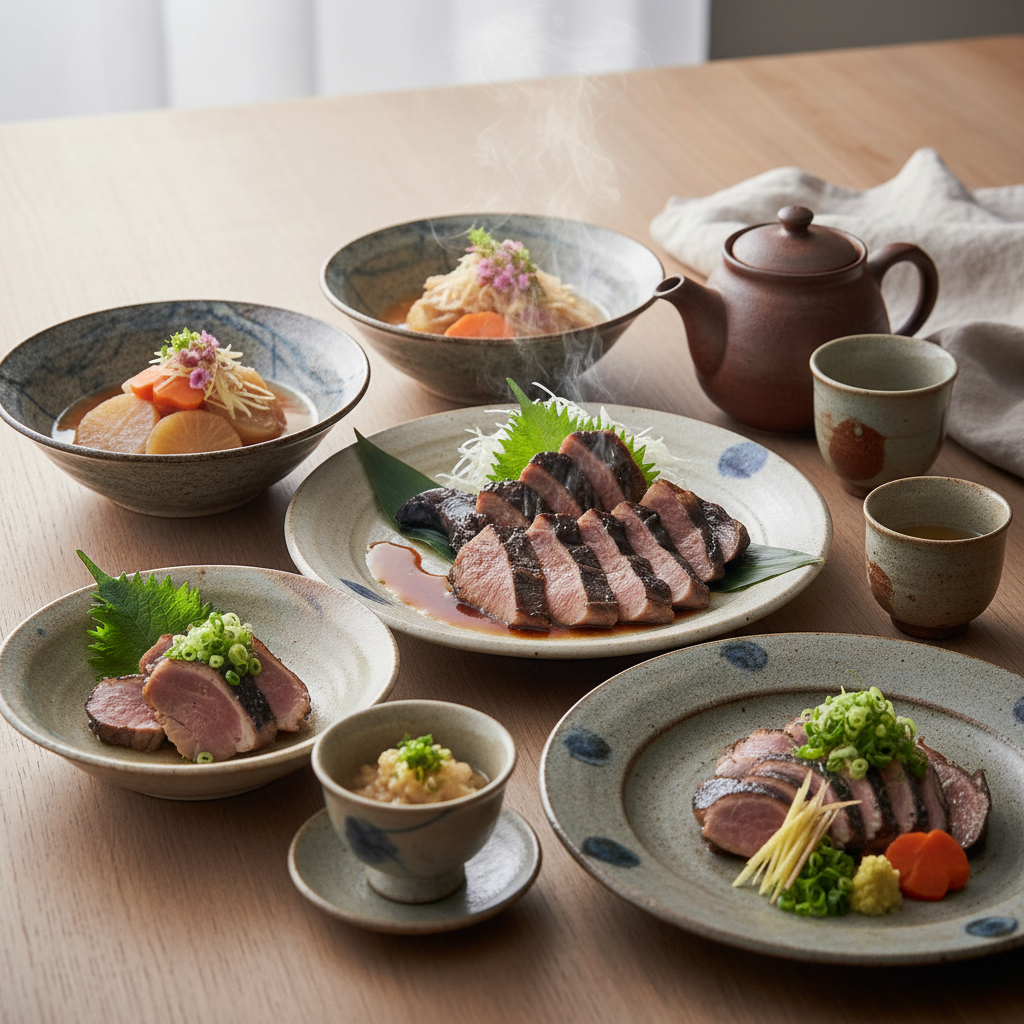
Complete Guide to Whale Cuisine in Wakayama Prefecture: Thoroughly Explaining the History and Renowned Restaurants of Local Cuisine
Wakayama Prefecture is the center of Japan’s whale cuisine culture, with a history spanning over 1,000 years. Taiji Town, in particular, is known as the birthplace of traditional whaling methods, and many renowned restaurants serving whale cuisine still exist today. This article provides a comprehensive explanation of the history of whale cuisine in Wakayama Prefecture, representative local dishes, and recommended dining establishments.
The Deep History of Whale Cuisine in Wakayama Prefecture
Whale-Eating Culture Spanning Over 1,000 Years
The history of whale consumption in Wakayama Prefecture is extremely ancient, with records from the Nara period already mentioning the exchange of whale meat as gifts. This indicates that the custom of eating whale has existed for over 1,000 years and is one of the dishes with particularly long traditions in Japanese food culture.
Development of Taiji Town and Traditional Whaling Methods
Entering the Edo period, Kakuemon Taiji of Taiji Town in Wakayama Prefecture devised a net-based whaling method, and the organized whaling industry developed. This technological innovation established whale cuisine as an important food culture in the region, giving birth to various cooking methods. Taiji Town remains the center of whale culture today, known as “the birthplace of traditional whaling methods.”
Postwar Food Culture and Whale Cuisine
After the war, whale meat served as a valuable protein source supporting Japanese dining tables. Particularly in Wakayama Prefecture, it was incorporated into school lunches, becoming an important food ingredient supporting children’s growth. Today, whale tatuta (Japanese-style fried chicken) still appears on school lunch menus in Wakayama Prefecture’s elementary schools as a local dish.
Whale Cuisine Representative of Wakayama Prefecture
Whale Tatuta (Japanese-Style Fried Whale)
Selected by the Ministry of Agriculture, Forestry and Fisheries as “Local Cuisine of Japan’s Agricultural, Mountain, and Fishing Villages.”
Characteristics of the Cooking Method:
- Cut whale meat into bite-sized pieces
- Season with soy sauce, mirin, ginger, and more
- Coat with potato starch and deep-fry
- Crispy outside, juicy inside
Tatuta is the most popular whale dish among whale cuisine offerings, served at many dining establishments. It brings out the unique flavor of whale meat while making it easy to eat through frying.
Whale Sashimi
Whale sashimi is especially recommended as a local dish of Taiji Town. Fresh whale meat is sliced thinly and enjoyed with soy sauce or ginger, considered the best way to fully enjoy the original taste of whale.
Main Cuts:
- Red meat: Minke whale lean portion, light and mild taste
- Proper skin: Rich in collagen, unique texture
- Tail meat: Well-marbled cut, melting sensation
- Bacon: Whale skin and fat cured with salt
Harihare Nabe (Peppery Whale and Greens Hot Pot)
Harihare nabe, enjoyed as a winter local dish, is a hot pot featuring whale meat and Japanese mustard greens (mizuna) as main ingredients. The name “harihare” comes from the crispy, crunchy texture of the mizuna.
Cooking Points:
- Use premium kombu and bonito first dashi
- Slice whale meat thinly and simmer briefly
- Add plenty of mizuna
- Enjoy with ponzu or yuzu-kosho
Other Whale Dishes
- Whale Tataki: Surface lightly seared and thinly sliced whale meat
- Whale Steak: Thick-cut whale meat cooked boldly
- Whale Simmered Dishes: Home-style cooking simmered with vegetables like daikon radish
- Whale Cutlet: Western-style adaptation breaded and deep-fried
Nutritional Value and Health Benefits of Whale Meat
Whale Meat as an Excellent Health Food
Whale meat is not only delicious but also nutritionally excellent.
Nutritional Characteristics:
- High Protein: Rich in protein necessary for muscle maintenance and growth
- Low Calorie: Safe to eat even during dieting
- Low Fat: Supports healthy eating habits
- Rich in Iron: Effective for preventing anemia
- B Vitamins: Promotes energy metabolism
Anserine’s Fatigue Recovery Effect
The “anserine” component found in whale meat is said to have excellent fatigue recovery effects. This component is unique to whales and is believed to help recover from post-exercise muscle fatigue and everyday tiredness.
Renowned Whale Cuisine Restaurants in Wakayama Prefecture
Taiji Town Area
Isana-no-Yado “Hakugei” (White Whale)
A renowned whale cuisine restaurant representing Taiji Town, with lodging facilities also included. Specializes in fresh whale cuisine and dishes using local ingredients.
Recommended Points:
- Assorted whale sashimi platter
- Tatuta and other classic menus
- Fresh local fish dishes from Taiji Town
- Whale cuisine courses for overnight guests
Michi-no-Eki Taiji (Taiji Roadside Station)
The roadside station in Taiji Town features a food court and restaurants where whale cuisine can be enjoyed casually.
Facility Features:
- Food court for casual whale cuisine experience
- Whale meat purchasing also available at direct sales counter
- Convenient for obtaining tourism information
- No reservations needed if visiting during business hours
Hanairodonri-no-Yado Hanayou
A luxury lodging facility in Taiji Town offering authentic whale cuisine courses. Provides an extravagant dining experience combining fresh local ingredients with whale cuisine.
Nachi-Katsuura Town Area
Maguro Zanmai Nachi
A popular restaurant offering both fresh tuna and whale cuisine. Features a combination of fresh seafood from Nachi-Katsuura and whale cuisine.
Menus Offered:
- Whale Tatuta (approximately 950 yen)
- Assorted sashimi platter (Large: 2,800 yen, Small: 1,800 yen)
- Fresh tuna dishes
- Lunch menus also available
Business Information:
- Open weekdays and holidays
- Note last orders
- Reservations recommended (especially weekends and holidays)
Kushimoto Town Area
Sushi and Japanese Cuisine Maeda
A Japanese restaurant focusing on fresh local fish from Kushimoto and Kii Province ingredients. Offers a casual atmosphere with abundant lunch menus.
Store Features:
- Uses premium kombu and bonito first dashi
- Commitment to Wakayama Prefecture condiments
- Whale tatuta and assorted sashimi
- Local fish landed at nearby fishing ports
Shingu City Area
Japanese Casual Restaurant Kinoshita
A casual restaurant beloved by locals, serving whale cuisine and other local dishes.
Operating Style:
- Closed days: Please confirm (may be irregular)
- Phone reservation recommended
- Uses local vegetables and ingredients
- Friendly atmosphere
Shinraku
One of the popular whale cuisine restaurants in Shingu City, featuring menus combining local ingredients with whale cuisine.
Wakayama City and Other Areas
Whale Cuisine Restaurant Kujirajaya
Operating as a whale specialty restaurant aiming to serve Japan’s most delicious whale cuisine.
Store Features:
- Can enjoy rare whale cuisine
- Minke whale red meat, proper skin, and rorqual tail meat also available for purchase
- Can sample and compare various cuts
- Recommended for whale cuisine beginners
Chiri Tori
An izakaya in Wakayama City serving whale cuisine, known as a favorite among local regulars.
Shippo (Shippo)
A casual restaurant offering whale cuisine. Popular among younger generations.
Tips for Enjoying Whale Cuisine
Business Hours and Reservations
Most restaurants serving whale cuisine require attention to the following points:
Business Hours:
- Lunch time: 11:00–14:00 (Last order around 13:30)
- Dinner time: 17:00–21:00 (Last order around 20:00)
- Some restaurants also offer morning service
Closed Days:
- Many restaurants are closed Wednesdays
- Some may have irregular closures, phone confirmation recommended
- Holiday operations vary by restaurant
Reservations:
- Recommended for weekends and holidays
- Reservations advisable even on weekdays for popular restaurants
- Phone reservations are most reliable
For First-Time Whale Cuisine Eaters
Recommended Order:
- Start with Tatuta: Most approachable, ideal introduction to whale cuisine
- Try Sashimi: Enjoy the original taste of whale
- Experience Harihare Nabe: Offered seasonally at many restaurants, typically winter
Eating Tips:
- Red meat served simply with ginger soy sauce
- Proper skin with miso vinegar to enjoy collagen
- Bacon enjoyed thinly sliced
- Tatuta with a squeeze of lemon
Purchasing Whale Meat
Many restaurants also sell whale meat directly:
Places to Purchase:
- Direct sales counter at Michi-no-Eki Taiji
- Whale cuisine specialty restaurants
- Local supermarkets
Notes When Purchasing:
- Freezing is standard storage
- Cooking methods vary by cut
- Consult staff about cooking methods
- Vacuum-packed options convenient for storage
Whale Culture Experiences in Wakayama Prefecture
Taiji Town Whale Museum
Beyond enjoying whale cuisine, visitors can learn about whaling history and whale ecology.
Exhibition Contents:
- Historical records of traditional whaling
- Whale skeletal specimens
- Whaling equipment displays
- Whale-related video materials
Kujira Town Project
Wakayama Prefecture undertakes various initiatives to pass on whale culture to future generations. These include providing tourism information and introducing restaurants serving whale cuisine, actively promoting whale culture.
Modern Whaling and Sustainability
Whaling Based on Resource Management
Currently, Taiji Town captures short-finned pilot whales (Globicephala macrorhynchus) outside IWC (International Whaling Commission) jurisdiction to protect the long-standing whale food culture.
Resource Management Characteristics:
- Government decisions based on resource surveys
- Strictly managed fishing seasons and capture quotas
- Implementation of sustainable whaling
- Operations based on scientific data
Succession of Whale Food Culture
Wakayama Prefecture continues efforts to pass on whale cuisine to the next generation:
- School lunch provision
- Recognition as local cuisine
- Utilization as a tourism resource
- Whale cuisine provision at regional events
Whale Cuisine and Local Ingredients
Pairing with Wakayama Prefecture Ingredients
Many restaurants offer whale cuisine combined with Wakayama Prefecture ingredients:
Pairing Examples:
- Plum sauce using Kii Province plums
- Citrus flavor using Arida mandarin oranges
- Seasoning with Wakayama Prefecture soy sauce
- Simmered dishes with local vegetables
Seasonal Enjoyment
Spring:
- Fresh spring vegetables with whale sashimi
- Simmered mountain vegetables with whale
Summer:
- Light whale tataki
- Chilled whale dishes
Autumn:
- Mushroom and whale simmered dishes
- Combination with autumn vegetables
Winter:
- Harihare nabe
- Whale sukiyaki-style
Tourism and Whale Cuisine
Kumano Kodo Trail and Whale Cuisine
For tourists visiting the UNESCO World Heritage Kumano Kodo Trail, whale cuisine offers a dining experience unique to Wakayama Prefecture. Nachi-Katsuura and Taiji towns serve as gateways to the Kumano Kodo, with many pilgrims enjoying whale cuisine after their journey.
Japan Heritage “Living with Whales”
The Kumano-nada coastal region has been designated Japan Heritage as “Living with Whales.” In this area, food culture experiences centered on whale cuisine form an important element of tourism.
Conclusion: Whale Cuisine Culture in Wakayama Prefecture
Wakayama Prefecture’s whale cuisine is a precious local dish with a history spanning over 1,000 years. The whaling culture centered on Taiji Town continues to be transmitted in a sustainable form today, and many dining establishments offer traditional whale cuisine.
From representative dishes like tatuta and harihare nabe to sashimi and steak, Wakayama Prefecture’s appeal lies in being able to savor whale meat through various cooking methods. With excellent nutritional value—high protein, low calorie, and low fat—whale meat is also gaining attention as a health food.
Numerous whale cuisine restaurants exist in Kumano-nada coastal areas including Taiji Town, Nachi-Katsuura Town, Kushimoto Town, and Shingu City, with each establishment offering traditional whale cuisine through unique cooking methods and ingredient combinations. Business hours and closed days vary by restaurant, so it’s recommended to confirm by phone before visiting and make reservations.
When visiting Wakayama Prefecture, be sure to experience whale cuisine unique to this region and touch upon this long-established food culture. Whale cuisine combined with fresh local fish and vegetables will be a special dining experience found only in Wakayama Prefecture.

