What is Chagayu (Tea Porridge)? A Complete Explanation of Wakayama Prefecture’s Local Cuisine: History, Recipe, and Nutritional Value
Chagayu (tea porridge) is a traditional local dish representative of Wakayama Prefecture. It is a simple yet profoundly flavorful dish made by cooking rice in hojicha (roasted green tea) or bancha (coarse tea), and has long been enjoyed as a breakfast staple by Wakayama residents. This article provides a comprehensive explanation of all aspects of this traditional dish, including its historical background, preparation method, nutritional value, and its appeal in modern times.
What is Chagayu?
Chagayu is a type of porridge (kayu) made by cooking rice in tea instead of water. In Wakayama Prefecture, it is also called “okaissan,” and has become an indispensable part of the local dining table. Unlike ordinary white rice porridge, the aroma and flavor of tea permeate the rice, creating a unique taste.
Basic Characteristics of Chagayu
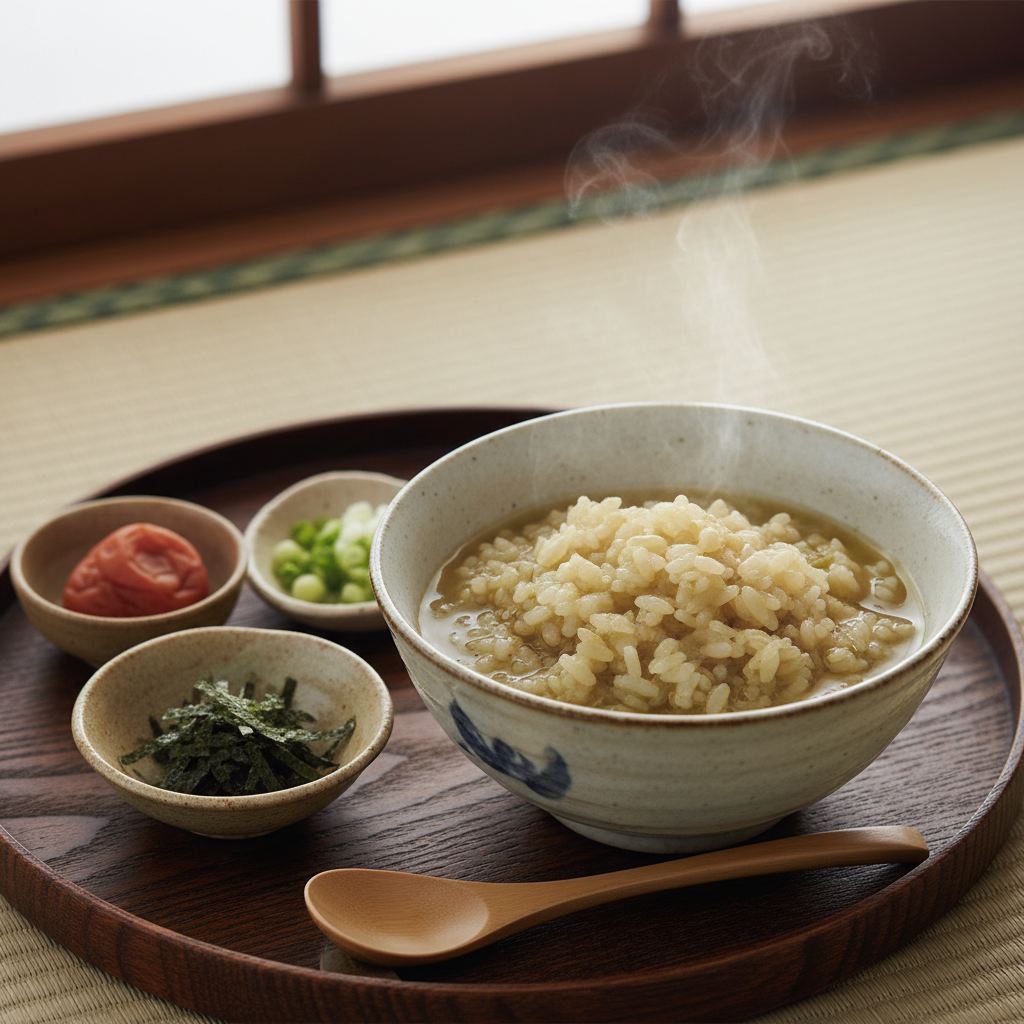
The greatest characteristic of chagayu lies in its preparation method. By using bancha or hojicha instead of water when cooking rice, the tea’s components penetrate the rice, creating a beautiful light brown color and a fragrant, toasted flavor. Its texture is light and fluffy, with more liquid than ordinary porridge, allowing it to be consumed by drinking it like tea.
In Wakayama Prefecture, the tradition of eating chagayu for breakfast remains strong, and it is typically served with simple side dishes such as umeboshi (pickled plums), salted kelp, and pickled vegetables. This combination has become a symbol of Wakayama’s food culture.
History and Cultural Background of Chagayu
Why Chagayu Was Created
There are several theories about the origin of chagayu, but the most credible explanation is that it began as a way to reuse tea leaves by cooking rice in water that had been used to brew tea, in times when water was precious. Additionally, Wakayama Prefecture is surrounded by the Kii Mountains, where rice was scarce, so porridge—which provided satiety with a small amount of rice—became preferred.
Historical records show that chagayu was already widely eaten among residents of Wakayama Domain during the Edo period. At that time, Wakayama thrived as the castle town of the Kishu Tokugawa family, and chagayu was enjoyed by people across all social classes, from samurai to commoners.
Connection with Buddhist Culture
Wakayama Prefecture is home to many Buddhist temples, including Koyasan. Tea porridge, being simple and easy to digest, was highly valued as ascetic food for Buddhist monks. It is believed that the habit of chagayu spread to ordinary households through the influence of shojin ryori (Buddhist vegetarian cuisine) at Koyasan.
In particular, chagayu was ideal as a light meal before morning practice, and this is said to have influenced the breakfast culture of ordinary households.
The Spread of Chagayu Culture in Wakayama Prefecture
Chagayu is eaten throughout Wakayama Prefecture, but it has taken particularly strong root in the northern Kii region (around Wakayama City). Until the early Showa period, the majority of households ate chagayu almost every morning.
Even today, the habit of eating chagayu regularly remains among elderly generations in Wakayama Prefecture, and efforts are being made to pass this local cuisine on to future generations. School lunches sometimes include chagayu, making it recognized among younger generations as part of Wakayama’s food culture.
How to Make Chagayu
Basic Chagayu Recipe
The preparation of chagayu is extremely simple. Below is a traditional Wakayama-style chagayu recipe.
Ingredients (serves 4)
- Rice: 1 go (approximately 150g)
- Bancha or hojicha: 2-3 tablespoons (tea leaves)
- Water: 1.5-2 liters
- Salt: a pinch (to taste)
Instructions
- Prepare the rice: Wash the rice and drain it in a colander, letting it sit for about 30 minutes to remove excess moisture.
- Prepare the tea: Fill a large pot with water and place bancha or hojicha in a tea bag (or tea infuser). Bring to a boil, then simmer over low heat for about 5 minutes to brew the tea, and remove the tea leaves.
- Cook: Add the rice to the brewed tea and bring to a boil over high heat. Reduce to low heat and simmer for 30-40 minutes, stirring occasionally.
- Finish: When the rice becomes soft and reaches a light, fluffy consistency, it is done. Add a pinch of salt to taste.
Tips and Points for Making Chagayu
Choosing the tea: In Wakayama, bancha is typically used, but hojicha also makes delicious chagayu. Bancha has less astringency and creates a mellow flavor. Hojicha adds more aromatic, roasted notes.
Rice cooking consistency: Chagayu has more liquid than ordinary porridge and should finish with a light, fluffy texture. The ratio of rice to water should be approximately 1:10-13.
Heat control: Bring to a rapid boil over high heat, then simmer over low heat to cook the rice thoroughly without breaking it apart too much, maintaining a pleasant texture.
Stirring: Stir occasionally from the bottom while cooking to prevent the rice from sticking to the pot bottom. However, avoid over-stirring, as it will break down the rice too much.
Modern Arrangement Recipes
Based on traditional chagayu, various arrangements can be enjoyed to suit modern lifestyles.
Brown rice chagayu: Using brown rice instead of white rice creates a more nutrient-rich and aromatic chagayu. Since brown rice takes longer to cook, soak it in water for 2-3 hours beforehand.
Green tea chagayu: Using green tea instead of bancha results in a brighter color and fresher flavor. However, green tea tends to develop astringency, so keep the brewing time short.
Chagayu with ingredients: Adding chicken, shiitake mushrooms, carrots, and other ingredients creates a hearty version that works for dinner as well as breakfast.
Side Dishes and Ways to Eat Chagayu
Traditional Pairings
In Wakayama Prefecture, chagayu is traditionally eaten with the following side dishes.
Umeboshi (pickled plums): Wakayama Prefecture boasts Japan’s highest plum production, with Nanko plums particularly famous nationwide. The sourness and saltiness of umeboshi perfectly complements the mild flavor of chagayu.
Salted kelp: The umami and saltiness of kelp enhance the flavor of chagayu. Wakayama Prefecture also has high kelp consumption, and the pairing is excellent.
Pickled vegetables: Light cucumber pickles, pickled radish, pickled cabbage, and other crisp pickles are preferred.
Tsukudani (simmered relish): Small fish tsukudani, kelp tsukudani, and other preserved relishes prepared as tsukudani pair well with chagayu.
Grilled fish: Grilled horse mackerel, grilled saury, and other simply grilled fish are classic pairings.
Modern Ways of Eating
In addition to traditional preparations, various arrangements are now enjoyed.
Toppings: Adding chopped green onions, ginger, sesame, and nori seaweed enriches the flavor.
Western-style arrangement: Adding cheese or olive oil and serving risotto-style has become popular.
As diet food: More people are incorporating it into their diet because it is low-calorie and provides satiety.
Nutritional Value and Health Benefits of Chagayu
Nutritional Components of Chagayu
Since chagayu is made from simple ingredients, it is low in calories and easy to digest. The nutritional content per serving (approximately 200g) is as follows:
- Calories: approximately 70-100 kcal
- Carbohydrates: approximately 15-20g
- Protein: approximately 1-2g
- Fat: less than 0.5g
- Dietary fiber: approximately 0.5-1g
As tea components, it also contains catechins, vitamin C, caffeine, and L-theanine.
Health Benefits
Easy on digestion: Chagayu has high water content and softly cooked rice, so it places minimal burden on the stomach and intestines and is easily digested and absorbed. It is also ideal for those with poor health or elderly people.
Antioxidant properties: The catechins in tea have strong antioxidant effects, which are expected to help prevent aging and lifestyle-related diseases.
Relaxation effect: L-theanine in tea has a relaxation effect, gently supporting restful waking in the morning.
Low calorie: Because it has more water content than regular white rice, eating the same amount results in fewer calories, making it suitable for dieting.
Improved intestinal environment: Warm chagayu warms the intestines and helps maintain healthy intestinal flora.
Hydration: Eating chagayu for breakfast efficiently replenishes the water lost during sleep.
Precautions
While chagayu is a healthy food, the following points should be noted.
- Nutritional balance: Since chagayu alone provides imbalanced nutrition, it should be eaten with side dishes containing protein and vitamins.
- Caffeine: Because tea contains caffeine, those sensitive to caffeine should avoid it at dinner time.
- Salt content: When eating with umeboshi or pickled vegetables, be careful not to consume too much salt.
Current Status of Chagayu in Wakayama Prefecture
Succession of Chagayu Culture
In modern Wakayama Prefecture, due to changes in lifestyle, fewer households eat chagayu every morning. However, active efforts are being made to preserve chagayu as a local dish and pass it on to future generations.
School lunch provision: In elementary and middle schools throughout Wakayama Prefecture, chagayu is sometimes included in lunch menus as an opportunity to learn about local cuisine.
Cooking classes: Cooking classes teaching how to make chagayu are held at community centers and cultural facilities.
As a tourism resource: More inns and restaurants serving traditional chagayu to tourists visiting Wakayama Prefecture have appeared.
Facilities Serving Chagayu
Many facilities in Wakayama Prefecture serve traditional chagayu.
Historic inns: Inns in Wakayama City and around the Shirahama hot springs often serve chagayu at breakfast.
Local cuisine restaurants: Restaurants specializing in Wakayama’s local cuisine offer chagayu set meals on their lunch menus.
Roadside stations: Some roadside stations throughout the prefecture serve chagayu made with local ingredients.
Chagayu and Similar Dishes from Other Regions
Chagayu in Nara Prefecture
Tea porridge is eaten not only in Wakayama Prefecture but also in the neighboring Nara Prefecture. Nara’s chagayu, like that of Wakayama, uses bancha, but there are subtle regional differences. In Nara, “Yamato tea,” a locally produced variety, is sometimes used.
Tea porridge in Kyoto Prefecture
Tea porridge is eaten in some areas of Kyoto Prefecture, but Kyoto typically uses green tea, resulting in a different flavor from the bancha-based chagayu of Wakayama Prefecture.
Chagayu in Mie Prefecture
The tradition of chagayu also exists in some areas of Mie Prefecture, particularly in the Iga region, where it is enjoyed as a traditional breakfast.
Tips for Enjoying Chagayu at Home
Choosing the Tea
The tea used for chagayu is typically bancha or hojicha, but there are various selection options.
Bancha: Mellow with less astringency, it is ideal for chagayu eaten daily. Using Wakayama-produced bancha results in a more authentic flavor.
Hojicha: Characterized by a toasted aroma, it provides an appetite-stimulating fragrance.
Genmaicha (brown rice tea): The toasted aroma of brown rice adds a rich flavor to chagayu.
Choosing Cookware
Earthenware pot (donabe): Far-infrared rays ensure even cooking of rice, creating delicious chagayu. High heat retention and the ability to serve directly at the table are also appealing.
Pressure cooker: Soft chagayu can be made in a short time. Convenient for busy mornings.
Rice cooker: Many modern rice cookers have a “porridge mode” that makes chagayu easily. Simply use the brewed tea water for cooking.
Storage Method
Chagayu can be made in advance. It can be stored in the refrigerator for 2-3 days, but over time the rice absorbs moisture and hardens, so it is good to add a little water or tea when reheating.
Freezing is also possible; divide into single servings and freeze for storage of about one month. Simply reheat in a microwave to defrost.
Cultural Significance of Chagayu
Chagayu is not merely food but an important local dish that embodies Wakayama Prefecture’s history and culture.
Breakfast That Nurtures Family Bonds
The habit of the family gathering for chagayu at breakfast was an important time for family communication. Because it is such a simple dish, the significance of eating together was all the greater.
Symbol of Regional Identity
For Wakayama residents, chagayu holds a special place as “the taste of home.” It is common to hear stories of Wakayama Prefecture natives remembering their hometown when eating chagayu outside the prefecture.
Sustainable Food Culture
Chagayu is truly a pioneer of sustainable food culture, capable of satisfying many people with minimal ingredients. In considering modern environmental issues, there is much we can learn from traditional food culture such as chagayu.
Conclusion: Rediscovering the Appeal of Chagayu
Chagayu is a traditional local dish of which Wakayama Prefecture is proud, possessing a simple yet profoundly appealing quality. With its historical background, health benefits, and cultural significance, chagayu is a food culture worthy of reconsideration in modern times.
Incorporating simple, gentle foods like chagayu into busy modern life carries great significance for both physical and mental health. When visiting Wakayama Prefecture, be sure to taste authentic chagayu. It is also easy to make at home, so why not add it to your breakfast repertoire?
By rediscovering the wonderfulness of Japan’s traditional food culture through chagayu and passing it on to future generations, we fulfill our important role. We hope that Wakayama Prefecture’s chagayu culture will continue to be loved by many people in the years to come.