Yaki-Manju: Gunma Prefecture’s Local Cuisine: Complete Guide to History, Recipe, and Famous Restaurants
If you visit Gunma Prefecture, you must taste “yaki-manju,” a local specialty. This dish of fluffy white buns brushed with sweet miso sauce and grilled until fragrant has been loved by Gunma residents as soul food for over 150 years. In fiscal year 2021, it was recognized as a “100-Year Food” by the Agency for Cultural Affairs, and its cultural value was reassessed.
This article provides a comprehensive explanation of this representative local cuisine of Gunma Prefecture, from the history and origins of yaki-manju, to recipes that can be made at home, regional characteristics, and recommended famous restaurants.
What is Yaki-Manju?
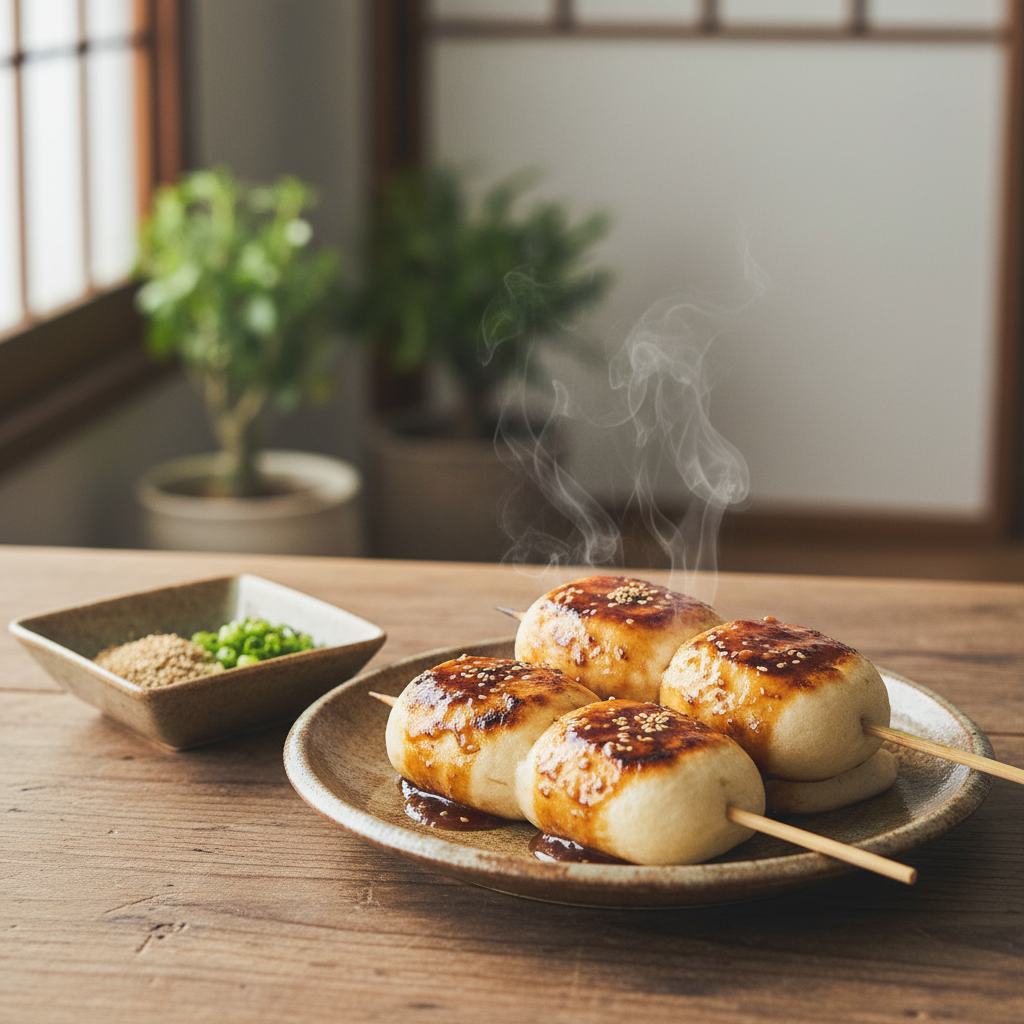
Yaki-manju is a Gunma Prefecture local dish made by steaming buns prepared by mixing wheat flour with koji and allowing it to ferment, skewering them on bamboo sticks, coating both sides with a rich miso sauce sweetened with brown sugar or starch syrup, and then grilling them until they develop a light char.
Basic Characteristics
Plain buns as the foundation
The greatest characteristic of yaki-manju is the use of “plain buns” without filling. The sweet miso sauce soaks into the fluffy white dough itself, creating a unique flavor. However, in some regions and shops, filled versions also exist.
Fermentation with koji
Using the manufacturing method of sake buns, dough fermented with koji is used. This fermentation causes the buns to puff up with air, creating a light texture. The unique flavor from fermentation is also one of the attractions of yaki-manju.
Sweet miso sauce
A rich and sweet miso sauce made with miso as a base, with brown sugar and starch syrup added, is used. This sweet and salty seasoning matches perfectly with the plain buns, creating an addictive flavor.
Grilled on bamboo sticks
Typically, four buns are served on a single bamboo stick. Grilling over charcoal adds a fragrant char to the surface, and the sweet aroma of the miso sauce rises. This grilling degree is where the craftsman’s skill shines.
Wheat Culture in Gunma Prefecture and Yaki-Manju
The development of yaki-manju in Gunma Prefecture has roots in the region’s wheat culture.
Wheat Production in Gunma Prefecture
Gunma Prefecture, particularly the southern part of the prefecture, has a long history of wheat cultivation during winter. In the fertile lands along river valleys such as the Tone River and Watarase River, two-crop rotation of rice and wheat was practiced, with wheat being an important agricultural product.
Gunma Prefecture, boasting one of the highest wheat production volumes in Japan, developed a unique flour-based food culture with wheat flour dishes eaten on a daily basis. Today, Gunma Prefecture remains a major wheat producing region.
Wheat Cuisine Culture in Gunma Prefecture
In Gunma Prefecture, where wheat is actively cultivated, various wheat flour dishes besides yaki-manju are enjoyed as local cuisines.
Noodle dishes
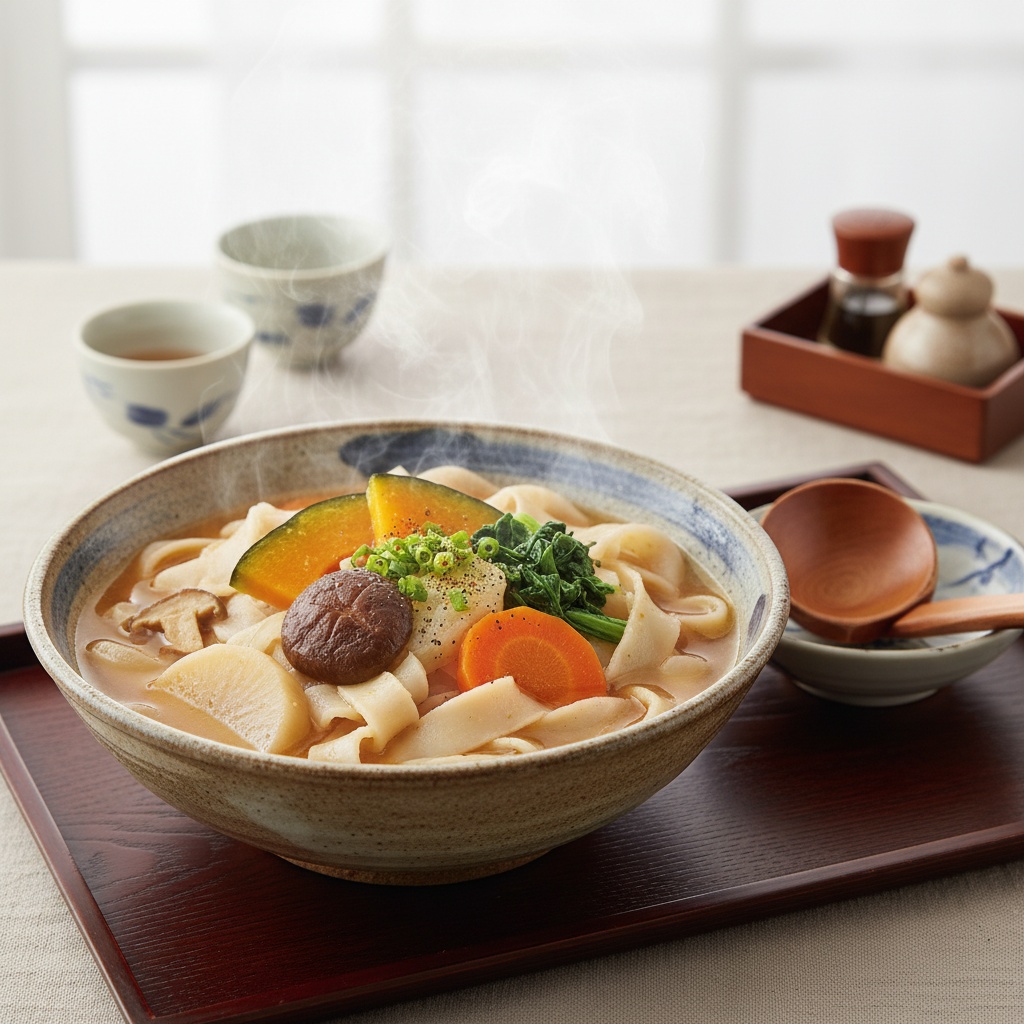
“Okkirkomi” is a dish of wide noodles simmered together with vegetables and has been eaten as daily fare for farming families. “Niboutou” is similarly a home-cooked dish where udon-like noodles are simmered with ingredients.
Bun varieties
Besides yaki-manju, Gunma Prefecture has diverse buns including “tansan manju” (soda buns) and “soba manju” (buckwheat buns). Tansan manju are buns with a unique texture created by using baking soda, and these too are famous throughout Gunma Prefecture.
Within this rich tradition of wheat-based cuisine, yaki-manju has developed as a local specialty with a particularly distinctive presence.
History and Origins of Yaki-Manju
While there are various theories about the origin of yaki-manju, it is said to have been born in the late Edo period to early Meiji era, possessing a history of over 150 years.
Origin and Period
Maebashi theory
One of the most credible theories is that yaki-manju originated in Maebashi City. Maebashi was traditionally an area thriving in sericulture and silk textile industries, with a bustling town of merchants and industrialists. It is said that yaki-manju was born as a place for merchants to gather and as a light snack during festivals.
Kiryu theory
Kiryu City, which also prospered from the textile industry, also has records of yaki-manju being made since ancient times. In Kiryu, filled yaki-manju were also traditionally made, with unique local development.
Relationship to Sericulture and Silk Textile Industries
From the Edo period to the Meiji era, Gunma Prefecture developed as one of Japan’s premier sericulture regions. Particularly during the Meiji period, modern sericulture industries represented by the Tomioka Silk Mill flourished, and Gunma Prefecture’s silk industry held an important international position.
When sericulture and silk textile industries were thriving, active exchange among fiber-related merchants and industrialists took place. It is thought that yaki-manju spread as a light snack during business negotiations and as street food during festivals, flower viewing, and other events.
Establishment as a Common People’s Food
Initially enjoyed among merchants and industrialists, yaki-manju gradually spread to the common people and became an indispensable stall menu at festival fairs, cherry blossom viewings, and summer festivals.
As an easy-to-eat light snack and with its sweet miso sauce flavor appealing to both children and adults, it established itself as Gunma residents’ soul food.
Ingredients and Preparation Method for Yaki-Manju
Yaki-manju can be made at home as well. Here we introduce a basic recipe.
Ingredients (makes approximately 12 buns)
Bun dough
- Wheat flour (cake flour or all-purpose flour): 300g
- Sugar: 30g
- Dry yeast: 6g (or koji)
- Water: approximately 150ml
- Salt: a pinch
Miso sauce
- Miso: 100g
- Sugar: 80g
- Mirin: 2 tablespoons
- Water: approximately 50ml
- Starch syrup or brown sugar: to taste
Preparation Method
1. Prepare the dough
Mix wheat flour, sugar, and salt in a bowl. In a separate container, dissolve dry yeast in warm water, add to the flour mixture, and mix well. Knead until the texture resembles an earlobe.
Traditional manufacturing uses the “sake bun” method of fermentation with koji, but dry yeast can be substituted in home cooking.
2. Fermentation
Place the dough in a bowl, cover with a damp cloth, and let ferment in a warm place for approximately 1 hour. When the dough has risen to 1.5 to 2 times its original size, fermentation is complete. This fermentation process is a crucial step in creating a fluffy texture.
3. Shaping
Divide the fermented dough into 12 portions and shape them into rounds. For plain buns, roll them without filling. If making filled buns, wrap the filling at this stage.
4. Steaming
Line a steamer with parchment paper and arrange the shaped dough. It is important to space them adequately apart. Steam over high heat for approximately 15 minutes. Allow to cool slightly after steaming.
5. Prepare the miso sauce
Place miso, sugar, mirin, and water in a pot over low heat and mix well while simmering. Once thickened, remove from heat. For a more concentrated sweetness and shine, add starch syrup or brown sugar to taste.
6. Skewer the buns
Skewer the steamed buns on bamboo sticks. Typically, 3 to 4 buns are placed on one stick.
7. Grilling
Brush the surface of the buns generously with miso sauce. Grill over charcoal, in a fish grilling pan, or in a toaster oven until the surface develops a char. Once charred, flip and brush the back with miso sauce and grill similarly.
Grilling over charcoal is the most traditional method and greatly enhances fragrance. For home cooking, a toaster oven or frying pan works well enough.
8. Completion
Once both sides have developed a fragrant char, it is complete. Eating while piping hot is the best way to enjoy yaki-manju.
Tips for Preparation
Adjusting fermentation time
Fermentation time varies depending on temperature and humidity. Waiting for the dough to fully rise is the secret to creating a fluffy texture.
Miso sauce consistency
If the miso sauce is too thick, it will char easily; if too thin, the flavor will be lacking. An ideal consistency that clings well to the buns is best.
Grilling degree
Rather than grilling over high heat all at once, slowly grilling over medium heat allows the miso sauce to soak in through the center and creates a beautiful char on the surface.
Traditional Recipe at Restaurants
At specialty shops, yaki-manju is made in larger quantities using more traditional methods.
Ingredients (approximately 3,000 buns) ※Reference recipe for dining establishments
Bun dough
- Wheat flour: 30kg
- Sugar: 3kg
- Koji: appropriate amount
- Water: appropriate amount
Miso sauce
- Miso: 10kg
- Brown sugar: 8kg
- Starch syrup: appropriate amount
- Mirin: appropriate amount
Characteristics of Specialty Shop Manufacturing
Fermentation with koji
Specialty shops use koji rather than dry yeast to ferment the dough. While fermentation with koji takes longer, it creates a unique flavor and texture.
Charcoal grilling
At authentic yaki-manju specialty shops, grilling over charcoal is the standard. The far-infrared effect of charcoal allows heat to penetrate slowly to the center of the buns, creating a fragrant char on the surface. A unique flavor that cannot be replicated with gas or electric heat is created.
Secret miso sauce recipe
Each shop has a secret miso sauce recipe passed down through generations. Subtle differences in the type of miso, sugar ratios, and quantity of starch syrup create individuality for each shop.
Regional Characteristics and Differences
Throughout Gunma Prefecture, there are subtle differences in yaki-manju depending on the region.
Maebashi City
Maebashi City is known as the mecca of yaki-manju, with numerous specialty shops lining the streets in the city. In Maebashi, plain buns are the mainstream, characterized by fluffy white dough generously coated with sweet miso sauce.
Maebashi actively promotes yaki-manju as a regional symbol and utilizes it as a tourism resource. At the Maebashi Machinavaka Tourism Information Center and elsewhere, yaki-manju maps are distributed, and tours visiting famous shops in the city are popular.
Kiryu City
In Kiryu City, not only plain buns but also traditionally filled yaki-manju are made. When filled, the combination of sweet filling and sweet miso sauce creates a unique flavor.
There is a history of filled yaki-manju being preferred among merchant households in Kiryu, a town that thrived as a textile center.
Isesaki City and Ota City
In the eastern part of the prefecture, Isesaki City and Ota City also have popular yaki-manju with established specialty shops in each area. In these regions, the miso sauce is characterized by a somewhat more modest sweetness, with a flavor profile that emphasizes the plain qualities of the buns.
Numata City, Shibukawa City, and Northern Areas
Yaki-manju is also eaten in northern prefectural areas, with long-established specialty shops in each region. However, the number of specialty shops is fewer than in the southern part of the prefecture. Nevertheless, at festivals and events, yaki-manju stalls are set up and enjoyed by local residents.
Eating Occasions and Seasons
Yaki-manju is both an everyday light snack for Gunma residents and an indispensable food for special occasions.
As Everyday Light Food
Yaki-manju is eaten daily as a snack or light meal when hungry. Besides specialty shops, it is also sold in supermarkets, and it is common for people to grill and eat it at home.
At Festivals and Events
Festival fairs
At summer and autumn festivals, yaki-manju stalls almost invariably appear. The fragrant aroma of grilled yaki-manju over charcoal is a crucial element in creating a festival atmosphere.
Cherry blossom viewing
During spring cherry blossom season, yaki-manju is a popular food. At cherry blossom viewing spots throughout Gunma Prefecture such as Maebashi Park and Akagi Nanmen Senbon Sakura, people can be seen enjoying yaki-manju while admiring the blossoms.
School sports days and community events
At school sports days and community events, yaki-manju is a standard food. This flavor enjoyed by children and adults alike is the reason it is loved across generations.
Year-Round Popularity
Yaki-manju is not limited to any particular season and is eaten year-round. While freshly grilled piping hot versions are delicious, especially in cold winters, they remain equally popular at summer festivals.
Consumption Methods and Ways to Enjoy
We introduce the best ways to eat yaki-manju and modern arrangement menus.
Basic Ways to Eat
Eat piping hot
The best way to eat yaki-manju is piping hot straight from the grill. By enjoying it while the miso sauce is warm and the buns are fluffy, you can fully savor the authentic flavor.
Eat on the stick
The traditional style is to eat it skewered on a bamboo stick, like a stick-grilled food. The convenience of eating without getting your hands dirty is also appealing.
With tea
Sweet miso sauce yaki-manju pairs well with green tea or roasted barley tea. These beverages enhance the sweetness while refreshing the palate.
Modern Arrangement Menus
In recent years, various arrangement menus based on traditional yaki-manju have appeared.
With ice cream
A novel menu of piping hot yaki-manju topped with cold vanilla ice cream has become popular. The temperature contrast and combination of sweet miso sauce with ice cream create a new flavor experience.
Cheese-filled yaki-manju
Arrangement versions with cheese inside the bun have appeared. The sweet and salty miso sauce unexpectedly pairs well with cheese’s saltiness.
Yaki-manju burger
A hamburger using yaki-manju as buns has been developed. Using Gunma Prefecture ingredients in the filling allows enjoying local cuisine in a new form.
Yaki-manju French toast
A dessert menu of yaki-manju soaked in egg mixture and prepared French toast style has also been created. Served at cafes, it is popular with younger generations.
Preservation and Succession Initiatives
Yaki-manju, as an important food culture of Gunma Prefecture, has various preservation and succession initiatives underway.
Agency for Cultural Affairs “100-Year Food” Recognition
In fiscal year 2021, yaki-manju was recognized as a “100-Year Food” by the Agency for Cultural Affairs. This system recognizes food cultures passed down through generations within communities, meaning yaki-manju’s historical and cultural value was officially acknowledged.
This recognition has positioned yaki-manju from a regional specialty to a culinary heritage of Japan.
Ministry of Agriculture, Forestry and Fisheries “100 Rural Village Local Dishes”
Yaki-manju was also selected for the Ministry of Agriculture, Forestry and Fisheries’ “100 Rural Village Local Dishes.” As a representative local cuisine of Gunma Prefecture, its nationwide recognition has increased.
Role of Transmitters and Specialty Shops
Gunma Prefecture has numerous long-established specialty shops continuing to make yaki-manju across generations. Traditional manufacturing methods are preserved at these establishments, with techniques passed to the next generation.
Shops with over 100 years in business are not uncommon, each maintaining their unique flavor while supporting yaki-manju culture. Craftsmen transmit techniques developed through years of experience—charcoal handling, miso sauce ratios, and grilling techniques—to younger generations.
Chamber of Commerce and Tourism Association Initiatives
The Maebashi Chamber of Commerce and Industry, Maebashi Convention and Visitors Bureau, and similar organizations actively promote yaki-manju as a regional tourism resource. Activities include creating yaki-manju maps, planning yaki-manju tours, and promoting sales at events.
Social Media and Contemporary Approaches
In recent years, information dissemination via social media has become active. On Instagram, Twitter (X), and similar platforms, yaki-manju photos and shop information are shared, increasing awareness among younger generations and tourists from outside the prefecture.
Many posts are seen with hashtags such as “#yaki-manju” and “#Gunma gourmet.” Particularly, photos of freshly grilled yaki-manju are visually appealing and popular as Instagram-worthy food.
Commercialization and New Developments
While preserving tradition, new forms of commercialization are advancing.
Frozen yaki-manju
Frozen yaki-manju for easy home enjoyment has been developed and is sold at supermarkets and online shops. Simply thaw and warm in a toaster oven to enjoy specialty shop flavors at home.
Souvenir packaging
Yaki-manju packaged for easy transport are sold to tourists. Popular as Gunma Prefecture souvenirs, they contribute to increased awareness outside the prefecture.
Yaki-manju flavored products
Confections and seasonings recreating yaki-manju flavor have been developed. Yaki-manju flavored snack foods such as potato chips and rice crackers are sold as Gunma Prefecture specialty products.
Educational Initiatives
Schools throughout Gunma Prefecture address yaki-manju in local cuisine education. Students experience yaki-manju making in home economics classes and study regional food culture in social studies, fostering attachment to their hometown.
Recommended Yaki-Manju Famous Restaurants
Gunma Prefecture has numerous yaki-manju specialty shops, with particularly well-regarded establishments listed below.
Famous Restaurants in Maebashi City
Maebashi City is known as the mecca of yaki-manju, with numerous specialty shops in the city center, from long-established to newer establishments. Many shops in Maebashi preserve traditional charcoal-grilling methods, making comparative tasting enjoyable.
At many shops, one can observe craftsmen grilling over charcoal at street-front positions, with customers drawn in by the fragrant aroma.
Famous Restaurants in Kiryu City
Kiryu City also has several historic yaki-manju shops. Kiryu has traditionally made both plain and filled yaki-manju, with some shops offering both varieties.
Famous Restaurants in Isesaki and Ota Cities
In the eastern prefecture areas of Isesaki and Ota Cities exist long-beloved local yaki-manju shops. These regions are characterized by miso sauce with more modest sweetness.
Stalls and Mobile Sales
Beyond specialty shops, yaki-manju can be enjoyed at festival stalls and mobile sales vehicles. Particularly during summer festival season, yaki-manju stalls throughout the prefecture offer authentic charcoal-grilled flavor.
Yaki-Manju and Gunma Prefecture’s Food Culture
Yaki-manju, as a local cuisine symbolizing Gunma Prefecture’s food culture, has become part of local residents’ identity.
Positioning as Soul Food
For Gunma residents, yaki-manju represents more than mere food. The taste familiar from childhood connects to attachment to hometown and nostalgia.
Often, Gunma residents who have moved away cite yaki-manju as the first food they wish to eat, confirming its soul food status.
Relationship with Community
Yaki-manju serves to connect regional communities. Gathering around yaki-manju at festivals and events creates intergenerational interaction.
Specialty shops also serve as community hubs, with conversation between craftspeople and regular customers forming a key shop attraction.
Value as Tourism Resource
Recently, yaki-manju has garnered attention as an important Gunma Prefecture tourism resource. As one of the famous regional dishes that out-of-prefecture tourists consider “must-eat when visiting Gunma,” it contributes to tourism promotion.
From a culinary tourism perspective, yaki-manju touring has become attractive Gunma Prefecture tourism content.
Conclusion: Charm and Future of Yaki-Manju
Yaki-manju, as a local cuisine nurtured by Gunma Prefecture’s wheat culture, has been loved by residents for over 150 years. While a simple dish of fluffy plain buns brushed with sweet miso sauce and grilled over charcoal, its depth and charm are immeasurable.
Born during the era of thriving sericulture and silk textile industries, enjoyed among merchants and common people, with varying flavors by region and shop, and playing essential roles at festivals and events, yaki-manju connects deeply with Gunma’s culture and history.
Recognition as a “100-Year Food” by the Agency for Cultural Affairs and selection for the Ministry of Agriculture, Forestry and Fisheries’ “100 Rural Village Local Dishes” has renewed appreciation of its cultural value, with active preservation and succession initiatives. While maintaining tradition, modern developments including social media promotion and new arrangement menus are progressing.
When visiting Gunma Prefecture, please taste authentic yaki-manju. The flavor of charcoal-grilled fragrant yaki-manju will surely become an unforgettable memory. Additionally, since it can be made at home, why not reference this article’s recipe and enjoy Gunma’s local cuisine in your own kitchen?
Yaki-manju is a cultural treasure of Gunma Prefecture, passed from past through present to future. Its simple and warm flavor will continue to captivate many people.