Complete Guide to Hatahata Sushi | History, How to Make, and How to Enjoy Akita’s Traditional Local Cuisine
Hatahata sushi, a local specialty dish representing winter in Akita Prefecture, has been cherished since ancient times. This fermented sushi, made from “hatahata,” a fish caught along Akita’s coastline where the rough waves of the Japan Sea crash ashore, has captivated many people with its unique flavor and deep, complex taste. This article provides a comprehensive explanation of everything about this traditional local cuisine, from the history and manufacturing method of hatahata sushi to its nutritional value and how to purchase it.
What is Hatahata Sushi?
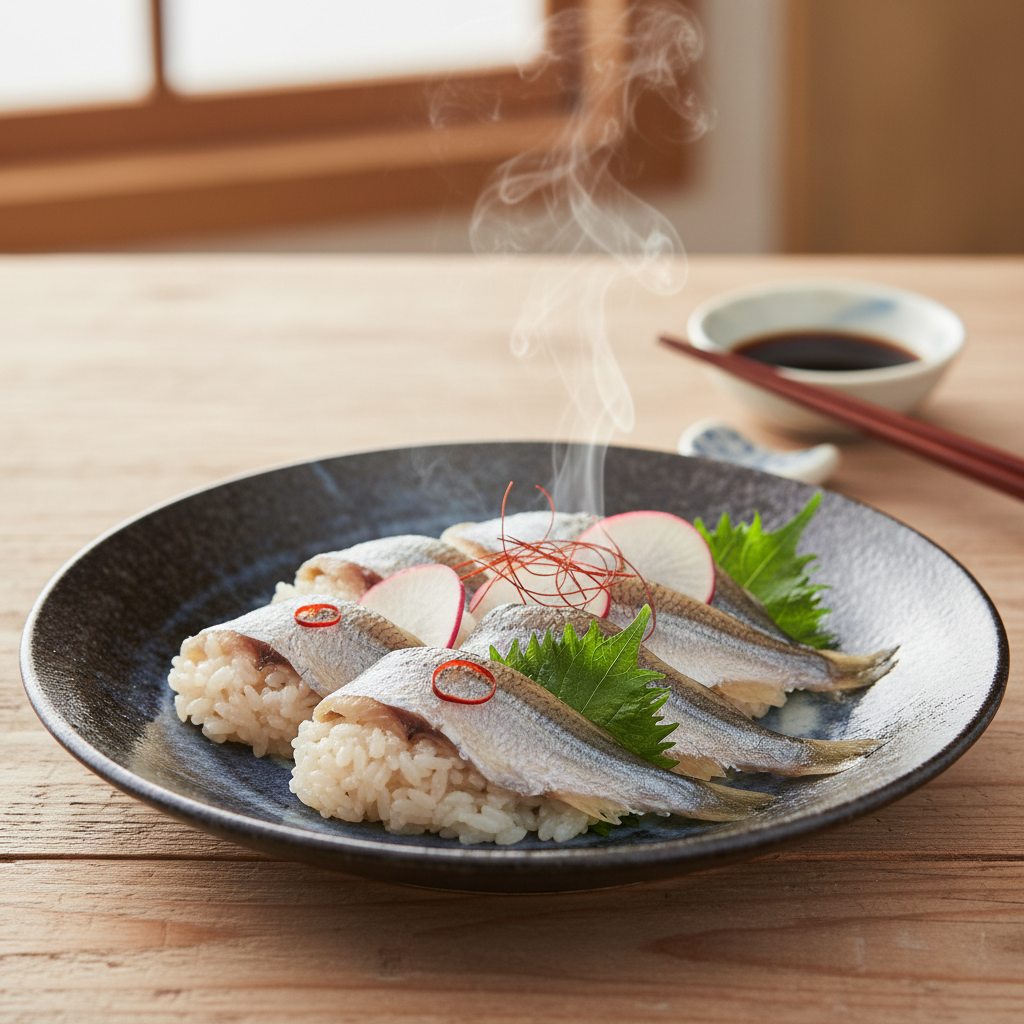
Hatahata sushi is a type of “iiuzushi (飯寿司)” that has been made for a long time in coastal areas of Akita Prefecture. Iiuzushi is a preserved food made by lactic acid fermentation using fish, cooked rice, and koji (mold), and it is a traditional fermented food that has been widely made in the Tohoku region and Hokkaido.
Basic Characteristics of Hatahata Sushi
Hatahata sushi is made by salting fresh hatahata flesh, then pickling it together with cooked rice, koji, and vegetables (mainly daikon radish and carrots), and letting it ferment naturally. The unique sourness and umami created by fermentation, combined with the delicate taste of hatahata, blend exquisitely to create an intricate, deep flavor. This is the defining characteristic.
Unlike ordinary nigiri sushi or maki sushi, its appeal lies in its high preservability through fermentation and the complex flavor that develops through aging over time. Its appearance is whitish, with rice, fish, and vegetables integrated into a single state when served.
About the Hatahata Fish
The Ecology and Characteristics of Hatahata
Hatahata (鰰, 雷魚, scientific name: Arctoscopus japonicus) is a fish belonging to the order Perciformes, family Hatahatidae, and is a small fish approximately 15-25 centimeters in body length. It is known as a species endemic to the Japan Sea, and is particularly abundant in waters off Akita Prefecture.
The body is elongated and laterally compressed, with a beautiful silvery-white body color. A major characteristic is the absence of scales, and it has a smooth, slimy skin. This characteristic of having no scales is said to be one of the origins of the name “hatahata,” derived from “urukonashi” (scaleless).
Hatahata Fishing Season and “Briko”
The hatahata fishing season in Akita Prefecture reaches its peak during the winter months from late November to December each year. During this period, hatahata that press toward the coast for spawning is called “seasonal hatahata” and has become a symbol of Akita winter.
In particular, because large quantities come ashore during thunderstorms and rough weather, it is also called by the alternative name “kaminariuo” (thunder fish). Female hatahata during the spawning season carry eggs (briko) in their bellies, and this briko is prized for its unique crunchy texture. There are hatahata sushi with this briko included, and it is a particularly popular delicacy.
History and Cultural Background of Hatahata Sushi
Positioning as a Local Specialty in Akita Prefecture
Hatahata sushi has been made since ancient times, particularly in coastal areas of Akita Prefecture, especially around the Oga Peninsula and in areas such as Noshiro City and Yamori District. As a traditional preserved food continuing from the Edo period, it was a valuable source of protein in winter and was an indispensable part of New Year’s cuisine.
In Akita Prefecture, the hatahata is designated as the “prefectural fish,” making it a special presence for the prefectural residents. In the past, there was even a phrase “hatahata goten” (hatahata mansion), and fishing towns that prospered from hatahata fishing existed.
Wisdom as Preserved Food
In the age before refrigeration technology, the method of preservation through salting and fermentation was developed as a way to preserve the large quantities of hatahata caught in winter for long periods. Hatahata sushi is a representative example of this preserved food and can be stored for several months if made correctly.
Not only does the lactic acid produced by fermentation increase preservability, but the fish protein is also broken down into amino acids, which increases umami and improves digestibility and absorption. It is a local dish packed with the food wisdom of our ancestors and is functionally sophisticated.
Inheritance and Challenges in Modern Times
In recent years, due to changes in lifestyle and the changing food preferences of younger generations, the custom of making hatahata sushi at home has shown a declining trend. However, food manufacturers, fishing cooperatives, and roadside stations throughout Akita Prefecture continue to manufacture and sell it, carrying on efforts to preserve the traditional taste.
Additionally, various initiatives are being undertaken in Akita Prefecture to preserve and pass on local cuisine, and through cooking classes and food education activities, efforts are being made to pass on the methods and culture of hatahata sushi to the next generation.
How to Make Hatahata Sushi
Basic Ingredients
Making hatahata sushi requires the following ingredients.
Main ingredients:
- Hatahata: 1 kg (preferably fresh with briko)
- Rice: 3-4 cups
- Rice koji: 200-300g
- Salt: appropriate amount (approximately 10% of the weight of the hatahata)
- Daikon radish: 1
- Carrot: 1
- Ginger: appropriate amount
- Red chili pepper: optional
Manufacturing Process
1. Preparing the Hatahata
First, remove the head and internal organs from fresh hatahata. Keep the briko (eggs). Rinse thoroughly with water and wipe away the excess moisture completely.
2. Salting
Sprinkle salt on the prepared hatahata, arrange it in a container, place a weight on top, and salt cure for 1-2 days. This process removes excess moisture and increases preservability.
3. Desalting
Soak the salted hatahata in water to remove the salt. Adjust the saltiness while checking, about 30 minutes to 1 hour. After desalting, drain the water thoroughly.
4. Preparing Rice and Koji
Cook the rice firmly and cool it to body temperature. Break up the koji by hand. Cut the daikon radish and carrot into thin strips, lightly salt them, and squeeze out the moisture.
5. Pickling
Spread a thin layer of rice on the bottom of the container. Arrange hatahata and vegetables on top. Sprinkle koji over everything and repeat in layers. Cover the top with rice, place a weight on it, and store in a cool, dark place.
6. Fermentation and Aging
Depending on the temperature, ferment for approximately 1-2 weeks. As fermentation progresses, the rice becomes softer and a unique sourness and aroma develop. When it reaches your preferred level of fermentation, store in the refrigerator to slow fermentation.
Tips for Making at Home
- Freshness is key: Hatahata is a fish that loses freshness quickly, so use the freshest possible.
- Temperature control: The optimal fermentation temperature is 10-15 degrees Celsius. If too warm, fermentation proceeds too quickly and becomes overly sour.
- Cleanliness: It is important to keep containers and utensils clean, such as by sterilizing with boiling water.
- Weight adjustment: Proper weighting draws out moisture, allowing fermentation to proceed uniformly.
The Flavor and How to Enjoy Hatahata Sushi
Unique Flavor and Texture
The greatest characteristic of hatahata sushi is the unique sourness and umami created by fermentation. The fresh sourness born from lactic acid fermentation, combined with the fat of the fish, creates an exquisite balance. The hatahata flesh is soft with a crumbly texture, and the bones become soft enough to eat whole.
In hatahata sushi with briko, the crunchy texture of the eggs serves as an accent, allowing for an even richer flavor. The sweetness of the koji, the umami of the rice, and the crisp texture of the vegetables come together to create a complex, deep flavor.
Recommended Ways to Eat It
Eat it plain:
This is the simplest way and allows you to enjoy the original flavor of hatahata sushi best. Remove from the refrigerator and let it come to room temperature slightly to bring out the flavor more.
Pairing with sake:
Hatahata sushi pairs exceptionally well with sake, particularly with local Akita sake. The umami unique to fermented foods harmonizes with the umami of sake, each bringing out the best in the other.
As a rice topping:
It is also delicious served on top of freshly cooked rice. The sourness of the hatahata sushi brings out the sweetness of the rice.
As ochazuke (tea rice):
Another way to enjoy it is to pour hot tea or dashi broth over it to make ochazuke. The hot broth brings out the aroma of fermentation, allowing you to enjoy a different flavor.
Storage Method and Shelf Life
After purchase or preparation, store hatahata sushi in the refrigerator. If stored properly, it will remain delicious for 1-2 months. However, fermentation continues gradually over time, and as time passes, the sourness becomes stronger.
After opening, seal tightly with plastic wrap to avoid air contact, and try to finish it as quickly as possible. Freezing is also possible, but the texture may change upon thawing, so refrigeration is preferable.
Nutritional Value and Health Benefits of Hatahata Sushi
Rich in Nutrients
Hatahata sushi is a fermented food with an excellent nutritional balance.
Protein:
Hatahata is a good quality source of protein, and since fermentation breaks it down into amino acids, digestibility and absorption are improved.
DHA and EPA:
Omega-3 fatty acids (DHA and EPA) found in fish support brain health and have blood-thinning effects.
Vitamins:
It is rich in B vitamins, particularly vitamin B12, which is useful for preventing anemia and maintaining nerve function.
Lactic acid bacteria:
The lactic acid bacteria produced during fermentation help improve the intestinal environment.
Calcium:
Because it can be eaten whole, including the bones, it is an excellent source of calcium.
Health Benefits as a Fermented Food
As a fermented food, hatahata sushi offers the following health benefits:
- Improved digestion and absorption: Because the protein is broken down through fermentation, it is easier to digest and places less burden on the stomach and intestines.
- Improvement of intestinal environment: Lactic acid bacteria increase beneficial bacteria in the intestines and balance the intestinal flora.
- Enhanced immune function: Through improved intestinal environment, enhanced immune function is expected.
- Increased umami components: Fermentation increases amino acids, enhancing umami and nutritional value.
Precautions When Eating
Hatahata sushi contains salt, so those with high blood pressure or kidney disease should be careful about consumption. Additionally, since some people may dislike the unique aroma or sourness of fermented foods, it is recommended to try a small amount first.
How to Purchase Hatahata Sushi
Purchasing Within Akita Prefecture
Roadside stations:
Roadside stations in Akita Prefecture, particularly those in coastal areas, sell locally made hatahata sushi. Famous ones include “Michi no Eki Akita-ko,” “Michi no Eki Tenno,” and “Michi no Eki Futatui.”
Supermarkets:
Supermarkets in Akita Prefecture sell hatahata sushi mainly during winter. The selection is most abundant from November to January.
Fishing cooperative direct sales outlets:
Direct sales outlets of fishing cooperatives in cities such as Oga and Noshiro sell fresh hatahata sushi. You can enjoy authentic flavors made by local fishermen and processors.
Specialty stores and established shops:
There are long-established shops in Akita City and coastal areas that specialize in hatahata sushi. You can purchase high-quality hatahata sushi made using traditional methods.
Online Purchase
Even if you live far away, you can purchase hatahata sushi through online shopping.
Akita Prefecture antenna shops:
Akita Prefecture antenna shops, such as “Akita Bisai-kan” in Shinagawa, Tokyo, also carry them.
Online shopping sites:
Major online shopping sites such as Rakuten, Amazon, and Yahoo! Shopping sell hatahata sushi manufactured by Akita food makers and fishing cooperatives. It is shipped either chilled or frozen.
Hometown tax:
You can also choose hatahata sushi as a return gift for hometown tax contributions to municipalities within Akita Prefecture. It is available in places such as Oga City, Noshiro City, and Yamino Town.
How to Choose When Purchasing
- Check the manufacturing date: Newer products have shallower fermentation and a more mellow flavor.
- Presence or absence of briko: Those with briko offer more texture but are higher priced.
- Manufacturer: Choose products from well-known local established shops or reputable manufacturers for peace of mind.
- Storage condition: Choose items stored under refrigeration and store them in the refrigerator immediately after purchase.
Other Akita Local Dishes Using Hatahata
In Akita Prefecture, there are various local dishes using hatahata other than hatahata sushi.
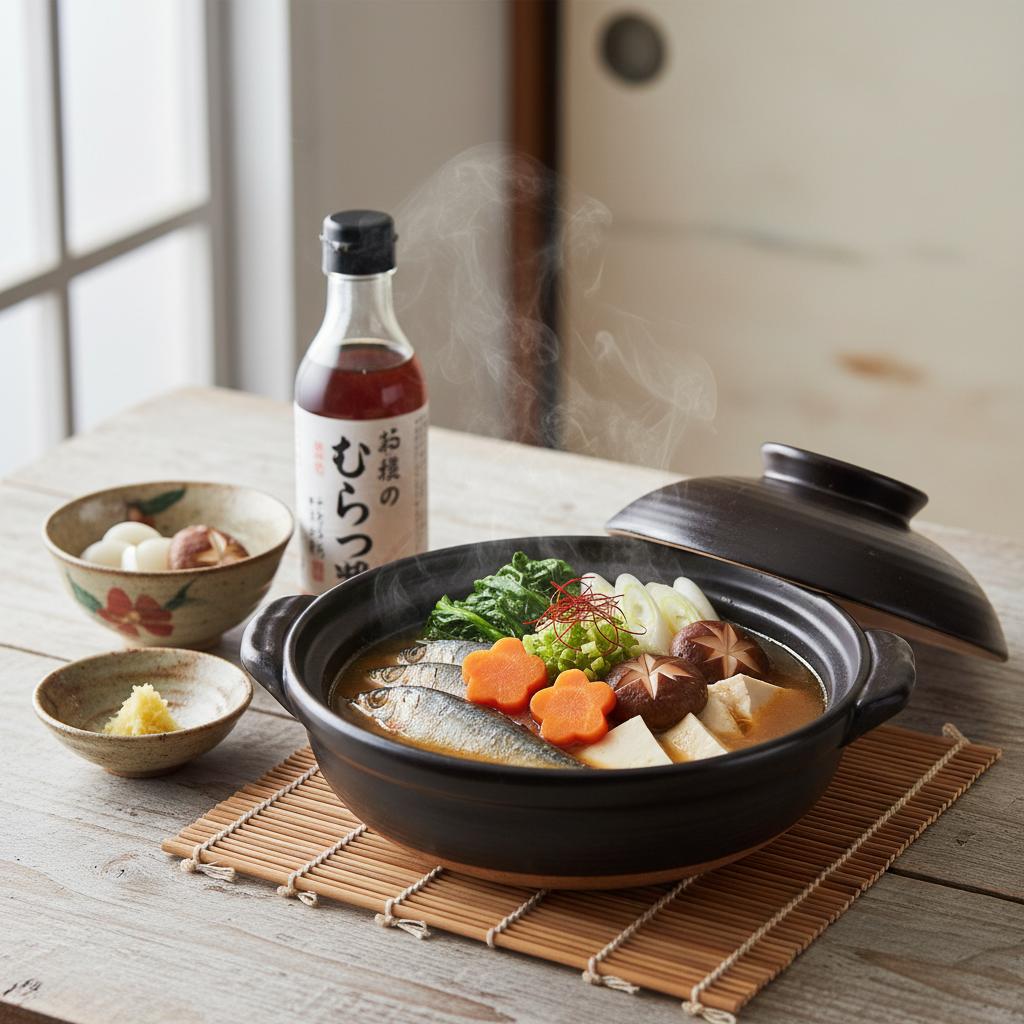
Shottsuru Nabe
Shottsuru nabe is a hot pot dish using “shottsuru,” a fish sauce made by salting and fermenting hatahata. It is one of Akita Prefecture’s representative local dishes, and is made by simmering hatahata, vegetables, tofu, and other ingredients. The unique umami and aroma of shottsuru are characteristic.
Hatahata Dengaku
This is hatahata grilled with miso brushed on top and then grilled again. The fragrant aroma and the sweet and salty taste of the miso entice the appetite.
Hatahata Simmered
A home-style dish simmered with soy sauce, sugar, and mirin in a sweet and salty manner. It is ideal as a rice side dish, and you can also enjoy the texture of the briko.
Hatahata Overnight Dried
Salted hatahata dried overnight and then grilled. Simple but allows you to enjoy the original taste of hatahata.
Fried Hatahata
Small hatahata fried until crispy. The bones can be eaten, and it is popular as a snack with alcoholic beverages.
Enjoying Hatahata Sushi Through Akita Sightseeing
Oga Peninsula
The Oga Peninsula is known as the heartland of hatahata fishing. In Oga City, famous for “namahage,” there are many restaurants where you can enjoy hatahata sushi and other hatahata dishes during winter.
Oga Aquarium GAO:
There are exhibits where you can learn about the ecology of hatahata and experience the richness of the Akita Sea.
Oga Hot Spring Village:
Many inns allow you to enjoy hatahata cuisine while soaking in hot springs.
Akita City
Akita City, the prefectural capital of Akita Prefecture, is well-equipped with taverns and restaurants serving local cuisine.
Akita Citizens Market:
A market where fresh seafood lines the shelves, and hatahata sushi can also be purchased.
Kawabata (川反):
A lively district in Akita City where restaurants serving local cuisine are concentrated.
Noshiro City and Yamino Town
Noshiro City and Yamino Town in northern Akita Prefecture are also areas with thriving hatahata fishing.
Michi no Eki Hachimori:
You can purchase hatahata sushi and processed products made locally.
Noshiro Port:
A fishing port where fresh seafood is landed, and there are seafood restaurants in the surrounding area.
Events Related to Hatahata
Hatahata Festival:
An event held in Oga City and elsewhere where hatahata dish tastings and sales are conducted. It is typically held from November to December.
Akita Food Festival:
An event where local Akita cuisine comes together, and hatahata sushi can also be enjoyed.
Protection of Hatahata Resources and Sustainability
Current State of Hatahata Resources
In the early 1990s, hatahata landings declined dramatically, and the resource faced the crisis of depletion. Overfishing and changes in the marine environment are cited as causes, and from 1992 to 1994, Akita Prefecture took the drastic measure of a complete fishing ban.
This three-year fishing ban and subsequent resource management have resulted in a recovery trend in hatahata resources. Currently, efforts to manage sustainable fisheries continue through measures such as catch limits and fishing season regulations.
Resource Management Efforts
Catch limits:
An annual total catch is set and adjusted according to resource levels.
Fishing season regulation:
To protect spawning hatahata, fishing seasons are limited.
Body size restrictions:
Rules are in place to not catch fish below a certain size.
Resource surveys:
Every year, hatahata resources are scientifically surveyed, and sustainable catch levels are determined.
What Consumers Can Do
We who enjoy hatahata sushi can also contribute to resource protection.
- Purchase at fair prices: Products that are too inexpensive may result from unsustainable fishing practices.
- Eat during peak season: Eating during peak season supports resource-managed fisheries.
- Reduce food waste: It is important to finish purchased hatahata sushi deliciously and not waste it.
- Support the production area: Choosing Akita Prefecture-produced hatahata products supports the region’s sustainable fisheries.
Conclusion: The Appeal and Future of Hatahata Sushi
Hatahata sushi is a traditional local dish that embodies the rich bounty of Akita Prefecture’s sea and the wisdom of our ancestors. It embodies the essence of Japanese food culture through fermentation and continues to captivate many people with its unique flavor and high nutritional value.
During the cold winter months, hatahata that cross rough waves and press toward the coast. This fish is carefully processed and aged through fermentation over time, creating hatahata sushi that transcends being merely food and becomes an important presence for conveying Akita’s natural landscape and culture.
In modern times, the opportunity to make it at home has decreased due to changes in lifestyle, but the traditional taste is preserved through the efforts of local manufacturers, fishing cooperatives, and local governments. It also attracts attention as a tourism resource, serving the role of conveying the region’s charm to visitors to Akita.
Protection and sustainable use of hatahata resources, combined with the preservation of traditional manufacturing methods and flavors—this balance is the key to a bright future for hatahata sushi.
If you have the opportunity to visit Akita, please be sure to taste authentic hatahata sushi at its source. For those living far away, you can also purchase it through online shopping and enjoy Akita’s winter flavors. With one bite, you should be able to feel the rough waves of the Japan Sea and the livelihoods of Akita people who have endured them.
Hatahata sushi is an irreplaceable local dish that teaches us the excellence of Japan’s fermented food culture and the importance of cuisine rooted in local communities.