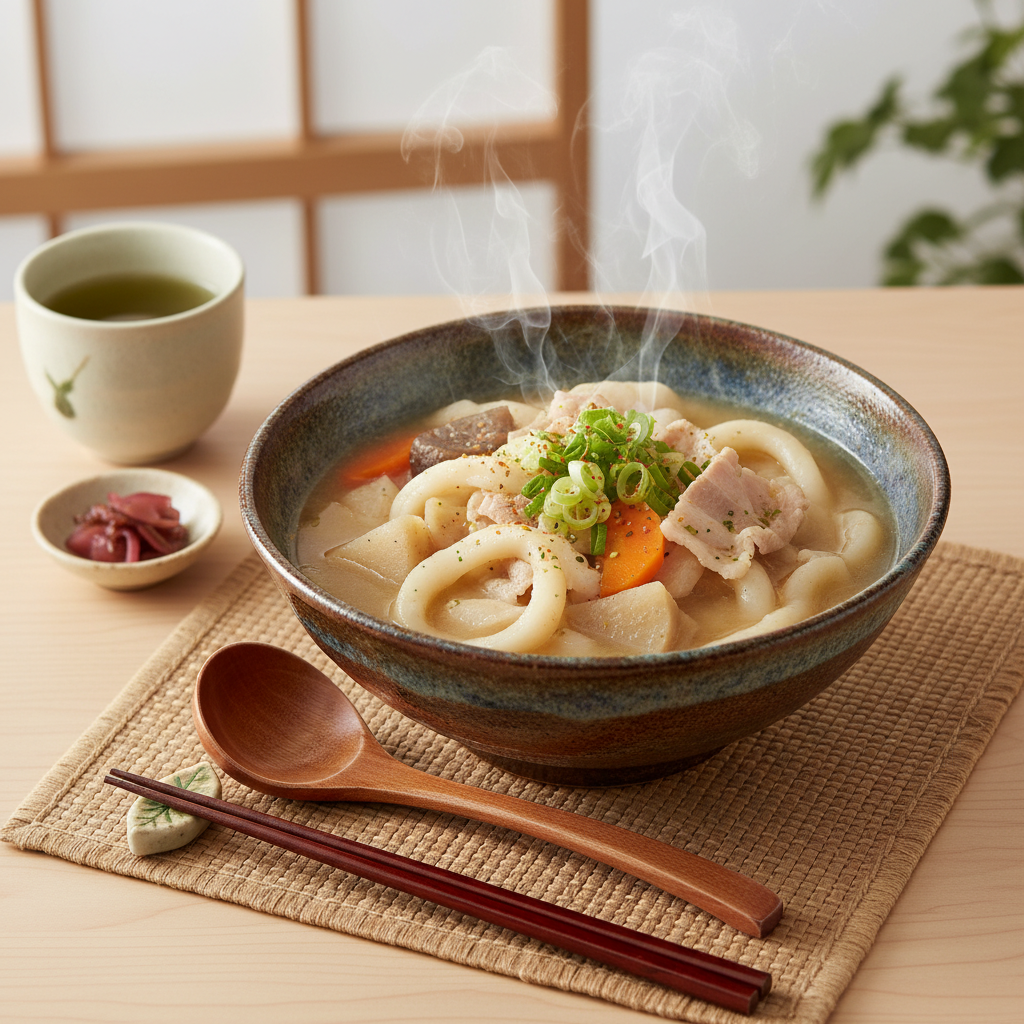

Complete Guide to Gomadashi | How to Make, Eat, and History of Oita Prefecture Saiki City’s Local Cuisine
Gomadashi, a local dish from Oita Prefecture, is a superb seasoning created by abundant seafood and traditional manufacturing methods—a hidden gem known by those in the know. In the local area, this flavor naturally graces dinner tables every day, characterized by a deep umami and fragrance that you won’t forget once you taste it. This article provides a comprehensive explanation of gomadashi from its history to preparation methods and applications, covering every angle.
What is Gomadashi? A Traditional Seasoning from Saiki City, Oita Prefecture
Gomadashi is a local dish that has been cherished since ancient times in coastal areas along Bungo Channel, centered on Saiki City in Oita Prefecture. It is known as a versatile seasoning made by roasting white fish such as Japanese sandeel and flying fish, then grinding them together with roasted sesame seeds, soy sauce, mirin, and other seasonings.
Basic Characteristics of Gomadashi
The greatest characteristic of gomadashi is the profound depth that emerges from the exquisite harmony between the umami of fish and the fragrance of sesame. It comes in paste or sprinkle form, and can be enjoyed by placing it on warm rice or dissolving it in udon or somen soup broth.
The main ingredients are as follows:
- White fish (Japanese sandeel, flying fish, horse mackerel, etc.)
- Roasted sesame (white sesame is common)
- Soy sauce
- Mirin
- Sugar
- Other seasonings (varies by household and manufacturer)
History and Cultural Background of Gomadashi
A Crystallization of Wisdom Born in a Fishing Town
The origin of gomadashi lies in the fishing towns of Saiki City facing Bungo Channel. Bungo Channel, known as a prime fishing ground where warm and cold currents meet, has yielded diverse varieties of fish.
Japanese sandeel in particular was valued as a raw material for processed fish products like kamaboko due to its soft flesh and numerous small bones, but was difficult to eat as is. Fishermen developed a cooking method to enjoy this fish deliciously without waste—roasting it, shredding it, and grinding it together with sesame.
Its Role as Preserved Food
In times without refrigeration, gomadashi was also an important preserved food. By roasting fish to remove moisture and adding salt to increase preservation, it was utilized as portable food for fishing expeditions and as a seasoning to enrich daily dining tables.
Food Culture Rooted in the Community
In Saiki City, unique gomadashi recipes are passed down in each household and cherished as “grandmother’s taste.” There are subtle differences in the type of fish used, the amount of sesame, and the proportions of seasonings, so each household has its own distinctive flavor.
Traditional Method for Making Gomadashi
Required Ingredients (for convenient portions)
- Japanese sandeel or flying fish: 500g (filleted into three pieces)
- White sesame seeds: 200g
- Soy sauce: 4 tablespoons
- Mirin: 3 tablespoons
- Sugar: 2 tablespoons
- Salt: 1 teaspoon
Basic Manufacturing Process
1. Fish Preparation
Fillet the Japanese sandeel or flying fish into three pieces and carefully remove the bones. This step is particularly important as remaining small bones will negatively affect texture.
2. Roasting the Fish
Slowly roast the fish flesh over medium heat. Once the surface is browned and cooked through, fragrance and preservation quality increase. Be careful not to over-roast as this can develop bitterness.
3. Shredding the Flesh
Finely shred the roasted fish flesh. While doing so, carefully confirm there are no remaining bones.
4. Roasting the Sesame
Roast white sesame seeds in a frying pan until fragrant. The key is to roast over low to medium heat while constantly stirring to avoid burning.
5. Grinding in a Mortar
Place the roasted sesame into a suribachi mortar and grind until about halfway through. Rather than making it completely paste-like, the traditional method preserves some sesame texture.
6. Adding Fish and Seasonings
Add the shredded fish flesh and seasonings (soy sauce, mirin, sugar, salt), then grind further in the mortar. Continue mixing until everything is uniform and becomes a moist, paste-like consistency.
7. Flavor Adjustment
Taste and adjust with soy sauce or sugar. You can make it sweeter or saltier according to household preference.
8. Storage
Place in a clean storage container and refrigerate. If stored properly, it can be enjoyed for about one week.
Modern Arrange Recipes
Quick Version Gomadashi
Introducing an easier-to-make arrange version for busy modern people.
Ingredients:
- Dried horse mackerel: 2 fillets
- Ground sesame: 100g
- Mentsuyu (3x concentrate): 3 tablespoons
- Sesame oil: 1 teaspoon
Preparation:
- Roast the dried horse mackerel and shred the flesh
- Mix with ground sesame
- Season with mentsuyu and sesame oil
Western-Style Gomadashi Paste
A Western-style arrangement that goes well with pasta and salads.
Ingredients:
- Basic gomadashi: 3 tablespoons
- Olive oil: 2 tablespoons
- Lemon juice: 1 teaspoon
- Grated garlic: a pinch
Usage:
Pasta sauce, salad dressing, topping for grilled vegetables, etc.
Delicious Ways to Eat Gomadashi
Standard Ways to Eat
1. Gomadashi Tea Rice
The most popular way to enjoy gomadashi. Place gomadashi on warm rice, pour hot tea or dashi broth over it, and eat. Simple yet outstanding, the umami of fish and sesame shine brightly.
Preparation:
- Serve rice in a bowl
- Top with about 2 tablespoons of gomadashi
- Pour hot green tea or dashi broth over it
- Garnish with chopped green onion or seaweed as desired
2. As Broth for Udon and Somen
Dissolve gomadashi into warm broth and use as broth for udon or somen noodles. Ordinary noodle dishes instantly transform into local cuisine.
3. Onigiri Filling
Mix gomadashi into rice and make onigiri. You get a fragrant, satisfying rice ball. Perfect for lunch boxes.
Applied Dishes
4. Gomadashi Cold Tofu
Simply top cold tofu with gomadashi for a flavorful dish unlike the usual. Perfect for hot summer days.
5. Gomadashi Mixed Salad
Toss vegetable salad with gomadashi as a dressing substitute. Works perfectly with any vegetable—cabbage, cucumber, tomato, etc.
6. Gomadashi Pasta
Mix gomadashi with olive oil and coat pasta for Japanese-style pasta. Even more delicious topped with shiso leaves or myoga.
7. Grilled Gomadashi Onigiri
Brush gomadashi on rice ball surfaces and grill—fragrance is doubled.
8. Gomadashi Egg Rice
Add gomadashi to egg rice for increased richness and umami. Using gomadashi alone instead of soy sauce is already delicious enough.
Nutritional Value and Health Benefits of Gomadashi
Rich Nutrients
Gomadashi is a health food combining fish and sesame, both nutritionally rich ingredients.
Protein
Contains abundant high-quality protein from fish. Helps maintain muscles and improve immune function.
Calcium
Sesame is rich in calcium, contributing to the health of bones and teeth.
Sesamin
Sesamin, a sesame-specific antioxidant, is said to have effects on anti-aging and prevention of lifestyle diseases.
Omega-3 Fatty Acids
DHA and EPA from fish are said to be beneficial for brain health and cardiovascular health.
Vitamins and Minerals
Contains a balanced mix of diverse vitamins and minerals including vitamin E, B vitamins, iron, and zinc.
Health Precautions
Since gomadashi contains soy sauce and salt, attention should be paid to salt content. Those with high blood pressure or under salt restrictions should limit intake or choose low-sodium versions.
How to Purchase Gomadashi and Recommended Products
Purchasing in Saiki City Locally
When visiting Saiki City, you can purchase gomadashi at the following locations:
- Michi-no-Eki Yayoi: Local gomadashi products abundantly available
- Saiki Fish Market: Fresh fish and homemade gomadashi also sold
- Local supermarkets: Compare multiple manufacturers’ products
- Souvenir shops: Gift sets for tourists available
Online Purchase
Even for those living far away, authentic gomadashi can be purchased via internet shopping:
- Rakuten Marketplace: Many Saiki City-produced gomadashi listed
- Amazon: Can choose based on reviews
- Oita Prefecture antenna shops: Located in major cities like Tokyo and Osaka
- Manufacturer direct sales sites: Available from established manufacturers’ official sites
Selection Tips
Check Ingredients
Choose products with few additives where fish and sesame are the main ingredients. Products with “fish” or “sesame” listed first in the ingredients are of better quality.
Confirm Manufacturing Date
Choose the newest available for best flavor and taste.
Select by Type
Gomadashi comes in paste and sprinkle types. Choose according to intended use:
- Paste type: Ideal for tea rice and udon broth
- Sprinkle type: Easy to sprinkle on rice with high shelf stability
Price Range
Generally ranges from 300 to 1,000 yen. Higher-priced products tend to use more fish and have more concentrated umami.
Collection of Local Dish Recipes Using Gomadashi
Saiki Sushi (Gomadashi Sushi)
Saiki sushi, a local specialty of Saiki City, is pressed sushi made with gomadashi.
Ingredients (serves 4):
- Sushi rice: 3 portions
- Gomadashi: 5 tablespoons
- Sashimi (horse mackerel, mackerel, etc.): 200g
- Cucumber: 1
- Shiso leaves: 10 leaves
Preparation:
- Mix gomadashi into sushi rice
- Pack sushi rice into pressed sushi mold
- Arrange sashimi, cucumber, and shiso leaves on top
- Place weight and let sit about 30 minutes
- Cut into easy-to-eat sizes
Gomadashi Mixed Rice
Ingredients (serves 4):
- Rice: 3 portions
- Gomadashi: 4 tablespoons
- Soy sauce: 2 tablespoons
- Mirin: 1 tablespoon
- Dashi broth: as needed
- Ingredients (mushrooms, carrot, fried tofu, etc.): as preferred
Preparation:
- Rinse rice and soak 30 minutes
- Add rice, gomadashi, soy sauce, and mirin to rice cooker
- Add dashi broth to the 3-portion mark
- Top with ingredients and cook
- Mix when cooked through
Gomadashi Miso Soup
Ingredients (serves 4):
- Dashi broth: 800ml
- Miso: 3 tablespoons
- Gomadashi: 2 tablespoons
- Tofu: 1 block
- Wakame seaweed: as needed
- Green onion: as needed
Preparation:
- Warm dashi broth and add tofu and wakame
- Dissolve miso
- Add gomadashi just before turning off heat
- Scatter green onion and serve
Storage Methods and Shelf Life of Gomadashi
Storage of Homemade Gomadashi
Refrigeration
Store homemade gomadashi in a clean sealed container in the refrigerator. If stored properly, it can be enjoyed for about one week.
Storage Tips:
- Use a clean spoon when using
- Regularly wipe dirt from container mouth and lid
- Minimize exposure to air
Freezing
For long-term storage, can be frozen in portions.
Freezing Method:
- Wrap in plastic wrap in single servings
- Place in zip-lock bag and remove air
- Store in freezer (can preserve about one month)
- Thaw naturally in refrigerator before use
Storage of Commercial Products
Before Opening
Store at room temperature away from direct sunlight. Shelf life varies by product but is generally 6 months to 1 year.
After Opening
Always refrigerate and use within 2 weeks to 1 month. Check the storage method and expiration date noted on the product package.
Gomadashi and Other Oita Prefecture Local Dishes
Oita Prefecture has many attractive local dishes besides gomadashi.
Ryukyu
Fresh fish sashimi marinated in soy sauce-based sauce. Sometimes eaten together with gomadashi.
Dango Jiru
Flat dumplings made from wheat flour and vegetables simmered in miso-based broth. Warms the body during cold seasons.
Tori-ten
Chicken tempura. A standard menu item in Oita Prefecture izakayas, enjoyed with ponzu or matcha salt.
Sekiaji and Sekisaba
Premium brand fish caught in Bungo Channel. Best enjoyed as sashimi, but also delicious combined with gomadashi.
Example Meal Plans Using Gomadashi
Breakfast Menu
- Gomadashi tea rice
- Miso soup
- Grilled fish
- Pickles
- Egg omelet
Lunch Menu
- Gomadashi udon
- Onigiri (with gomadashi)
- Simmered vegetables
- Fruit
Dinner Menu
- Gomadashi mixed rice
- Assorted sashimi
- Tempura
- Miso soup with gomadashi
- Vinegared dish
Efforts to Preserve Gomadashi Culture
Community Succession Activities
Various efforts are being undertaken in Saiki City to pass gomadashi culture to the next generation.
Provision in School Lunches
Local elementary and middle schools regularly serve meals using gomadashi, creating opportunities for children to become familiar with local flavors.
Gomadashi Preparation Experience Classes
Experience classes teaching traditional gomadashi preparation methods are held for tourists and community residents.
Gomadashi Contests
Annual contests are held where unique gomadashi recipes compete, generating new ideas.
Product Development and Sales Channel Expansion
In recent years, development of new products using gomadashi has progressed:
- Gomadashi Dressing
- Gomadashi Crackers
- Gomadashi Sprinkle
- Gomadashi Pasta Sauce
These products are now available at antenna shops nationwide and online shops, contributing to increased gomadashi awareness.
Recommendations for Gomadashi Tourism
Gomadashi Spots in Saiki City
To fully enjoy gomadashi, visiting Saiki City, its birthplace, is recommended.
Saiki City Tourism Association
Information on gomadashi maps and experience programs can be obtained.
Gomadashi Specialty Shops
Specialty shops serving gomadashi-based dishes are found throughout the city where you can enjoy various arrange menus.
Manufacturing Plant Tours
Some manufacturers accept factory tours by reservation, allowing you to witness gomadashi manufacturing processes firsthand.
Recommended Sightseeing Route
Day 1:
- Morning: Observe fresh fish at Saiki Fish Market
- Lunch: Lunch at gomadashi specialty shop
- Afternoon: Participate in gomadashi preparation experience class
- Evening: Purchase souvenirs at roadside station
Day 2:
- Morning: Bungo Channel cruise
- Lunch: Gomadashi tea rice at local restaurants
- Afternoon: Stroll through castle town
Conclusion: Savoring Oita’s Food Culture with Gomadashi
Gomadashi is a local dish that Oita Prefecture’s Saiki City takes great pride in, a traditional flavor packed with the wisdom of fishing towns and the blessings of the sea. Despite being made from simple ingredients, the umami of fish and fragrance of sesame harmonize exquisitely, and as a versatile seasoning long cherished locally, it remains beloved.
By making it yourself, you enjoy the pleasure of adjusting flavors to personal preference, and by using commercial products, you can easily savor authentic taste. Beyond standard preparations like tea rice and udon, trying modern arrange recipes lets you discover new charms of gomadashi.
With high nutritional value and contributing to healthy living, gomadashi is truly a treasure of Japanese food culture. Those who have yet to try it are encouraged to experience its taste. If possible, visiting Saiki City to touch the authentic flavor and culture is recommended.
May you appreciate Oita Prefecture’s rich food culture and the practical wisdom of people who have lived with the sea through gomadashi. Incorporate this traditional flavor into your daily dining table and enjoy a rich food life.