Complete Guide to Salmon Chanchannyaki | History, How to Make, and Arrangement Recipes of Hokkaido’s Representative Local Cuisine
What is Salmon Chanchangyaki
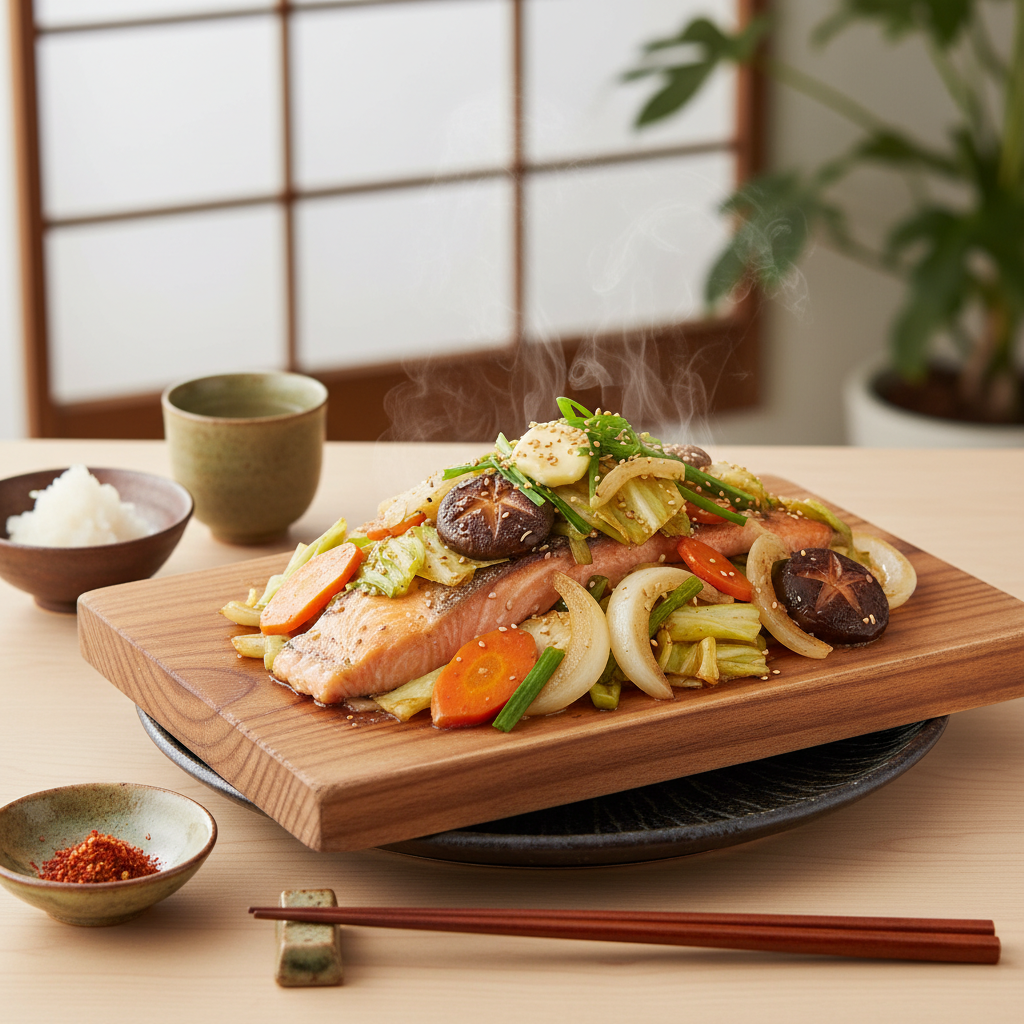
Salmon chanchangyaki (さけのちゃんちゃんやき) is one of Hokkaido’s representative local dishes. It is known as a hearty dish made by steaming and baking fresh salmon caught from autumn to winter and seasonal vegetables on an iron plate or frying pan, seasoned with a special miso-based sauce.
In 2007 (Heisei 19), the Ministry of Agriculture, Forestry and Fisheries selected it as one of the “One Hundred Local Dishes of Agricultural, Forestry and Fishing Villages,” alongside Genghis Khan and Ishikari Nabe, as a representative dish of Hokkaido. Through this selection, the dish became widely known not only in Hokkaido but throughout the country, and is now established as a home-cooked meal.
The greatest characteristic of chanchangyaki is how the umami of salmon and the sweetness of vegetables harmonize beautifully through miso and butter. Despite its simple cooking method, it is a dish packed with Hokkaido’s wisdom of bringing out the best qualities of ingredients.
History, Origins, and Related Events
Birthplace and Background of Origin
Salmon chanchangyaki is said to have been born in the fishing towns of the Ishikari region in the early Showa period. At that time, fishermen used makeshift iron plates made by cutting oil drums in half on ships and beaches, cooking fresh salmon with vegetables. This hearty cooking method became the prototype of chanchangyaki.
The Ishikari region has long been an active salmon fishing area, and in autumn, large numbers of salmon migrate upstream in rivers. For fishermen, salmon was an everyday ingredient, and this dish naturally developed as an efficient and delicious way to eat it.
The Name Has Multiple Theories
The unique name “chanchangyaki” has several theories about its origin.
The most popular theory is that it was named after the sound of the iron plate and spatula making a “chan-chan” sound during cooking. The sound of fishermen vigorously mixing salmon and vegetables on an iron plate is believed to be the origin of the dish’s name.
Another theory is that it comes from the meaning of “cha-cha-to tsukureru” (quick to make). There is strong support for the theory that the name comes from the fact that busy fishermen treasured this as a quick dish to prepare.
Additionally, there are theories that it was named “chanchangyaki” because it’s a dish made by “tou-chan” (dad), or that it derives from Ainu language, but no conclusive evidence has been found.
Spread Across All of Hokkaido
Initially limited to fishing towns in the Ishikari region, chanchangyaki gradually spread throughout Hokkaido due to its deliciousness and ease of preparation. Particularly from the 1960s onward, with the development of tourism, it began to be served as a local dish for tourists visiting Hokkaido, gradually gaining nationwide recognition.
Today, it has become a standard menu item at restaurants and hotels throughout Hokkaido, and is also established as a dish that can be easily made at home. Additionally, similar dishes are made in some areas of Aomori Prefecture, making it a dish that symbolizes the fishing town culture of northern Japan.
Main Regions of Transmission
Salmon chanchangyaki is enjoyed throughout Hokkaido, but is particularly strongly transmitted in the following regions.
Ishikari Region
The Ishikari region, said to be the birthplace, is currently known as the authentic home of salmon chanchangyaki. In Ishikari City, chanchangyaki, along with Ishikari Nabe, is positioned as a representative dish of the region’s food culture, and is served at many restaurants.
Near the mouth of the Ishikari River, salmon migration can be seen in autumn, and during this period, local families frequently make chanchangyaki. Large-scale chanchangyaki is sometimes served at local festivals and events using large iron plates, also serving as a dish that connects regional communities.
Central and Southern Hokkaido Region
In the central Hokkaido region, including Sapporo City, chanchangyaki has become widely established as a home-cooked dish. Supermarkets sell “chanchangyaki-style miso sauce,” allowing anyone to easily recreate authentic flavors.
In the southern Hokkaido region such as Hakodate City, chanchangyaki has long been made due to active salmon fishing. There are subtle differences in the type of miso and combination of vegetables depending on the region, and each household’s own taste is passed down.
Eastern and Northern Hokkaido Region
In the eastern Hokkaido region such as the Shiretoko Peninsula and Nemuro region, and in the northern Hokkaido region such as Wakkanai City, chanchangyaki is eaten daily because salmon is abundantly available. In these regions, because fresher salmon can be used, there is a tendency to prefer chanchangyaki with simple seasoning that makes the most of the ingredient’s natural flavors.
Main Ingredients Used
Salmon (Sake)
The salmon that plays the main role in chanchangyaki is said to be best with autumn salmon (white salmon). Autumn salmon caught from September to November has a good balance between fat content and the firmness of the flesh, and pairs excellently with miso.
Traditionally, half a salmon is used boldly, but when making it at home, using fillets is standard. Fresh salmon is the basic choice, but when using salted salmon, it is necessary to adjust the salt level of the miso sauce considering the salt content.
Hokkaido has the highest salmon catch in Japan, and the easy availability of fresh, high-quality salmon is one reason this dish has developed.
Vegetables
Cabbage is the most important vegetable and is used generously. When cooked, its sweetness increases, and it absorbs the umami of the salmon and miso sauce to create a superb taste. Winter cabbage is sweeter than spring cabbage and is better suited for chanchangyaki.
Bean sprouts are an essential ingredient as an accent for texture. Their crispy bite adds lightness to the entire dish.
Onion is used thinly sliced and brings out sweetness when cooked. It plays an important role in highlighting the umami of salmon and miso.
Bell pepper and carrot are added for color and nutritional balance. Depending on the region and household, leeks, shiitake mushrooms, and other mushrooms like enoki mushrooms are sometimes added.
Miso Sauce Ingredients
The key to the flavor of chanchangyaki is the special miso sauce.
Miso is often made with Hokkaido-produced rice miso or barley miso, and the preferred miso is chosen depending on the region and household. Some people blend red miso and white miso.
Sugar or mirin is added for sweetness, and sake adds depth. Butter is added at the finish and plays an important role in increasing flavor and creaminess.
Additionally, grated garlic or grated ginger can be added to increase flavor, and arrangements like adding doubanjiang or ichimi togarashi (single chili pepper) for spice are popular.
How to Make It
Basic Ingredients (Serves 4)
Main ingredients:
- Fresh salmon fillet 4 pieces (approximately 400g)
- Cabbage 1/2 head (approximately 400g)
- Bean sprouts 1 bag (200g)
- Onion 1
- Carrot 1/2
- Bell pepper 2
- Butter 30g
Miso sauce:
- Miso 4 tablespoons
- Sugar 2 tablespoons
- Sake 2 tablespoons
- Mirin 2 tablespoons
- Soy sauce 1 teaspoon
- Grated garlic 1/2 teaspoon
- Grated ginger 1/2 teaspoon
Preparation
- Vegetable preparation: Remove the core from the cabbage and cut into bite-sized rough pieces. Slice the onion thinly, cut the carrot into matchsticks, and cut the bell pepper into thin strips after removing seeds. Rinse the bean sprouts lightly and drain.
- Salmon preparation: Remove any bones from the fresh salmon and cut into bite-sized pieces. Leave the skin on as it increases umami. Sprinkle lightly with salt (not in the quantities above) and let sit for about 5 minutes, then wipe away any water that emerges with paper towels.
- Miso sauce preparation: Place all miso sauce ingredients in a bowl and mix well. If the miso is stiff, add a small amount of water to thin it, making it easier to mix.
Cooking Steps (Using a Hot Plate)
- Start heating: Preheat the hot plate to 160-180 degrees and melt half the butter. Be careful not to set the temperature too high, as this can cause burning.
- Grill the salmon: Arrange the salmon fillets skin-side down and grill for 2-3 minutes until browned. Once browned, flip and lightly grill the flesh side. It’s okay if it’s not completely cooked at this point.
- Add vegetables: Heap vegetables around the salmon. Lay down onion and carrot first, then layer cabbage, bean sprouts, and bell pepper in order. Layer the vegetables generously as they will reduce in size when cooked.
- Steam and bake: Lightly sprinkle water (or sake, about 2 tablespoons) over all the vegetables, cover with aluminum foil or a lid, and steam-bake for 5-7 minutes. When the vegetables have wilted and the cabbage becomes translucent, proceed to the next step.
- Add miso sauce: Remove the lid and pour the prepared miso sauce over everything. Mix the vegetables and salmon together with a spatula while coating everything with the miso sauce. The “chan-chan” sound made at this moment is said to be the origin of the dish’s name.
- Finish: Add the remaining butter and mix until everything is evenly combined. Once the salmon is completely cooked and the vegetables are coated with miso sauce, it’s ready.
How to Make It in a Frying Pan
If you don’t have a hot plate at home, you can also make it deliciously in a large frying pan.
- Heat butter in a frying pan and grill the salmon.
- Move the salmon to the side, add vegetables, cover, and steam-bake.
- Once vegetables have wilted, add the miso sauce and mix everything together.
- Add butter as a final touch and serve.
With a frying pan, it’s difficult to make large quantities at once, so making 2-3 servings at a time is recommended.
Authentic Iron Plate Grilling Style
If making it outdoors or at a barbecue, try the authentic iron plate style.
- Heat the iron plate well and lightly oil it.
- Place half a salmon boldly on the plate and heap vegetables generously around it.
- Pour miso sauce over the top and cover with aluminum foil to steam-bake.
- Once vegetables have wilted, vigorously mix everything together with a spatula.
This method is closest to the original style made by fishermen on beaches and is perfect for enjoying with a large group.
Tips and Points for Making It Delicious
How to Choose and Handle Salmon
Selecting fresh raw salmon is most important. Choose fish with firm flesh and bright-colored blood stains. For fillets, choose those without any dripping liquid.
Salmon becomes dry and flaky if overcooked, so after lightly browning it initially, steam-bake it with the vegetables to maintain a fluffy texture.
Vegetable Cutting and Amount
Cut cabbage into fairly large rough pieces to maintain texture while absorbing the miso sauce well. If cut too thinly, too much water releases, making it watery.
Ideally, use 2-3 times the amount of vegetables as salmon. The more vegetables, the more the salmon’s umami and miso sauce soak into them, creating a well-balanced flavor.
Adjusting the Miso Sauce
The miso sauce varies in saltiness and sweetness depending on the type of miso used, so it’s important to taste and adjust. Those who prefer sweeter flavors can increase the sugar, while those who prefer more savory flavors can use more miso, adjusting to suit your preferences.
Apply a small amount of miso sauce to the salmon before adding vegetables, allowing the flavor to soak in. Add the remainder at the finish for a more pronounced flavor.
Adjusting Heat
High heat can cause too much water to release from vegetables or miso to burn. Medium to medium-low heat for slow steam-baking brings out the umami of the ingredients.
The steam-baking time needs adjustment depending on the amount of vegetables and heat level. The timing to add the miso sauce is when the cabbage becomes translucent and the bean sprouts have wilted.
How to Use Butter
Butter is added in two stages: initially when grilling the salmon, and again at the finish. The first butter adds a roasted aroma to the salmon, while the final butter adds richness and creaminess to the entire dish.
Margarine can be used instead of butter, but butter is definitely recommended for flavor and aroma.
Recipe Arrangements
Miso Sauce Variations
Spicy miso sauce: Adding doubanjiang (1-2 teaspoons) or ichimi togarashi to the basic miso sauce adds a spicy kick, making it perfect as a drinking appetizer.
Sesame miso sauce: Adding sesame seeds (2 tablespoons) and sesame oil (1 teaspoon) increases the fragrant, nutty flavor for a deeper taste.
Mild miso sauce: Using honey or maple syrup instead of sugar adds a creamy sweetness, making it easier for children to eat.
Yuzu kosho miso sauce: Adding yuzu kosho (1 teaspoon) adds a refreshing aroma and spice, creating a refined flavor.
Ingredient Arrangements
Mushroom-packed version: Adding plenty of shiitake, enoki, and shimeji mushrooms increases umami and creates an autumn-like flavor.
Root vegetable version: Adding potato, squash, and lotus root increases volume and creates a more filling dish. Pre-heat root vegetables in a microwave for quicker cooking.
Tofu version: Adding drained firm tofu increases protein for a healthier finish. Add tofu last as it breaks apart easily.
Corn version: In true Hokkaido style, adding sweet corn increases sweetness and becomes popular with children.
Arrangements with Fish Other Than Salmon
Chanchangyaki can be made deliciously with fish other than salmon.
Cod chanchangyaki: The mild flavor of cod pairs well with miso for a lighter finish.
Yellowtail chanchangyaki: Using fatty yellowtail creates a rich, umami-filled flavor. Winter yellowtail is recommended.
Mackerel chanchangyaki: The unique flavor of mackerel pairs well with miso, creating a dish that pairs well with rice.
Rice Dish Arrangements
Chanchangyaki rice bowl: Placing chanchangyaki over freshly cooked rice creates a hearty bowl. The miso sauce soaks into the rice deliciously.
Chanchangyaki fried rice: Stir-frying leftover chanchangyaki with rice creates a delicious miso butter-flavored fried rice.
Chanchangyaki rice balls: Shredding chanchangyaki and mixing it into rice before making rice balls creates perfect lunch box or snack options.
Dining Occasions and Seasons
Salmon chanchangyaki is enjoyed particularly as a seasonal dish from autumn to winter.
Autumn Salmon Season (September-November)
During this period, autumn salmon is at its most delicious, and Hokkaido sees various salmon dishes on the dinner table as “salmon season.” Chanchangyaki is made most frequently during this time and is often served when families and friends gather.
At local autumn festivals and harvest celebrations, large-scale chanchangyaki is sometimes served using large iron plates, playing a role as a dish that deepens regional community bonds.
As Winter Home Cooking
From November to February, when winter cabbage becomes sweeter, chanchangyaki remains popular as home cooking. Gathering around a hot plate to eat as a family warms the body and eases winter’s cold.
Year-Round Enjoyment
With advances in freezing technology today, fresh salmon is available year-round, allowing chanchangyaki to be enjoyed regardless of season. In summer, it increasingly appears on barbecue menus as a standard item made outdoors.
Dining Methods
Basic Eating Method
Chanchangyaki is typically eaten by having each person serve themselves directly from the hot plate or iron plate where it was cooked. Eating it piping hot maximizes enjoyment of the butter’s aroma and miso’s flavor.
Shredding the salmon while eating it together with vegetables allows the miso-coated vegetables’ sweetness and salmon’s umami to blend in your mouth, creating an exquisite harmony.
Pairing with Rice
Chanchangyaki pairs wonderfully with plain white rice. The rich miso and butter flavoring encourages eating more rice, and you could eat several bowls.
Pouring leftover miso sauce over rice is also a standard way to eat it in Hokkaido households. The miso sauce, infused with vegetable umami, is delicious enough to serve as rice’s side dish by itself.
Pairing with Alcohol
Chanchangyaki is also excellent as an drinking appetizer. It pairs particularly well with beer, and pairing with Hokkaido’s Sapporo Beer or Sapporo Classic makes it even more delicious.
For sake, Hokkaido’s dry pure rice sake or ginjo sake pair well. They highlight salmon and miso’s umami while refreshing the palate.
Shochu on the rocks and highballs are also recommended pairings, as they refresh the mouth from chanchangyaki’s rich flavor.
Preservation and Transmission Efforts
Regional Transmission Activities
In Ishikari City and various places throughout Hokkaido, efforts are being made to pass down chanchangyaki as a local dish to the next generation.
Incorporating chanchangyaki into school meals provides children with opportunities to experience their region’s food culture. Additionally, cooking classes and food education events in the community regularly offer lectures on how to make chanchangyaki.
Use as a Tourism Resource
An increasing number of restaurants and experience facilities throughout Hokkaido serve chanchangyaki to tourists. Experience-type facilities where tourists cook and eat salmon and vegetables themselves have become popular as rare opportunities to directly experience Hokkaido’s food culture.
Product Development Efforts
In recent years, various products have been developed to allow families to make chanchangyaki at home.
Chanchangyaki-style miso sauce: Sold at supermarkets and online shops, allowing you to recreate authentic flavors just by preparing salmon and vegetables.
Frozen chanchangyaki sets: Frozen foods with salmon, vegetables, and miso sauce sold in sets are now available nationwide.
Retort pouch: Ready-to-eat retort pouches have been developed and are popular as convenient products for enjoying local cuisine.
Promotion Through SNS and Media
Today, chanchangyaki recipes and delicious ways to eat it are widely shared through SNS. Numerous videos of homemade chanchangyaki are posted on Instagram and YouTube, making it familiar to younger generations as well.
Recipe introductions and arrangements by cooking researchers and food bloggers are also common, with this traditional local dish being updated in contemporary ways while being transmitted.
Value as a Hokkaido Brand
Chanchangyaki, along with Genghis Khan and Ishikari Nabe, is recognized as one of “Hokkaido’s three major salmon dishes” and is recognized as one of the dishes representing the Hokkaido brand.
The Hokkaido prefectural government and tourism associations continue to actively promote chanchangyaki and other local dishes, continuing efforts to communicate the appeal of Hokkaido’s food culture domestically and internationally.
Conclusion
Salmon chanchangyaki has developed from a simple dish born in fishing towns of the Ishikari region into a representative local dish of Hokkaido. Despite its simple cooking method of seasoning fresh salmon and seasonal vegetables caught from autumn to winter with miso and butter, it contains Hokkaido’s wisdom of maximizing ingredient umami.
When making at home, it can be easily recreated in a frying pan or on a hot plate, with wide room for arrangement, allowing each household to enjoy their own flavored version. It is a healthy dish that uses plenty of vegetables while having a rich flavor that stimulates the appetite, loved by people of all generations from children to adults.
In modern times, through product development and SNS promotion, it has become widely known in regions outside Hokkaido and has established itself as a solid Japanese local dish. Chanchangyaki, continuing to be loved by many people while preserving tradition and continuously creating new arrangements and ways of eating, will surely continue to be cherished in the future.
Please try recreating Hokkaido’s flavors in your own home and enjoy piping hot chanchangyaki together with family and friends.