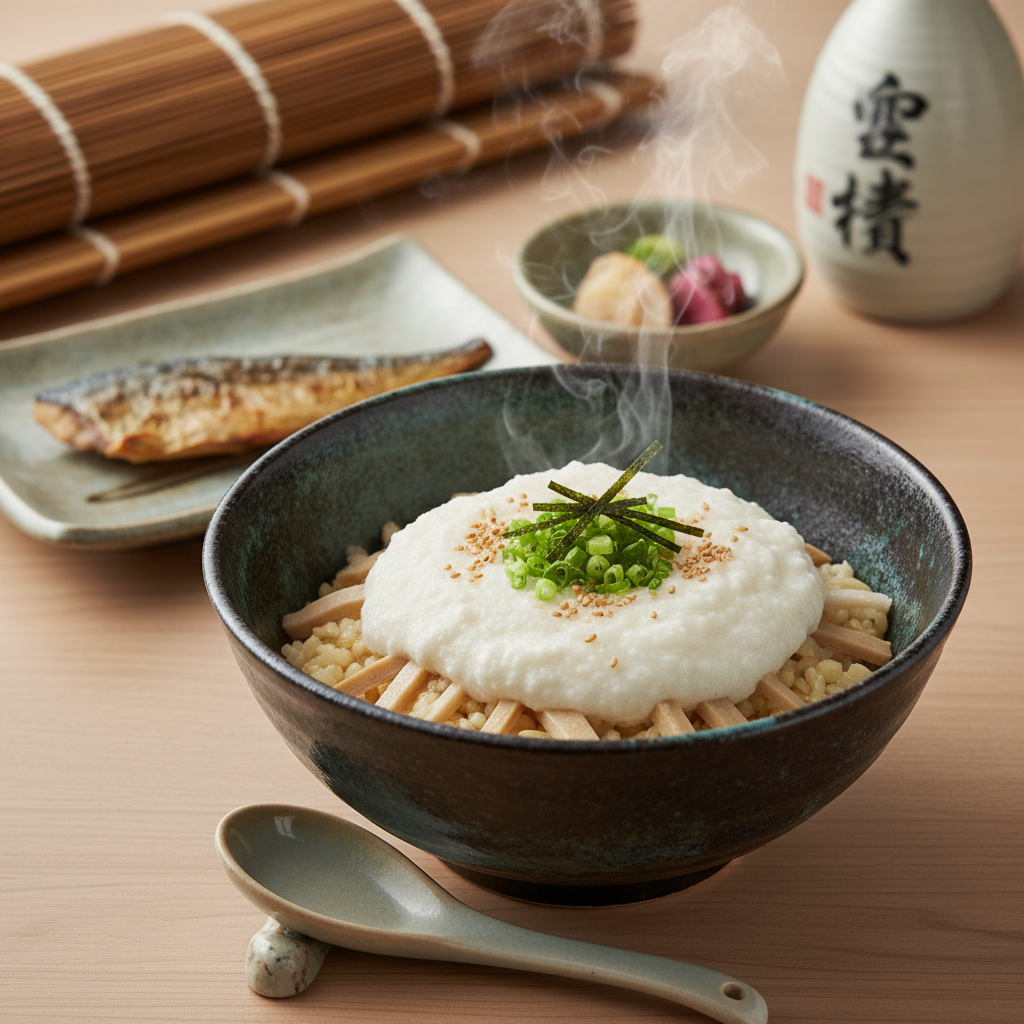

Wasabi Paste: History and Charm of Shizuoka Prefecture’s Proud Traditional Local Cuisine
Wasabi paste (wasabi-zuke), known nationwide as a representative local dish of Shizuoka Prefecture, is a traditional preserved food made by pickling chopped wasabi roots, stems, and leaves in sake lees. This dish, where the distinctive pungent spiciness of wasabi harmonizes exquisitely with the mellow aroma of sake lees, is a masterpiece born from Shizuoka Prefecture’s abundant natural environment and the wisdom of ancestors, passed down from the Edo period to the present day.
Wasabi Paste: Basic Knowledge of Shizuoka Prefecture’s Representative Mountain Wasabi Pickle
Wasabi paste (mountain wasabi pickle) is a traditional Japanese pickle made by finely chopping fresh wasabi roots, rhizomes, stems, and leaves, then pickling them with sake lees and sugar and other seasonings. Shizuoka Prefecture is said to be the birthplace of wasabi paste, and in particular, the Utougi district of Aoi Ward in Shizuoka City is known as the birthplace of wasabi cultivation and wasabi paste.
The greatest characteristic of wasabi paste is that while preserving the fresh pungency and aroma inherent to wasabi, the addition of the sweetness and richness of sake lees realizes a deep flavor distinct from a mere condiment. Enjoyed not only as an accompaniment to rice, but also as a side dish for Japanese sake, as an ingredient in ochazuke (tea rice), and served alongside processed foods such as fish cake and chikuwa, it is enjoyed in diverse ways of eating.
Main Ingredients Used in Wasabi Paste
The main ingredients used in wasabi paste are as follows:
- Hon-wasabi (true wasabi): The root, rhizome, stem, and leaf portions are used. True wasabi from Shizuoka Prefecture is considered the highest grade
- Sake lees: A by-product of sake brewing that mellows the pungency of wasabi and increases preservability
- Sugar: Brings out the flavor of sake lees and harmonizes the overall taste
- Salt: Sharpens the flavor and improves preservability
- Mirin: Adds sweetness and richness (used by some manufacturers)
True wasabi from Shizuoka Prefecture, cultivated with the clear spring water of the Abe River and the foot of Mount Fuji, is particularly prized for its high quality and greatly influences the quality of wasabi paste.
The Deep Relationship Between Shizuoka Prefecture and Wasabi: The Birthplace and Utougi District
The relationship between Shizuoka Prefecture and wasabi dates back to the Keichō period (1596-1615). It is said that wasabi cultivation began when wild wasabi growing on Butsuyama in the Utougi district of Aoi Ward, Shizuoka City, was planted near a spring water source in the same area.
Shizuoka Prefecture’s Natural Environment Suited to Wasabi Cultivation
The reason Shizuoka Prefecture became the center of wasabi cultivation lies in its blessed natural environment:
- Abundant spring water: Clear spring water from the upper reaches of the Abe River and the foot of Mount Fuji is stably supplied year-round
- Moderate temperature: A cool climate suitable for wasabi cultivation
- Rich forests: Create appropriate shade and provide an ideal environment for wasabi growth
- Clear water quality: Wasabi is a water-quality-sensitive plant, and Shizuoka’s clear streams are ideal
In the Utougi district, traditional wasabi paddies continuing since the Edo period are maintained to this day, and are highly valued for their cultural significance as traditional cultivation of Shizuoka water wasabi. In this region, wasabi cultivation and processing have developed as an integrated regional industry.
Shizuoka Prefecture’s Wasabi Production Volume and Quality
Shizuoka Prefecture remains one of Japan’s leading wasabi production areas, boasting top-class production volume and quality of true wasabi throughout the nation. Wasabi cultivation is carried out in various regions of the prefecture, including the Izu Peninsula, the upper reaches of the Abe River, and the foot of Mount Fuji, with characteristic wasabi produced according to each region’s water quality and climate.
The History of Wasabi Paste: From the Edo Period to the Present
The history of wasabi paste is closely linked to the development of Shizuoka Prefecture’s food culture.
Edo Period: The Birth of Wasabi Paste
The prototype of present-day wasabi paste was born during the Hōreki era (1751-1763) of the Edo period. It is said that Tajiri-ya Risuke, a merchant of Suruga Province (present-day eastern Shizuoka Prefecture), conceived a new type of pickle using sake lees, inspired by the bran pickle of wasabi stems passed down since ancient times in the Utougi district, and introduced it as a commercial product.
By using sake lees, the pungent component of wasabi was stabilized while preserving ability was enhanced, and the distinctive flavor of sake lees added a refined taste unlike traditional bran pickles. This innovative manufacturing method was readily accepted by people of the time.
Meiji Period: Sales at Shizuoka Station and Nationwide Proliferation
The turning point when wasabi paste became known nationwide was the start of sales in the Shizuoka Station building in Meiji 22 (1889). With the opening of the Tokaido Main Line, the number of travelers and business people visiting Shizuoka increased, and wasabi paste became popular as a side dish for station box lunches and a souvenir representing Shizuoka.
With the development of the railway network, wasabi paste became known nationally as a “Shizuoka specialty,” and many manufacturers emerged. From the Meiji period through the Taisho and early Showa periods, numerous wasabi paste manufacturers were founded in Shizuoka Prefecture, each competing with their own methods and flavors.
Present Day: Innovation While Preserving Tradition
In the present day, wasabi paste remains an indispensable part of the local dining table as a representative local dish of Shizuoka Prefecture. Long-established manufacturers continuing from the Edo and Meiji periods, such as Marui-ya Honten, Nozakura Honten, Yamamoto Foods, and Tajiri-ya, are developing products suited to contemporary tastes while maintaining traditional manufacturing methods.
In recent years, diverse product developments have been undertaken to meet varied needs, including adjustments in spiciness (mild-spicy, medium-spicy, extra-spicy), variation products such as wasabi with fish roe and wasabi with sea urchin, and small individual packages.
How to Make Wasabi Paste: Enjoying Traditional Flavor at Home
Wasabi paste can be made at home. Here we introduce the basic method of preparation.
Ingredients (Serves 2)
- Hon-wasabi (root): 50g
- Wasabi stems and leaves: 50g (if available)
- Sake lees: 150g
- Sugar: 2 tablespoons
- Salt: 1/2 teaspoon
- Mirin: 1 tablespoon (optional)
- Japanese sake: 2 tablespoons (for thinning sake lees)
Instructions
- Wasabi preparation: Peel the skin from the wasabi root and grate coarsely with a grater or chop finely. Chop stems and leaves finely as well. Since wasabi’s pungent component becomes activated through contact with air, allow 5-10 minutes after chopping before proceeding.
- Sake lees preparation: If the sake lees are hard, add sake and knead into a paste-like consistency. Mix well until smooth, as this is an important point.
- Mixing seasonings: Add sugar, salt, and mirin to the sake lees and mix well. Taste and adjust the amounts of sugar and salt to your preference.
- Combining wasabi and sake lees: Mix the chopped wasabi and seasoned sake lees in a bowl. If you wish to bring out the wasabi’s pungency more strongly, let it rest for a while after mixing before placing in the refrigerator.
- Aging: Place in an airtight container and refrigerate for at least one night. After 2-3 days, the flavors will harmonize and become even more delicious.
Tips for Preparation
- Use fresh wasabi: Wasabi’s freshness is paramount. Use the freshest true wasabi possible
- Quality of sake lees: Using high-quality sake lees results in wasabi paste with rich flavor
- Adjusting spiciness: The level of pungency can be adjusted by the amount of wasabi and how it is chopped. Coarse chopping yields stronger pungency, while fine chopping creates a milder flavor
- Storage period: Can be stored in the refrigerator for approximately 1-2 weeks, but it tastes better if consumed sooner
Major Traditional Areas and Manufacturers
We introduce regions within Shizuoka Prefecture where wasabi paste is manufactured and sold, and representative businesses.
Utougi District, Aoi Ward, Shizuoka City
In the Utougi district, the birthplace of wasabi paste, manufacturers preserving traditional methods still exist. In this region, handmade wasabi paste using self-cultivated wasabi is produced, and direct sales outlets for tourists are also in operation.
Long-Established Makers in Shizuoka City
- Marui-ya Honten: An established business founded in Meiji 8 (1875). Has a diverse product lineup including Gold Seal Wasabi Paste
- Nozakura Honten: Founded in Ansei 5 (1858). Manufactures premium wasabi paste using true wasabi from Utougi
- Tajiri-ya: An established business with roots in the originator of wasabi paste
Izu Region
- Yamamoto Foods: A representative wasabi processing maker of the Izu region. Manufactures high-quality products such as select wasabi paste
Shimizu Region
In Shimizu City (now Shimizu Ward, Shizuoka City), multiple manufacturers producing wasabi paste since ancient times exist and are sold as regional specialties.
Eating Occasions and Seasons: Enjoying Wasabi Paste
While wasabi paste appears daily on dining tables in Shizuoka Prefecture, it is particularly favored in the following occasions and seasons.
Daily Dining
- Breakfast: As an accompaniment to rice, served with natto or grilled fish
- Ochazuke: As an ingredient in tea rice with hot tea or dashi poured over it
- Evening drink: An ideal side dish for sake or shochu
Souvenirs and Gifts
- Travel souvenirs: A standard souvenir purchased by tourists visiting Shizuoka
- Midsummer and year-end gifts: Selected as a gift representing the taste of Shizuoka
- Homecoming gifts: Brought by Shizuoka natives as the taste of their homeland
Seasonal Ways of Enjoying
- Spring: The season of fresh wasabi. The fresh pungency can be savored
- Summer: As a condiment for cold noodles or chilled tofu
- Autumn: Together with new rice
- Winter: With hot sake to warm the body
While wasabi paste can be enjoyed year-round, particularly from spring through early summer, when wasabi is harvested, products using fresh wasabi become more available, allowing for even greater enjoyment of its flavor.
Ways of Eating: Delicious Ways to Enjoy Wasabi Paste
Wasabi paste can be enjoyed in diverse ways of eating.
Basic Ways of Eating
- As an accompaniment to rice: Serve a small amount of wasabi paste alongside freshly cooked white rice. The pungency of wasabi and the sweetness of sake lees enhance the sweetness of the rice
- Ochazuke: Place wasabi paste on rice and pour hot tea or dashi over it. A luxurious dish where the aroma of wasabi rises
- Side dish for sake: Serve as is on a small plate. The compatibility with Shizuoka local sake is exceptional
Arranged Recipes
- Served alongside fish cake and chikuwa: Place wasabi paste on top of processed foods. The pungency of wasabi brings out the sweetness of the processed foods
- As topping for chilled tofu: Place wasabi paste on tofu and add a little soy sauce. A summer favorite
- As onigiri filling: Place wasabi paste in the center of rice and shape into a ball. Perfect for lunch boxes
- As Japanese-style pasta sauce: Mix wasabi paste with olive oil and toss with cooked pasta. Add shiso leaves or nori seaweed
- Combined with cream cheese: Top crackers with cream cheese and wasabi paste. A Western-style arrangement that goes well with wine
Notes When Eating
- Enjoy in appropriate amounts: Due to its strong pungency, taste small amounts rather than consuming large quantities at once
- Storage method: After opening, store in the refrigerator and use a clean spoon to portion, consuming as soon as possible
- Expiration date: Follow the expiration date displayed by the manufacturer and enjoy before flavor declines
Preservation and Succession Efforts: Connecting Tradition to the Future
Various efforts are being made in Shizuoka Prefecture to pass on wasabi paste as a local dish to future generations.
Training of Successors and Craftspeople
Long-established manufacturers actively work to pass traditional manufacturing methods to younger generations while preserving methods passed down since founding. Efforts continue to transmit to the next generation the craftsmanship based on long years of experience, such as sake lees selection, wasabi chopping methods, and seasoning proportions.
In the Utougi district, local residents preserve techniques of wasabi cultivation and wasabi paste manufacturing, and also operate experience programs for tourists.
Registration in the Ministry of Agriculture, Forestry and Fisheries “Our Local Cuisine”
Wasabi paste is registered in the “Our Local Cuisine” project promoted by the Ministry of Agriculture, Forestry and Fisheries as a representative local dish of Shizuoka Prefecture. Through this, improvements in nationwide recognition and re-evaluation of cultural value are progressing.
Product Development and Contemporary Efforts
While preserving tradition, active product development addressing contemporary needs is being undertaken:
- Small individual packages: Bite-sized portions for single-person households and small-family households
- Spiciness variations: Options for mild-spicy, medium-spicy, extra-spicy, etc., according to preference
- Fusion products: Fish roe wasabi, sea urchin wasabi, squid mentaiko wasabi, and other combinations with different foods
- Vacuum packaging technology: Introduction of packaging technology that preserves freshness and flavor for extended periods
Use of SNS and Online Sales
Many manufacturers utilize SNS such as Instagram and Facebook to disseminate the appeal of wasabi paste, ways of eating, recipes, and more. Additionally, sales through online shops such as Rakuten Ichiba and Yahoo! Shopping have created an environment where people throughout the nation can purchase Shizuoka wasabi paste.
Utilization as a Tourist Resource
Shizuoka Prefecture is also advancing efforts to utilize wasabi paste as a tourist resource. Wasabi paddies viewing tours to the Utougi district, wasabi paste manufacturing experiences, factory tours, and other opportunities allow tourists to touch upon Shizuoka’s food culture.
At Shizuoka Station and in Shinkansen station interiors, wasabi paste is still sold as it was in the Meiji period, continuing to be enjoyed by those visiting Shizuoka as “the taste of Shizuoka.”
Nutritional Value and Health Benefits of Wasabi Paste
Wasabi paste is a food attracting attention not only for its delicious taste but also for health benefits.
Health Components of Wasabi
- Isothiocyanate: A pungent component unique to wasabi, said to have antibacterial and antioxidant properties
- Vitamin C: Expected benefits include enhanced immunity and beautiful skin
- Dietary fiber: Helps improve intestinal environment
- Calcium: Contributes to maintenance of healthy bones and teeth
Health Components of Sake Lees
- Resistant protein: Said to contribute to reduced cholesterol levels
- Vitamin B complex: Helps energy metabolism and is effective for fatigue recovery
- Amino acids: Important as basic structural components of the body
- Dietary fiber: Useful for improving intestinal environment
Precautions When Consuming
- Salt content: As a preserved food, it contains salt. Those with hypertension should be mindful of intake amounts
- Alcohol: Due to the use of sake lees, trace amounts of alcohol are contained. Caution is necessary before driving and during pregnancy
- Pungency: Those with sensitive stomachs should avoid large quantities on an empty stomach
Other Local Dishes of Shizuoka Prefecture and Wasabi Paste
Shizuoka Prefecture has many local dishes besides wasabi paste.
Shizuoka Oden
Shizuoka oden, characterized by black broth, aonori seaweed, and dashi powder. Wasabi paste is sometimes added as a condiment.
Sakura Shrimp Dishes
Sakura shrimp caught in Suruga Bay are a Shizuoka specialty. A set meal of sakura shrimp tempura with wasabi paste served alongside is a combination unique to Shizuoka.
Shirasu
Fresh shirasu (juvenile fish) also pairs well with wasabi paste, and a popular way of eating is a shirasu bowl with wasabi paste served alongside.
Shizuoka Tea
Shizuoka is Japan’s foremost tea region. Ochazuke with wasabi paste poured over with Shizuoka tea is truly all things Shizuoka in flavor.
By combining these local dishes with wasabi paste, it is possible to enjoy Shizuoka Prefecture’s rich food culture more deeply.
Places Where Wasabi Paste Can Be Purchased
We introduce places within and outside Shizuoka Prefecture where wasabi paste can be purchased.
Within Shizuoka Prefecture
- Shizuoka Station interior and station building: Wasabi paste from multiple manufacturers available at ASTY Shizuoka, etc.
- Shinkansen station shops: Shizuoka Station, Shin-Fuji Station, and other Shinkansen station interiors
- Service areas: Foot of the Tōmei Expressway Ashigara SA, Fuji River SA, Makinohara SA, etc.
- Roadside stations: Local wasabi paste sold at roadside stations near the Utougi district
- Direct manufacturer shops: Direct stores of Marui-ya Honten, Nozakura Honten, Yamamoto Foods, etc.
- Supermarkets: Routinely sold at supermarkets throughout the prefecture
Outside the Prefecture and Online
- Department stores: Product fairs and food halls in major department stores throughout the nation
- Rakuten Ichiba: Multiple manufacturers including Marui-ya Honten operate stores
- Amazon: Products from various manufacturers available for purchase
- Yahoo! Shopping: Specialist stores such as Shizuoka Santyoku Dot Com operate
- Official manufacturer online shops: Direct purchase available
Many online shops offer services such as nationwide uniform free shipping (excluding some products), allowing people to enjoy the authentic taste without visiting Shizuoka.
Conclusion: Passing Shizuoka’s Prided Local Taste to the Next Generation
Wasabi paste is a traditional local dish of over 400 years’ history born from Shizuoka Prefecture’s abundant natural environment and the wisdom of ancestors. Born in the Hōreki era of the Edo period and becoming known nationwide with the opening of the railway in the Meiji period, this dish continues to be beloved in the present day as a food culture representing Shizuoka Prefecture.
The exquisite flavor woven by true wasabi nurtured in the clear spring water of the Utougi district and carefully selected sake lees allows diverse ways of enjoying—as an accompaniment to rice, a side dish for sake, and an accent to various dishes. While maintaining tradition, it continues to evolve to meet contemporary needs through product development and information dissemination via SNS.
When visiting Shizuoka Prefecture, please be sure to taste authentic wasabi paste and touch upon its history and culture. Additionally, the taste of Shizuoka can be enjoyed from anywhere in the nation through online shops. Through the local dish of wasabi paste, passing on Shizuoka Prefecture’s rich food culture and tradition to future generations is our important role.